10 Best Commercial Espresso Grinders for Perfect Coffee Every Time
In the ever-evolving world of coffee, the importance of a high-quality Commercial Espresso Grinder cannot be overstated. As baristas and café owners strive to serve the perfect cup of coffee, the grinder is often deemed the unsung hero of the brewing process. According to a recent report by the Specialty Coffee Association, a significant 45% of coffee aficionados believe that the grind size plays a pivotal role in the overall taste of their espresso. With numerous models available on the market, choosing the right grinder can significantly impact a café's operational efficiency and customer satisfaction.
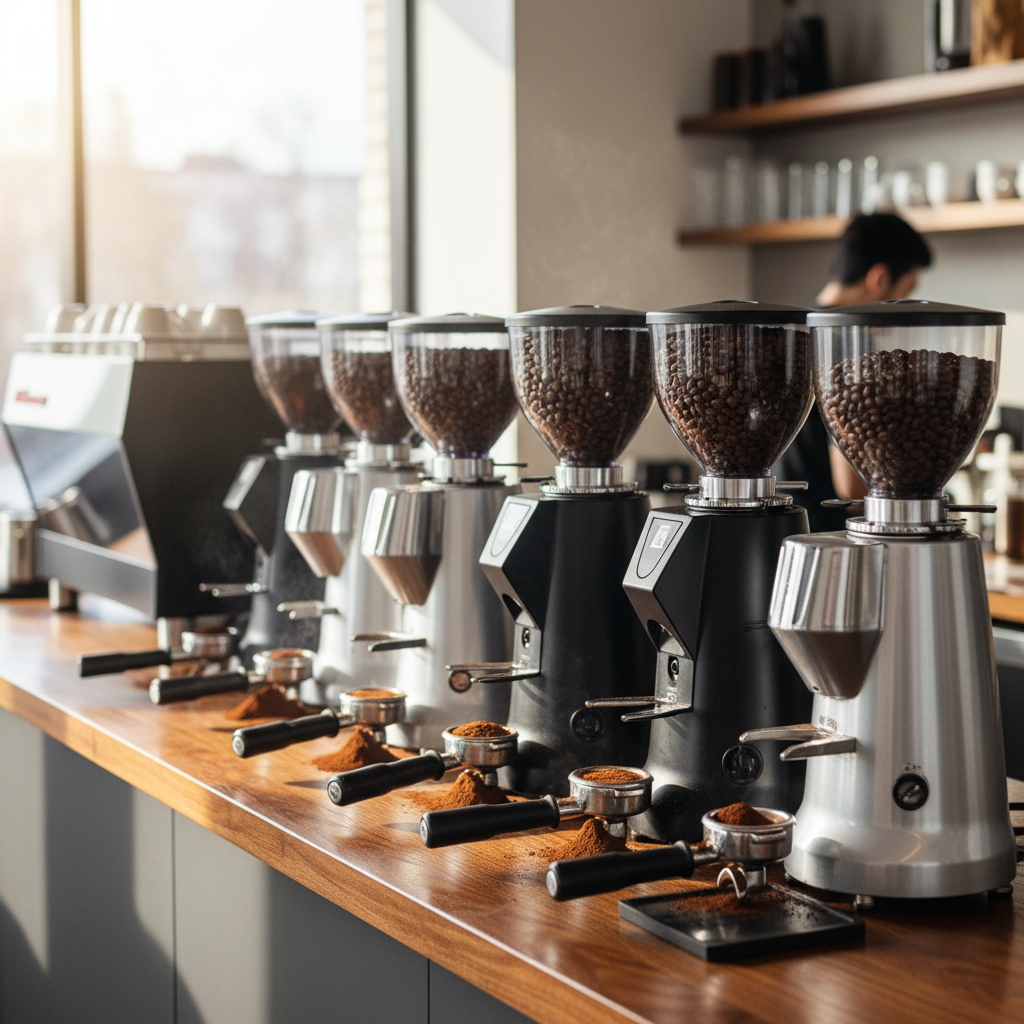
Industry expert Dr. Emily H. Brewster, a renowned coffee technologist, states, "A reliable Commercial Espresso Grinder is not just an accessory; it's a fundamental building block in the pursuit of coffee perfection." This emphasizes the necessity of investing in quality grinding equipment that aligns with a café's specific needs. As we explore the top contenders in the realm of Commercial Espresso Grinders, it becomes evident that these machines are more than mere tools; they are essential partners in crafting the perfect espresso. With performance, consistency, and durability at the forefront, our curated list showcases the best options available to help you elevate your coffee experience.
Top 10 Commercial Espresso Grinders for Achieving Consistency and Quality in Coffee Preparation
When it comes to crafting the perfect espresso, consistency and quality are paramount. According to a report by the Specialty Coffee Association, nearly 70% of coffee professionals emphasize the importance of using high-quality grinders to achieve optimal extraction. Commercial espresso grinders play a crucial role in delivering a uniform grind size, which directly affects the flavor profile of the coffee.
Models such as the Mahlkonig EK43 and the Baratza Sette 270Wi are revered in the industry for their precision and reliability. The EK43’s flat burrs can produce a consistent grind for various brewing methods, making it versatile for many café environments.
Moreover, the speed and efficiency of these grinders cannot be overlooked. Studies show that grinders capable of high throughput without overheating the beans maintain the essential oils and flavors necessary for a rich cup of espresso.
For instance, the Nuova Simonelli Mythos One boasts a groundbreaking cooling system, which protects the coffee's integrity while grinding at high volumes. As businesses face increasing demand for quality coffee, investing in top-tier equipment is now more critical than ever to ensure that every cup delivers on the promise of exceptional taste and consistency.
Understanding Different Burr Types: Flat vs. Conical Burrs in Espresso Grinding
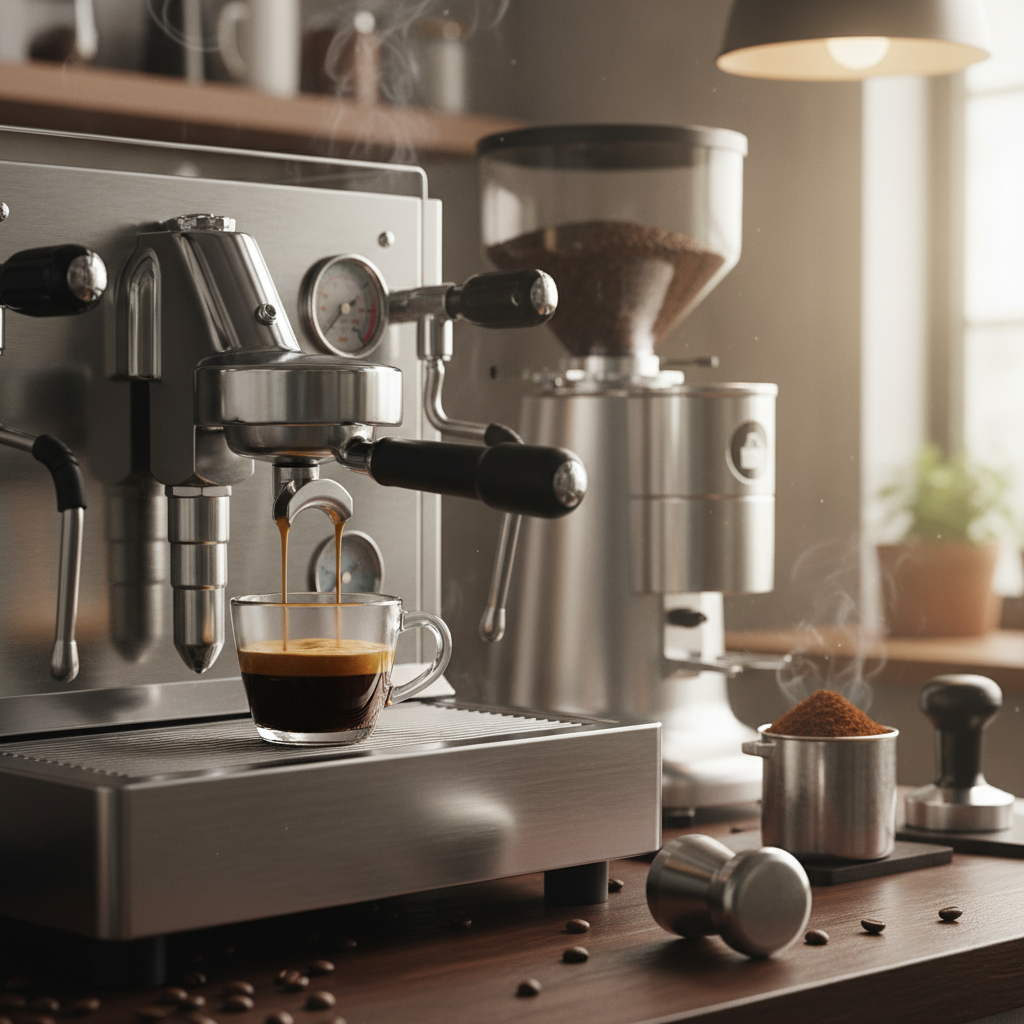
When it comes to brewing the perfect espresso, the choice of grinder plays a pivotal role, particularly the type of burrs used. There are two main types of burrs: flat and conical, each offering distinct benefits and effects on the final brew.
Flat burrs are known for their consistency in grind size, producing uniform particles that can lead to a balanced extraction. This uniformity aids in replicating the ideal espresso shot, making flat burr grinders popular among coffee enthusiasts and professionals alike.
On the other hand, conical burrs present a different approach, often favored for their ability to handle a wide range of grind sizes efficiently. Their design allows for a quieter operation and a minimal retention of coffee grounds, leading to fresher extracts. Conical burrs can enhance the flavor profile of the espresso, as they tend to produce a broader range of particle sizes, which can bring out the complexities in the coffee beans.
Understanding these differences is crucial for anyone seeking to elevate their coffee-making skills and achieve that perfect shot of espresso every time.
Key Features to Look for in a Commercial Espresso Grinder: Speed, Power, and Design
When selecting a commercial espresso grinder, three key features play a crucial role in ensuring you achieve the perfect coffee extraction:
speed,
power, and
design.
Speed is paramount in a busy café setting where high customer turnover demands quick grinding times.
An efficient grinder with powerful motors can drastically reduce wait times, allowing baristas to focus more on crafting beverages and providing excellent service.
Power complements speed by ensuring consistent performance throughout the grind cycle.
A robust motor not only increases efficiency but also provides a higher level of durability for commercial use.
This is essential because a grinder must endure continuous operation without compromising the quality of the grind.
Additionally, a grinder with adjustable settings allows baristas to tailor the grind size for different coffee beans, enhancing the flavor profile of the espresso.
Finally, the design of the grinder should not be overlooked.
A well-thought-out design enhances usability and maintenance.
Features such as easy access to the grinding burrs for cleaning and a compact footprint can significantly improve workspace efficiency.
Moreover, aesthetics play a part in a café's overall ambiance, making it important to choose a grinder that complements the establishment's style while delivering exceptional performance.
The Importance of Grind Size Control: Ensuring the Perfect Espresso Extraction
When it comes to brewing the perfect espresso, the grind size is crucial. This is because the extraction process relies heavily on how fine or coarse the coffee grounds are. A consistent grind size ensures that water flows evenly through the coffee, maximizing flavor and aroma. If the grind is too fine, it may result in over-extraction, leading to a bitter taste. Conversely, too coarse a grind can cause under-extraction, resulting in a weak and sour brew. Therefore, the ability to control grind size is essential for any espresso enthusiast.
**Tip:** Invest in a high-quality commercial espresso grinder that offers precision and consistency in grind size adjustments. Look for models with a wide range of settings, allowing you to easily switch between different coffee beans and recipes.
Choosing the right espresso grinder not only improves the quality of your coffee but also enhances your brewing efficiency. A good grinder should minimize retention, preventing old grounds from mingling with fresh ones, which can affect flavor. Regularly calibrating your grinder helps maintain optimal performance, ensuring each cup of espresso meets your standards.
**Tip:** Clean your grinder regularly to remove any coffee oils and particles that can accumulate, impacting the taste of your coffee. A quick weekly maintenance routine can make a significant difference in the quality of your espresso.
Grind Size Distribution for Espresso - 10 Best Commercial Espresso Grinders
Maintenance Tips for Longevity: Keeping Your Commercial Grinder in Top Condition

When investing in a commercial espresso grinder, understanding maintenance tips for longevity is crucial. According to the Specialty Coffee Association, regular cleaning and maintenance can significantly enhance a grinder's lifespan, which often averages around seven years with proper care. Follow a cleaning schedule that includes daily removal of coffee dust and oils, as these residues can affect not only the taste of your coffee but also the functioning of the grinder. A study highlighted in the Journal of Coffee Research suggests that grinders that are cleaned regularly show a 20% increase in consistency in grind size, essential for producing high-quality espresso.
In addition to regular cleaning, it's vital to monitor the burrs of the grinder. The same research indicates that burrs should be replaced every six months to a year, depending on usage. Dull burrs can compromise the extraction process, leading to subpar coffee. Furthermore, maintaining the grinder's calibration and checking for any misalignments can prevent unnecessary wear and ensure optimal performance. Investing in quality maintenance tools and training staff on proper usage can lead to significant long-term savings and enhanced coffee quality, maximizing the investment in these essential machines.