2026 Top Mini Coffee Grinder Reviews and Buying Guide?
In the world of coffee lovers, the importance of a good grind cannot be understated. A trusted expert in the industry, Jonathan Brewster, once said, “The right grind makes all the difference in flavor.” When it comes to choosing a Mini Coffee Grinder, many factors come into play.
A Mini Coffee Grinder combines convenience and functionality. These compact devices fit easily on any countertop, perfect for small kitchens. Many users still overlook how crucial grind size is. It affects brewing time and flavor extraction. A poor grind can ruin an otherwise perfect cup of coffee.
Despite their small size, Mini Coffee Grinders offer powerful performance. However, not all products are created equal. Some may produce uneven grinds, leading to disappointing results. Careful consideration is necessary when selecting a grinder. Read reviews, understand features, and weigh your options. The right choice can elevate your coffee experience to new heights.
Overview of Mini Coffee Grinders: Features and Benefits
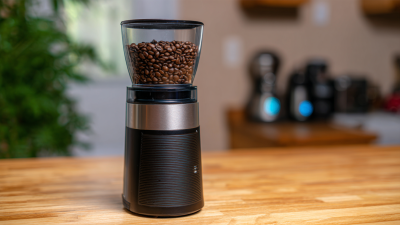
Mini coffee grinders have gained popularity among coffee enthusiasts. They offer unique features and benefits that enhance the coffee experience. Their compact size is a major advantage. You can easily store them in small kitchens. Portability is also a benefit. You can take them on trips or to the office.
These grinders usually provide a consistent grind size, essential for brewing quality coffee. Some models allow you to adjust grind settings easily. This flexibility fosters creativity. You can explore different brewing methods any time. However, not all mini grinders excel in this area. Some might struggle with finer grinds. It’s crucial to test them out, as performance can vary.
Another appealing aspect is the price point. Many mini grinders are affordable, making them accessible. Yet, low-cost options may compromise build quality. Often, users encounter issues with durability. It’s important to read reviews and reflect on your needs. Understand what features matter most to you. Balancing price and performance can be a challenge, but it’s worth the effort.
2026 Top Mini Coffee Grinder Reviews and Buying Guide
| Model |
Grind Settings |
Capacity |
Material |
Price Range |
Benefits |
| Model A |
Coarse, Medium, Fine |
30g |
Stainless Steel |
$20 - $30 |
Compact, Easy to Use |
| Model B |
Coarse, Fine |
40g |
Ceramic |
$25 - $35 |
Durable, Consistent Grind |
| Model C |
Adjustable |
50g |
Plastic |
$15 - $25 |
Lightweight, Versatile |
| Model D |
Fine, Extra Fine |
25g |
Borosilicate Glass |
$30 - $40 |
Aesthetic Design, Heat Resistant |
| Model E |
Coarse, Medium, Fine, Extra Coarse |
60g |
Metal |
$40 - $50 |
High Capacity, Multiple Settings |
Types of Mini Coffee Grinders: Blade vs. Burr
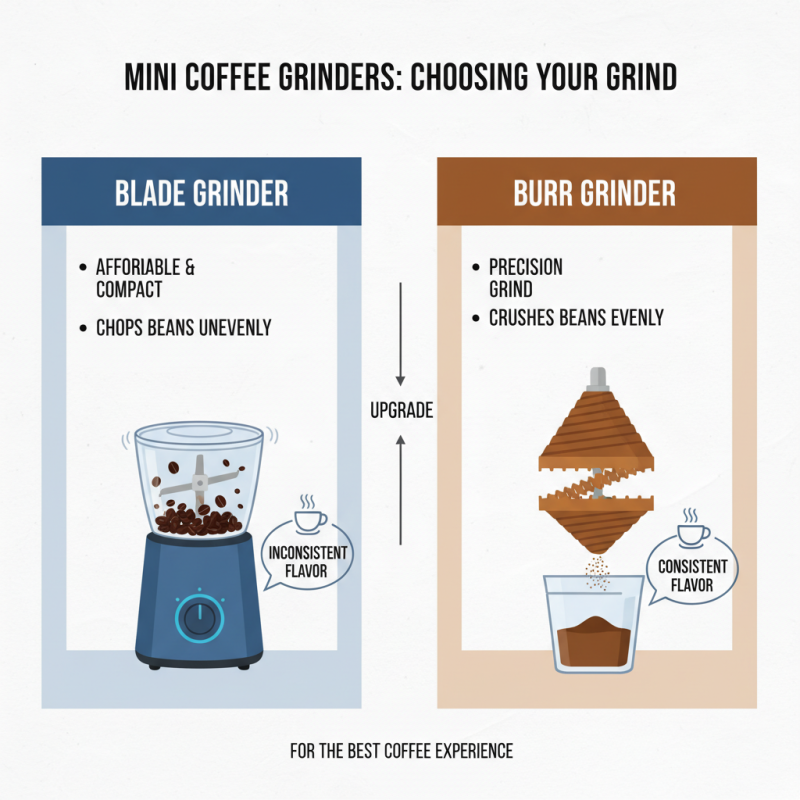
When choosing a mini coffee grinder, you'll encounter two main types: blade grinders and burr grinders. Blade grinders are often affordable and compact. They use sharp blades to chop coffee beans. However, they can produce uneven grinds, affecting the coffee’s flavor. Burr grinders are a more preferred choice for many enthusiasts. They crush beans between two surfaces, providing a consistent grind size. This consistency is crucial for brewing great coffee.
**Tip:** If you opt for a blade grinder, pulse it for short bursts. This technique helps achieve a more uniform grind. Remember, the grind size impacts your brew method. For espresso, a fine grind is essential. For French press, a coarser grind works better.
Consider ease of use and cleaning when choosing a grinder. Some models have removable parts, making them easier to clean. Others might require more effort. It's important to think about how often you'll use it. A lower-quality grinder may save money but could lead to frustration in the long run. Enjoying coffee should not feel like a chore.
**Tip:** Test the grinder before purchasing, if possible. Ensure it fits your needs and preferences.
Key Factors to Consider When Buying a Mini Coffee Grinder
When choosing a mini coffee grinder, key factors play a major role. Grind size options are crucial. A quality grinder should allow for fine to coarse settings. This versatility affects flavor extraction. According to industry reports, coffee brews at optimal taste when grounds are uniform in size. Irregular grinds can result in both bitter and under-extracted flavors.
Another essential point is the grinding mechanism. Blade grinders are often less consistent than burr grinders. Burr grinders produce a uniform grind, which many experts recommend. However, they can be more expensive. A recent study indicates that burred coffee typically tastes 20% better than that from blade models. Consider the material too, as some metals can affect flavor over time.
Ease of cleaning and maintenance is often overlooked. Regularly cleaning your grinder prevents old coffee residue from tainting new brews. Despite knowing this, many users neglect this vital step. Be aware that consistent maintenance improves lifespan and overall performance. Also, portability can be a deciding factor. A lightweight and compact design is ideal for travel, but it might compromise capacity. Finding balance requires careful thought.
Top-Rated Mini Coffee Grinders of 2026: Reviews and Comparisons
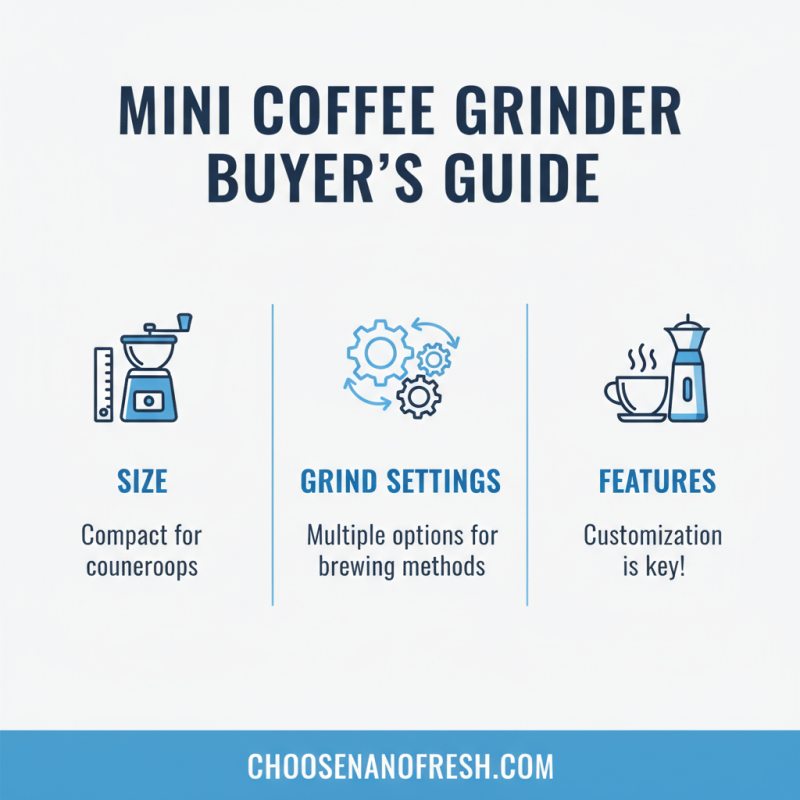
When choosing a mini coffee grinder, understanding features is crucial. Size matters, especially for those with limited kitchen space. A compact grinder can easily fit on your countertop. Consider the grind settings too. Some models offer several options. This allows you to customize your grind for different brewing methods.
Reviews from various users highlight both pros and cons. Many appreciate the ease of use. However, some found certain models inconsistent in grind size. An uneven grind can affect your coffee flavor. Additionally, noise levels vary greatly. Some grinders produce a loud sound, which might be a concern in quiet homes.
Comparing prices is another essential aspect. Mini grinders range from inexpensive to premium models. Low-cost options may lack durability. Higher-priced grinders often offer better performance and longevity. User reviews can be insightful. Look for common themes in feedback, as they reveal valuable performance insights.
Maintenance Tips for Longevity of Mini Coffee Grinders
Caring for your mini coffee grinder can extend its life. Regular cleaning is essential. After each use, empty the grinder. Residual coffee can lead to stale flavors. Use a soft brush to reach crevices. It’s a simple task but often overlooked.
Inspect the grinder frequently. Check the burrs or blades for wear. If they become dull, they won’t produce a consistent grind. This can affect the taste of your coffee. Replace parts as needed to maintain performance. It’s frustrating to deal with inconsistent results.
Be mindful of moisture. Coffee beans should be stored in a dry place. Even a slight dampness can affect the grinder. When storing your grinder, keep it covered to prevent dust buildup. Remember, neglecting these steps can lead to costly replacements down the line. Taking small steps can mean a big difference.
2026 Mini Coffee Grinder Performance Comparison