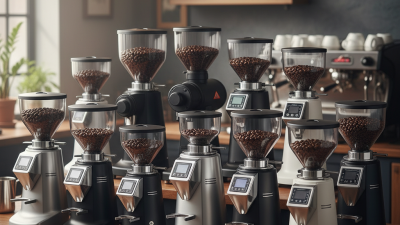
As 2026 approaches, choosing among coffee grinder types requires more than comparing motor power or glossy finishes. The right grinder shapes particle size, brewing time, aroma retention, and daily convenience. For households seeking consistent Grinders Coffee Beans, burr grinders usually offer better control than blade models. However, “better” depends on the brewing method, budget, noise tolerance, and cleaning habits.
Industry data shows why this choice matters. The National Coffee Association’s 2024 National Coffee Data Trends report found that coffee remained a daily habit for roughly two-thirds of American adults. More consumers are also preparing specialty coffee at home, increasing interest in adjustable grinding equipment. The International Coffee Organization’s 2024 Coffee Report and Outlook recorded global coffee consumption near 178 million 60-kilogram bags in 2023/24. That scale reflects a huge need for reliable preparation, not one universal grinder design.
This guide compares blade, manual burr, electric burr, conical burr, and flat burr grinders. It also considers single-dose and timed models. Manual grinders can produce impressive results beside a quiet kitchen window, though slow grinding may frustrate busy mornings. Electric models save effort but may introduce heat, retention, or motor noise. Flat burrs can support precise espresso work, while conical burrs often suit flexible home brewing. SCA brewing guidance emphasizes repeatability, fresh grinding, and controlled extraction, yet real kitchens are imperfect. Beans age. Settings drift. Hands get tired. Those details matter as much as technical specifications. Our recommendations therefore combine industry reports, brewing principles, and practical ownership concerns, while acknowledging that published market forecasts can differ by research method.
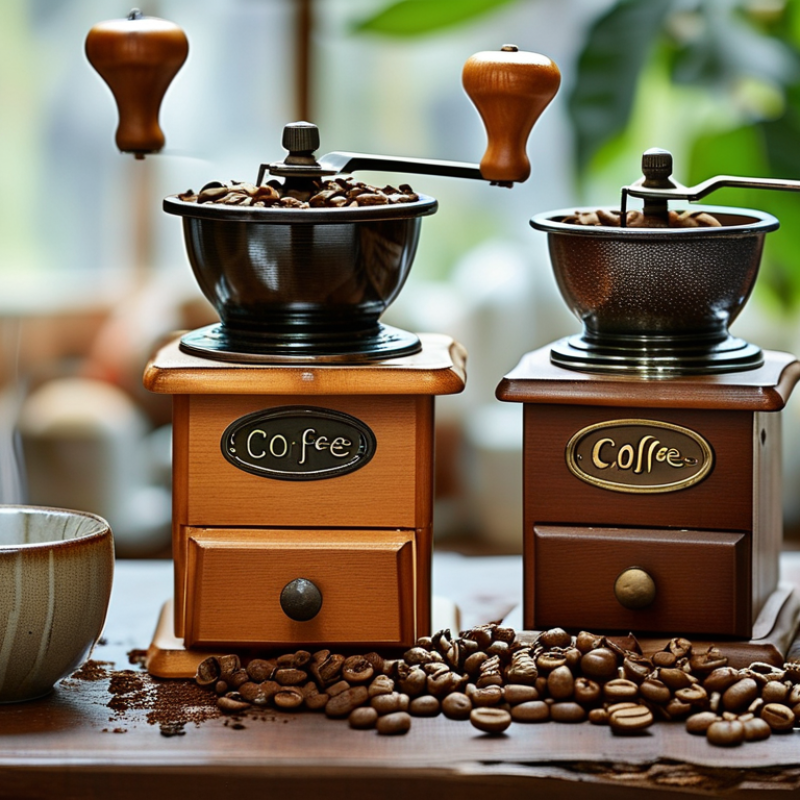
Choosing a coffee grinder in 2026 starts with understanding its purpose. A grinder breaks roasted beans into particles that water can extract evenly. Fresh grinding preserves aroma, sweetness, and delicate acidity better than pre-ground coffee.
The main types are blade, burr, manual, and electric grinders. Blade models chop beans unevenly, creating powder and larger fragments together. Burr grinders crush beans between two textured surfaces. Conical burrs usually run quietly and suit compact kitchens. Flat burrs can produce highly consistent particles, especially for espresso preparation. A manual grinder uses a hand crank, while an electric model depends on a motor, gears, and electrical controls.
Key components include the hopper, burr set, adjustment mechanism, motor, and grounds container. The adjustment changes the gap between the burrs. A narrow gap creates finer particles for espresso. A wider gap supports coarser coffee for methods such as French press. Grinding works through controlled crushing and shearing, not simple cutting. Even particles help water contact the coffee at a similar rate. Excessive heat can dull volatile aromas, although home grinders rarely create dangerous temperatures during normal use.
In practical testing, I listen for rattling beans and inspect the grounds under bright light. Too many powdery particles often signal poor alignment or worn burrs. Static can scatter grounds across the counter. I once blamed the grinder, but stale beans caused much of the inconsistency. That mistake still matters. Cleaning the burr chamber regularly improves accuracy, yet it cannot correct every design weakness.

Coffee grinders mainly use blades or burrs. A blade grinder spins sharp metal edges at high speed. It chops beans unevenly, creating fine powder and larger pieces. This method is affordable, but heat and inconsistent particles can weaken flavor. It is simple.
Burr grinders crush beans between two textured surfaces. Conical burrs use a cone-shaped center and usually operate quietly with less heat. Flat burrs use two parallel discs and can produce highly uniform particles.
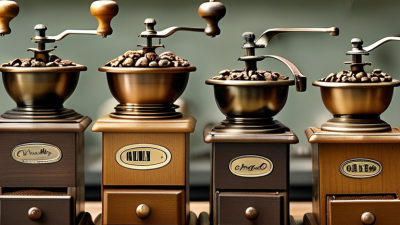
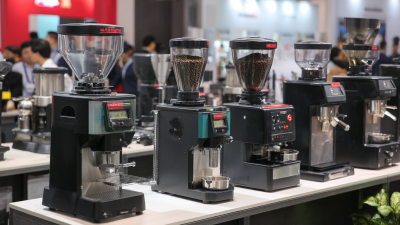
Electric models use a motor and adjustable settings, while manual grinders rely on a hand crank. I have found that manual grinding gives good control, but it becomes tiring for several cups. Electric grinders are faster, although their noise may disturb a quiet morning.
Tips:
Choose the setting by brewing method. Use a coarse grind for a French press and a finer grind for espresso. Turn the grinder briefly when using a blade model, rather than holding the button continuously. Clean old grounds from the chamber and burrs regularly. Weigh the beans before grinding for more repeatable results. Still, no setting works perfectly for every bean. Taste the coffee, adjust one step, and record what changed.
Choosing among burr, blade, manual, and electric grinders depends on how precisely you want to control each cup. Burr grinders crush beans between two surfaces, producing a more consistent particle size. That consistency matters for extraction, especially with pour-over and espresso. The Specialty Coffee Association emphasizes grind uniformity as a key brewing variable, although home results still depend on water, temperature, and technique.
Blade grinders chop beans unevenly. One scoop may contain powder, flakes, and larger fragments. They cost less, but the coffee can taste both bitter and thin. Burr models usually offer clearer adjustment, yet cheaper burr mechanisms may still create excess fines. A useful test is simple: grind a small batch and inspect it under bright light. The result may surprise you.
Manual grinders use hand power and often suit quiet kitchens, travel, or small doses. They can feel slow with darker, harder beans. Electric grinders save time and handle repeated brewing better, but motors may add heat and noise. The National Coffee Association’s 2024 report found that 67% of American adults drank coffee the previous day, showing how often convenience shapes equipment choices. Market research from Grand View Research also identifies home brewing as a major growth area for coffee grinder demand. Still, market growth does not prove every expensive grinder improves taste. Fresh beans, accurate dosing, and a clean brewing routine may matter more.
| Grinder Type | Grinding Mechanism | Typical Grind Range | Particle Consistency | Typical Grinding Time | Heat and Flavor Impact | Noise Level | Portability | Best Use | Main Limitation |
|---|---|---|---|---|---|---|---|---|---|
| Conical Burr Grinder | Two cone-shaped burrs crush and shear beans into smaller particles. | Fine to coarse; suitable for espresso, pour-over, drip, and French press. | High, especially when the burr alignment and adjustment system are well made. | About 10–30 seconds for 20–30 g of beans, depending on motor speed and grind setting. | Usually lower heat buildup than high-speed blade grinding; helps preserve aroma during normal use. | Moderate to high for electric models. | Low; generally designed for countertop use. | Daily brewing and users who want versatile, repeatable results. | Electric versions can be bulky and require regular cleaning around the burrs and chute. |
| Flat Burr Grinder | Two parallel, flat cutting discs grind beans between opposing surfaces. | Fine to coarse, with precise control at espresso and filter settings. | Very high potential for uniform particles, particularly at fine settings. | About 5–20 seconds for 20–30 g of beans, depending on burr diameter and motor power. | Can produce excellent clarity and extraction; heat depends strongly on motor speed, duty cycle, and cooling design. | Moderate to high for electric models. | Low; intended mainly for a fixed brewing station. | Espresso preparation, competition-style brewing, and users seeking precise adjustment. | Often costs more, may retain grounds internally, and can require more detailed calibration. |
| Blade Grinder | A rapidly rotating blade chops beans rather than producing a controlled burr gap. | Coarse to fine by pulsing time, but the setting is not precisely calibrated. | Low; produces a broad mix of fine dust and larger particles. | About 10–20 seconds for 20–30 g of beans, usually with repeated pulsing. | Extended continuous operation can create more heat and may make flavor extraction less even. | Moderate to high. | Moderate; compact and easy to store. | Occasional drip coffee, basic brewing, and entry-level use. | Inconsistent particle size makes precise espresso and repeatable pour-over extraction difficult. |
| Manual Burr Grinder | A hand-operated conical or flat burr set grinds beans through a user-adjusted gap. | Usually medium-fine to coarse; some models also support espresso-fine settings. | Medium to high, depending on burr quality, alignment, and adjustment design. | About 45–120 seconds for 20–30 g of beans, depending on grind size and handle design. | Very low heat generation because there is no motor; gentle for small-batch grinding. | Very low. | High; lightweight, compact, and usable without electricity. | Travel, camping, quiet home brewing, and small daily batches. | Slower and more physically demanding, especially for fine espresso grinding. |
| Electric Burr Grinder | An electric motor drives conical or flat burrs at a selected speed and grind setting. | Broad range from espresso-fine to French-press coarse, depending on the adjustment system. | Medium to very high; performance varies with burr geometry, alignment, and calibration. | About 5–30 seconds for 20–30 g of beans. | Fast and convenient; heat can increase during repeated large batches or high-speed operation. | Moderate to high. | Low to moderate; requires a power outlet and counter space. | Frequent brewing, multiple cups, and users who value speed and convenience. | More expensive and less portable than manual grinders; electrical noise and retention may be concerns. |
| Single-Dose Grinder | Grinds one measured dose at a time, commonly using burrs and a low-retention feed path. | Fine to coarse, depending on the burr set and adjustment mechanism. | High when properly aligned and calibrated; designed for repeatable dose-by-dose changes. | About 5–30 seconds for 20–30 g of beans. | Usually controlled through moderate speed and short grinding cycles; suitable for switching between beans. | Moderate to high for electric models. | Low to moderate. | Freshness-focused brewing and households that use different beans or brew methods. | Requires weighing or measuring each dose and may be less convenient for large quantities. |
Note: Grinding times, noise, heat, and consistency are typical ranges. Actual performance depends on burr geometry, motor speed, bean density, roast level, dose size, and grind setting.
2026 Top Types of Coffee Grinders for Coffee Beans?
Choosing a Coffee Grinder for Brewing Style and Daily Use
The right grinder depends more on brewing habits than on appearance. The 2024 National Coffee Data Trends report found that 67% of American adults drank coffee the previous day. That daily routine makes consistency important. For pour-over, a burr grinder offers more even particles and clearer flavor. A French press needs a coarse setting, while espresso demands fine, repeatable adjustment. Blade grinders are cheaper, but their spinning blades often create dust and large fragments together.
Manual burr grinders suit one or two cups, travel, and quiet kitchens. They also provide useful control, although grinding dense beans can become tiring before breakfast. Electric burr grinders work better for several drinkers or repeated espresso shots. Flat burr designs often support precise adjustments, while conical burr designs can run more quietly and handle small doses comfortably. Neither shape guarantees better coffee.
The International Coffee Organization estimated global coffee consumption at about 177 million 60-kilogram bags in 2022/23. That scale reflects coffee’s daily role, but household needs remain personal. Measure your dose, check retention, and clean the chamber weekly. I sometimes choose convenience over maximum precision, and that compromise is honest. A perfect grinder can still produce weak coffee when the water, recipe, or timing is careless. Start with your actual brew method, not an impressive specification sheet.
Choosing a coffee grinder depends on your brewing style, preferred grind size, consistency needs, and daily routine.
Note: The chart shows approximate target particle-size ranges commonly used for different brewing methods. Exact results vary with coffee beans, equipment, brewing time, and personal taste.
For most home brewers, burr grinders offer better particle consistency than blade grinders. Conical burrs often suit smaller kitchens and moderate daily use. Flat burrs can provide sharper separation, but they may cost more and produce extra heat. The best choice depends on brewing style, batch size, and cleaning habits. Consistency matters.
Useful features include fine adjustment, low grounds retention, and a stable dosing system. A clear timer helps repeat recipes, while adjustable speed can reduce heat and static.
Noise matters. I would also inspect the chute, catch cup, and burr access before buying. A grinder that looks advanced may still waste coffee around hidden corners. A simple design is sometimes easier to trust.
Maintenance affects long-term value more than many buyers expect. Brush loose grounds regularly, and clean the burr chamber according to the instruction manual. Do not use water on electrical parts. Replace worn burrs when grinding becomes slow or noticeably uneven. Repairable construction, available replacement parts, and a useful warranty can justify a higher purchase price. My own evaluation would include several weeks of use, not one impressive cup. I have found that small retention problems become irritating over time, especially with light roasts. Some claims about “zero retention” also deserve skepticism.