Best Coffee Bean Grinder for Perfect Brews?
Finding the perfect coffee bean grinder is essential for coffee enthusiasts. A high-quality grinder can elevate your brewing experience. Many overlook the importance of grind size and consistency. These factors influence flavor extraction significantly.
It's easy to get lost in the options. Some grinders promise the best results but fail to deliver. You might find yourself frustrated after a few tries. Some grinders can be noisy and cumbersome, which can deter your morning ritual.
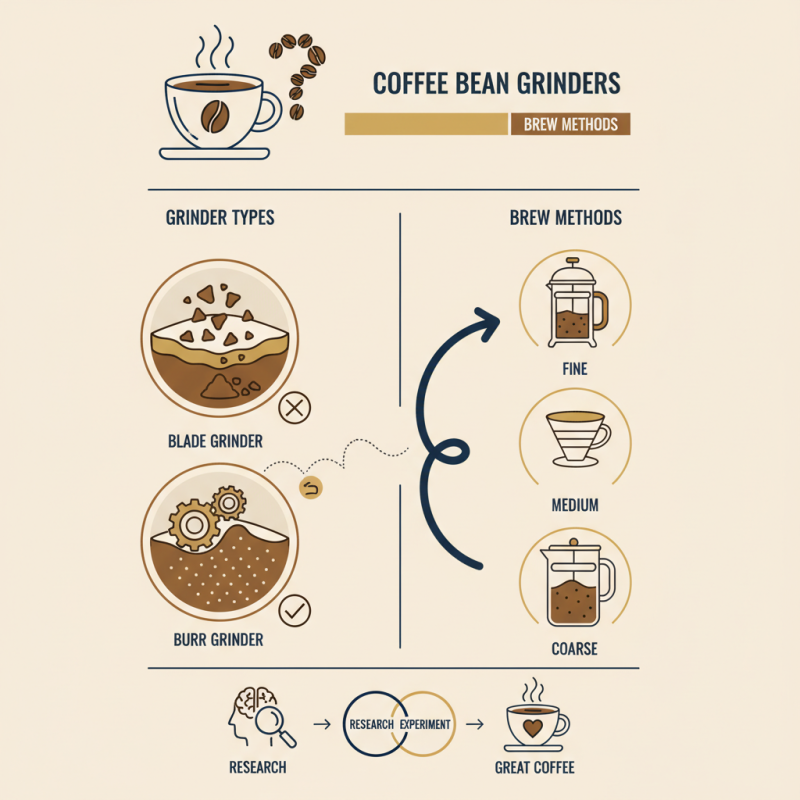
Each type of coffee bean grinder has its pros and cons. Blade grinders are affordable but often uneven. Burr grinders, on the other hand, offer precision but can be pricey. When choosing a coffee bean grinder, it’s vital to consider your brewing method and personal preferences. Making the right choice may require some research and experimentation. After all, great coffee is worth the effort.
Understanding the Importance of Coffee Bean Grinding for Flavor
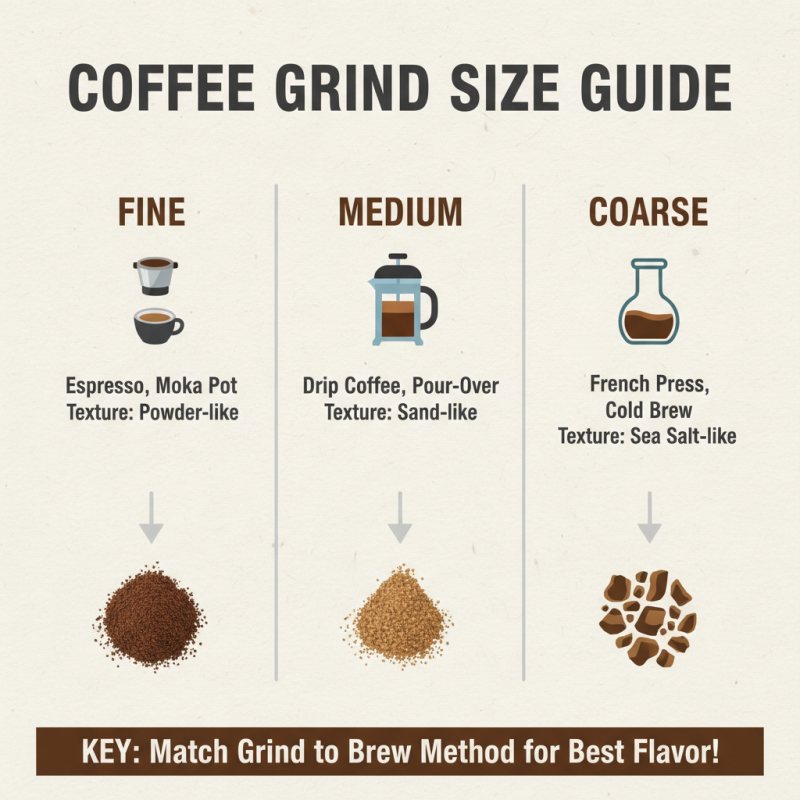
Grinding coffee beans is crucial for unlocking flavor. The right grind can enhance your coffee experience. Each method requires different grind sizes. A coarse grind works well for French presses, while a fine grind is ideal for espresso. When beans are unevenly ground, it can lead to bitter or sour notes in the cup.
To achieve the best flavor, consider the grind time. Over-grinding can create heat, changing the taste of the beans. Conversely, under-grinding might result in weak coffee. It's a delicate balance. Experimenting with grind settings can reveal a spectrum of flavors. Sometimes, what feels right may not work for everyone.
Freshness matters too. Ground coffee loses flavor quickly. Always grind just before brewing. This way, you capture the oils and aromas at their peak. Yet, people often forget this step in their routine. Committing to the process of grinding can elevate your brewing game. It’s a part of the journey, not just the result.
Impact of Grind Size on Coffee Flavor
Types of Coffee Bean Grinders: Blade vs. Burr
When it comes to coffee bean grinders, two main types stand out:
blade grinders and
burr grinders.
Blade grinders use sharp blades to chop the beans. They can be found in many kitchens.
However, they often produce uneven particle sizes. This inconsistency can lead to a less-than-perfect brew.
If you want a rich flavor, this might not be the best choice.
On the other hand, burr grinders employ two revolving abrasive surfaces to crush the beans evenly.
This method offers a uniform grind size. Many coffee enthusiasts prefer burr grinders for their control over the grind.
However, not all burr grinders are created equal. Some can be too coarse or too fine, which affects the taste.
Selecting the right grind size is crucial
and can require some experimentation.
Consider your brewing method when choosing a grinder. A finer grind benefits espresso, while a coarser grind is ideal for French press.
If you’re not careful, a mismatched grind may ruin your experience.
Take your time to explore different grinders. Finding the right one can require reflection and adjustments.
Key Features to Look for in a Coffee Bean Grinder
When choosing a coffee bean grinder, several key features are essential. The grind size adjustment is crucial. A precise grinder allows for various brewing methods. According to a report by the Specialty Coffee Association, inconsistent grind size can alter extraction and flavor. Many baristas recommend having at least 10 settings to cater to different brewing styles.
Another feature to consider is the burr type. Burr grinders are often preferred for their uniform grind compared to blade grinders. This is backed by data from a coffee research study showing that uniformity affects the taste significantly. If you want a balanced cup, investing in a good burr grinder is wise.
Durability and ease of cleaning also matter. Grinding coffee releases oils that can build up over time. Regular cleaning ensures fresh flavors. Reports indicate that neglecting maintenance can lead to rancid coffee. Such oversight can be a major hurdle for achieving the perfect brew.
Tips for Achieving the Perfect Grind Size for Different Brews
Achieving the perfect grind size is crucial for your coffee. Different brewing methods require distinct grind sizes. For example, espresso needs a fine grind. A coarse grind is best for French press. If you use the wrong size, your coffee may taste weak or overly bitter.
The grind size affects the extraction process. A fine grind exposes more surface area. This leads to faster extraction, ideal for espresso. On the other hand, a coarse grind slows down extraction. This can result in a more balanced flavor. However, not all grinders produce consistent sizes. You might find clumps or uneven particles in your brew.
Experimenting with your grinder can be eye-opening. Pay attention to how different sizes impact flavor. Don't be afraid to adjust based on your taste preferences. It’s a learning curve, and your ideal grind might change over time. Reflect on your past brews; what did you enjoy? What could be improved? Embrace the imperfections and enjoy the process.
Maintenance and Care for Your Coffee Bean Grinder
Proper maintenance of your coffee bean grinder is crucial for achieving perfect brews. According to industry reports, a well-maintained grinder can enhance flavor extraction by up to 25%. Regular cleaning helps to ensure your grinder operates effectively. Residue buildup can cause off-flavors and affect grind consistency. It's essential to clean both the burrs and the hopper regularly to maintain optimal performance.
Tips: Use a brush or a cloth to remove coffee dust and oils after each use. This simple act can significantly improve your coffee's taste. For deeper cleaning, disassemble your grinder according to manufacturer instructions once a month. Pay attention to any worn parts; they can degrade performance over time.
Grinding coffee beans should be an enjoyable ritual, but neglecting your grinder can lead to frustration. Many people overlook the importance of proper storage for their beans. Storing beans in an airtight container prevents moisture and light from altering their flavor profile. A surprising number of coffee lovers underestimate how stale beans can ruin a perfect grind. Remember, freshness is key.