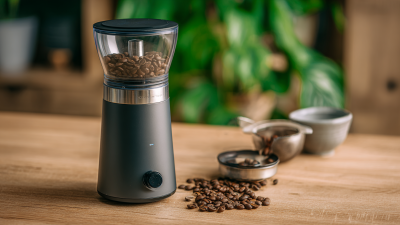
Best Coffee Bean Grinder for Perfect Brews Every Time?
When it comes to brewing the perfect cup of coffee, the role of a quality Coffee Bean Grinder is often underestimated. Renowned coffee expert James Hoffmann once stated, "Freshly ground coffee is essential for a great brew." This truth resonates deeply within the coffee community. A reliable grinder ensures that coffee enthusiasts can extract the most flavors from their favorite beans.
Choosing the right Coffee Bean Grinder involves understanding the different types available. Blade grinders offer convenience but often sacrifice uniformity. Burr grinders, on the other hand, provide consistency, releasing oils that enhance aroma and taste. However, even the best grinder can falter without proper maintenance. Regular cleaning prevents oils from building up, which can affect flavor.
Consider, too, the grind size. It can make or break your coffee experience. A too-fine grind can lead to bitterness, while coarse grounds may result in a sour taste. Hence, finding the optimal balance is key. Reflect on how your current grinder performs. Are you consistently achieving your desired brew? If not, it might be time to evaluate your tools in pursuit of coffee perfection.
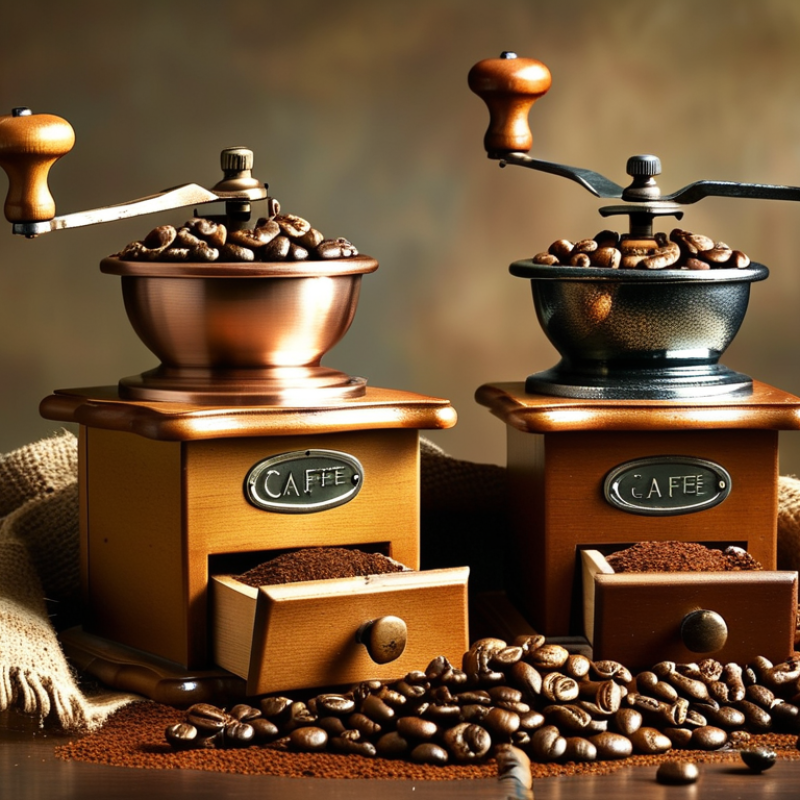
Understanding the Importance of Freshly Ground Coffee Beans
Freshly ground coffee beans significantly impact your brewing experience. Grinding coffee just before brewing releases essential oils and aromas. These compounds deliver a rich, vibrant flavor that pre-ground beans cannot replicate. The difference between a mediocre cup and an exceptional one lies in the grind, showcasing why you should embrace this practice.
When choosing a grinder, consider the grind size for your method. A French press needs a coarse grind, while espresso requires a fine grind. A consistent grind size enables even extraction and enhances the flavor profile. Experiment with different grind sizes to find your perfect cup, as personal preferences can vary greatly.
Tip: Always clean your grinder after each use. Old coffee residues can lead to undesirable flavors in your brew. Keep your grinder dry to avoid clumping and maintain freshness. Reflect on your grinding habits and consider adjustments for better taste. Small changes can lead to significant improvements in your coffee experience.
Types of Coffee Grinders: Blade vs. Burr Grinders
When diving into the world of coffee grinders, the two main types emerge:
blade grinders and
burr grinders.
Blade grinders use sharp blades that spin at high speeds.
They chop the beans quickly, resulting in uneven grind sizes.
This inconsistency can affect your brew significantly.
If you prefer a rich flavor, this may not be the best choice.
Burr grinders, on the other hand, utilize two revolving surfaces to crush the beans.
This method produces a uniform grind, essential for optimal extraction.
Plus, burr grinders allow you to adjust the grind size,
catering to different brewing methods.
However, they can be more expensive and might require more maintenance.
A clean grinder ensures better flavor.
Choosing between blade and burr grinders is not straightforward. Each type has its pros and cons.
Blade grinders are often more affordable,
but the quality can be hit or miss.
Burr grinders provide superior consistency, yet they come with a higher price tag.
Reflecting on your coffee journey may help in making the right choice.
Key Features to Look for in a Coffee Bean Grinder
When selecting a coffee bean grinder, several key features are crucial.
Burr grinders are generally preferred over blade grinders for their consistent grind size.
A consistent grind ensures even extraction, leading to better tasting coffee.
Look for models that offer adjustable settings. This flexibility allows you to customize the grind according to your brewing method.
A finer grind is ideal for espresso, while a coarser one suits French press.
Another important feature to consider is the capacity.
A grinder that holds more beans can be more convenient, especially for larger households.
However, bigger isn't always better if freshness is a priority. Grinding in small batches may retain more flavor.
Also, pay attention to the materials used.
Stainless steel is durable and easy to clean.
Some grinders can accumulate oils and residues, which can impact flavor over time.
A detachable grind chamber simplifies cleaning, which is often overlooked.
Lastly, noise levels can be an issue. Some grinders operate quietly while others are quite loud.
If noise is a concern, read reviews to gauge this aspect.
The design should also align with your kitchen aesthetics, even if it doesn't affect performance.
Investing in a quality grinder is important, but it should fit your lifestyle.
There’s always room to improve your coffee experience.
Each brew can teach you something new about your preferences.
How Grind Size Affects Coffee Flavor and Brewing Methods
The grind size of coffee beans significantly impacts the flavor and the overall brewing experience. Each brewing method requires a specific grind size to achieve the best extraction. For instance, a fine grind works well for espresso, producing a rich and intense shot. Conversely, a coarse grind is better for methods like French press, allowing for a smoother taste.
Many coffee enthusiasts overlook the importance of consistency in grind size. Inconsistent particles lead to uneven extraction. Some bits may become over-extracted, resulting in a bitter taste, while others may be under-extracted, yielding a sour flavor. This imbalance can diminish the overall pleasure of your cup. Even with the right grinder, achieving the perfect grind can be challenging.
Brewers often experiment with different grind sizes. Yet, not all methods yield satisfactory results. It’s essential to assess your water temperature, brewing time, and personal taste preferences. Relying on a general guideline without testing might lead to disappointment. The journey to perfecting your brew is ongoing, and each cup presents a new opportunity to refine your technique. The quest for the ideal grind remains a fascinating part of coffee culture.
Maintenance Tips for Longevity of Your Coffee Grinder
Cleaning your coffee grinder regularly is crucial for longevity. Coffee oils can build up and affect flavor. Use a soft brush to remove residue. A damp cloth can help, but avoid excess moisture. Regular cleaning ensures a consistent grind and fresh-tasting coffee.
You might overlook the burrs. These important components grind your beans evenly. Check for wear and tear frequently. Consider replacing them if you notice any irregularities. A sharp burr produces a better extraction, enhancing your brewing experience.
Storage also plays a role. Keep your grinder in a cool, dry place. Avoid humidity, as it can damage internal parts. Some people forget this simple tip, leading to poor performance. Proper care maintains quality and flavor for every brew.