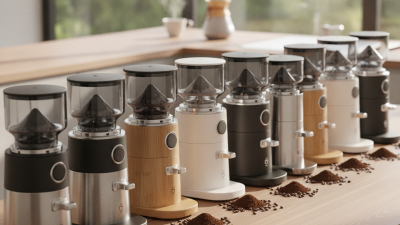
What is the Best Commercial Coffee Grinder for Your Business?
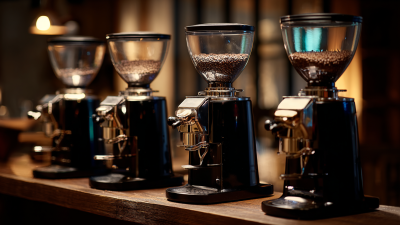
When selecting the ideal Commercial Coffee Grinder for your business, it's crucial to consider various factors. A high-quality grinder can make a significant difference in flavor and consistency, impacting customer satisfaction. The right equipment can elevate your coffee offerings and enhance your brand's reputation.
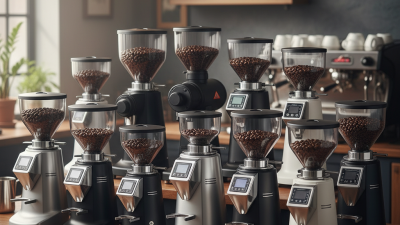
Many business owners underestimate the importance of grind size. A consistent grind is essential for both espresso and brewed coffee. Different brewing methods require different grind textures, which can complicate choices. The market offers a range of models, but not all are created equal. Some brands are known for reliability and performance, while others may leave you dissatisfied.
Investing in a top-notch Commercial Coffee Grinder demonstrates commitment to quality. But, it’s essential to reflect on your specific needs. Consider your business size and volume. Will a single grinder suffice, or will multiple units be necessary? Balancing cost and capability can be challenging. A thoughtful decision today can lead to a robust coffee program and happier customers in the long run.
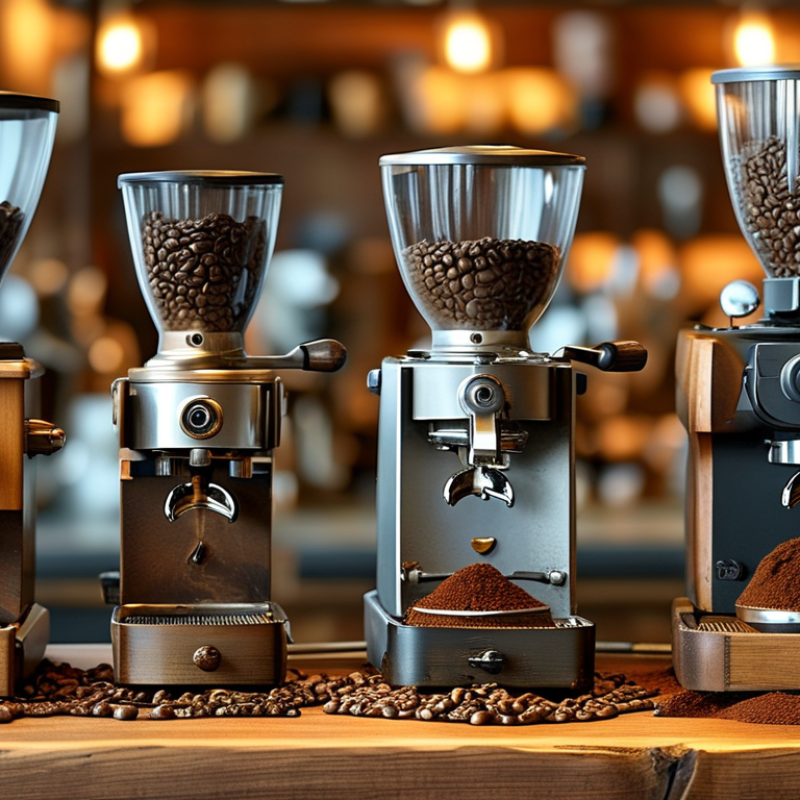
Understanding Commercial Coffee Grinder Types and Their Applications
When selecting a commercial coffee grinder, understanding the different types and their applications is crucial. There are two main types: blade grinders and burr grinders. Blade grinders chop coffee beans using sharp blades. They are generally more affordable but can produce uneven grinds. This inconsistency can lead to a variable flavor in your coffee.
Burr grinders, on the other hand, crush the beans between two rough surfaces. They provide a uniform grind size, essential for brewing quality coffee. The adjustable settings allow baristas to fine-tune the coarseness for espresso or drip coffee. However, they come at a higher price point.
Each type serves different needs. Blade grinders are suitable for small cafes with a limited menu. Burr grinders are better suited for upscale shops focused on coffee quality. While both have their place, choosing the right one demands careful consideration of your business's coffee offerings. A little research can go a long way in ensuring customer satisfaction.
What is the Best Commercial Coffee Grinder for Your Business?
| Grinder Type |
Grind Size |
Capacity (kg/hour) |
Applications |
Price Range ($) |
| Flat Burr Grinder |
Fine to Medium |
5-10 |
Espresso, Filter Coffee |
300 - 800 |
| Conical Burr Grinder |
Coarse to Fine |
2-8 |
French Press, Pour-over, Espresso |
200 - 700 |
| Blade Grinder |
Variable |
0.5-2 |
Home Use and Small Cafes |
20 - 60 |
| Commercial Grinder |
Fine to Coarse |
8-20 |
High-Volume Cafes, Roosteries |
500 - 2000 |
Key Features to Look for in a Commercial Coffee Grinder
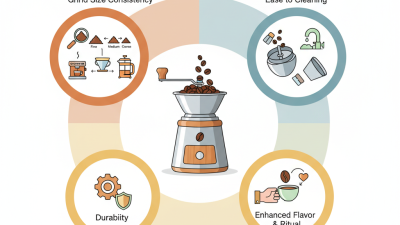
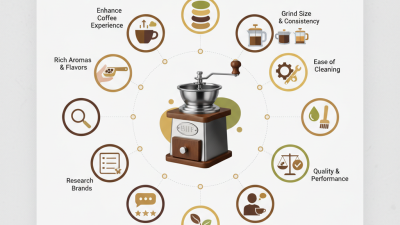
When choosing a commercial coffee grinder, consider its grind consistency. A uniform grind ensures even extraction, leading to better flavor. Look for grinders with various grind settings. These options allow for a range of brewing methods, from espresso to French press.
Another crucial feature is the capacity of the grinder. Depending on your business size, a larger hopper can save you time. However, too much coffee sitting in the hopper can lead to staleness. Regularly monitor the coffee quality to avoid waste. This is especially important during peak hours.
Durability is essential in a busy environment. A grinder might handle heavy usage, but some models can wear out quickly. Check the material and construction quality. Stainless steel burrs tend to last longer than others. Lastly, think about ease of maintenance. A grinder that is easy to clean will ensure optimal performance and longevity. It is worth investing time in learning the best cleaning methods.
Analyzing Grinder Burr Material: Steel vs. Ceramic
When choosing a commercial coffee grinder, burr material plays a crucial role in performance. Steel and ceramic are the two main options available. Steel burrs offer sharper edges and better durability, making them ideal for high-volume settings. They heat up quickly but provide consistent grind sizes, which is vital for brewing quality coffee. Ceramic burrs, on the other hand, provide a cooler grind and can produce finer particles. They tend to dull over time but are less likely to affect flavor extraction.
Tips: Regularly check the burrs for wear. This practice ensures consistent grind size. Consider the environment where the grinder will be used. For high production, steel may be more suitable. Ceramic could be better for specialty coffee shops focused on unique flavors.
Longevity can be an issue with both materials. Steel may wear out faster, leading to increased operational costs. Ceramic, while less durable, can maintain flavor integrity. Assessing your business needs will guide your choice between these materials. The grind type needed for your coffee-making process should also influence your decision.
Comparing Burr Materials: Steel vs. Ceramic Coffee Grinders
This chart illustrates the average grind consistency score of steel burr versus ceramic burr coffee grinders. Steel burr grinders typically provide a higher grind consistency, making them popular among coffee professionals, while ceramic burrs, though slightly less consistent, offer their own unique advantages such as lower heat retention.
Impact of Grind Size on Coffee Quality and Customer Satisfaction
The size of coffee grounds plays a crucial role in brewing quality. A consistent grind size affects extraction and flavor. If the grind is too coarse, the coffee may taste weak. Conversely, an overly fine grind could lead to bitterness. Finding the right balance is essential for customer satisfaction.
Baristas often underestimate the importance of grind size. Adjustments may be necessary based on the brewing method. For instance, espresso requires a fine grind, while French press needs a coarser one. Experimenting with different settings can lead to surprising outcomes. However, some may find this process frustrating.
Customer preferences vary greatly. Some enjoy bold, rich flavors, while others prefer subtle notes. Training staff to recognize the impact of grind size can enhance their skills. Ultimately, the goal is to create a memorable coffee experience. Consistency and attention to detail can lead to increased customer loyalty.
Cost vs. Performance: Finding the Right Price Point for Your Business
When choosing a commercial coffee grinder, cost and performance are crucial factors. According to industry reports, grinders range from $200 to over $2,000. You must find the optimal price point that fits your business model. A high-performance grinder can enhance the flavor profile of your coffee, leading to increased customer satisfaction. However, not all high-priced options guarantee superior quality.
Balancing cost and performance requires understanding your target market. Are you serving regular customers or gourmet coffee enthusiasts? Research indicates that a quality grinder can improve consistency. Grinders with steel burrs often provide a better grind than blade grinders. Pay attention to maintenance costs as well, as some models require more upkeep.
Tip: Always read user reviews before purchasing a grinder. They can reveal potential issues that data may overlook.
Another consideration is grinder speed. Faster grinders can generate heat, affecting bean flavor. Ideally, you want a model that balances efficiency with temperature control.
Tip: Consult coffee professionals for recommendations, but remember that personal preferences play a significant role. Choosing wrongly could harm your business reputation. Reflect on what your cafe's customers truly value in their coffee experiences.