Top 10 Best Commercial Coffee Grinders for Perfect Brew?
When it comes to brewing the perfect cup of coffee, selecting the right equipment is crucial. A Commercial Coffee Grinder plays a significant role in this process. It determines the grind size, consistency, and ultimately the flavor profile of your brew. With many options on the market, choosing the best grinder can be overwhelming.
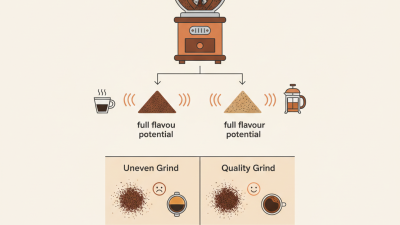
Understanding the importance of grind size is essential. Too coarse, and the coffee may be under-extracted; too fine, and it can lead to bitterness. It's a delicate balance, often overlooked by novice baristas. A high-quality Commercial Coffee Grinder not only simplifies this process but also enhances the overall coffee experience.
In this guide, we will explore the top 10 best commercial coffee grinders. Each of these products brings unique features and benefits. However, no single grinder will be perfect for every establishment. It's vital to reflect on your specific needs and preferences. The right choice can elevate your coffee service, while the wrong one might lead to dissatisfaction. Your journey to the ideal brew starts with understanding these tools.
Top Features to Consider in Commercial Coffee Grinders
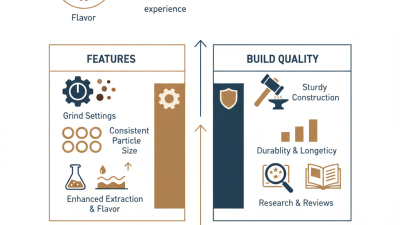
When choosing a commercial coffee grinder, specific features can significantly impact the quality of the brew. One crucial aspect is grind size consistency. Research shows that 80% of coffee professionals agree this factor influences flavor extraction. It’s vital to look for grinders offering adjustable settings for various brewing methods.
Another essential feature is the grind speed. A faster grinder can save time in busy environments. However, excessive heat can affect coffee flavor. Experts suggest looking for grinders with heat-dissipation features or ceramic burrs. The grind material matters too, as stainless steel and ceramic each produce different outcomes.
Noise level is often overlooked. Some studies indicate that excessive noise can discourage customers and affect staff morale. A quieter grinder improves the overall vibe in a commercial setting. Lastly, ease of cleaning is crucial. Grinders accumulate residue, which can alter taste if not maintained. Regular cleaning should be part of the operational routine for optimal performance.
Understanding Grind Size and Its Impact on Brewing Quality
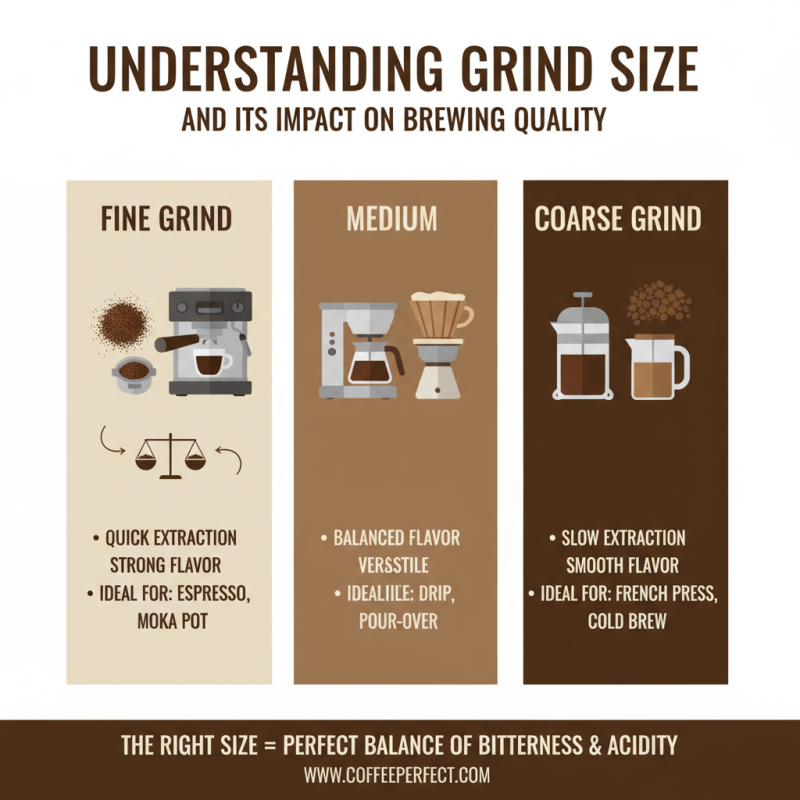
Grind size plays a crucial role in the quality of your coffee. Finer grinds extract flavors quickly, ideal for espresso. Coarser grinds, on the other hand, are better for methods like French press. The right size affects bitterness and acidity, balancing flavors beautifully.
Optimizing grind size requires a bit of trial and error. Not all beans behave the same way. A single origin coffee may demand a different grind than a blend. If your coffee tastes off, revisit the grind. Adjust slowly and observe changes.
Many overlook how grind size impacts extraction time. A too-fine grind can lead to over-extraction. This often results in a bitter taste. Conversely, a coarse grind may under-extract, leaving flavors flat. Understanding this relationship is essential for perfecting your brew.
The Role of Burr vs. Blade Grinders in Flavor Extraction
When it comes to coffee grinding, the choice between burr and blade grinders significantly influences flavor extraction. Burr grinders produce a uniform grind size. This consistency is essential for optimal extraction during brewing. The result is a cup of coffee that showcases a balanced flavor profile, allowing the unique notes of the beans to shine.
In contrast, blade grinders chop beans inconsistently, leading to uneven extraction. This can produce sour or bitter flavors, detracting from the overall experience. Users often overlook this detail, but the grind size can make or break a cup of coffee. A burr grinder requires more effort and can be pricier, yet for true coffee aficionados, it’s worth the investment.
Some may argue that blade grinders are faster and more affordable, making them appealing for casual users. However, investing in a quality burr grinder may result in better, more flavorful brews, elevating the coffee experience. Think about the impact of your choice. What type of coffee do you want to enjoy every morning?
Evaluating Grind Speed and Capacity for High-Volume Settings
In high-volume coffee settings, grind speed and capacity are critical factors. The grind speed can significantly influence the overall efficiency of a café. A recent industry report indicated that optimal grind speeds should range from 2 to 3 grams per second for commercial machines. This rate allows baristas to serve customers quickly without compromising flavor. However, most grinders fail to achieve consistent particle size at these speeds, leading to uneven extraction.
Capacity is equally important. Grinders with a larger hopper can accommodate more beans, reducing downtime. Analysis shows that a grinder with a 1-pound capacity can serve up to 100 cups per hour. This is crucial during peak times. Nevertheless, larger hoppers can sometimes lead to stale coffee if not used properly. Some operators overlook the importance of freshness, which undermines quality.
Moreover, precise calibration is essential. If grinders are not calibrated consistently, the grind may become too coarse or too fine. This inconsistency can affect brew quality and customer satisfaction. Studies suggest that even slight variations in grind settings can change extraction time by 20%. Thus, achieving an ideal balance between speed and quality requires constant attention and fine-tuning.
Top 10 Best Commercial Coffee Grinders for Perfect Brew
This bar chart illustrates the grind speed (grams per second) and capacity (grams) of the top 10 commercial coffee grinders suited for high-volume settings. Optimal grind speed and capacity are crucial for efficient operations in busy environments.
Maintenance and Durability: Key Factors for Longevity in Commercial Grinders
When it comes to commercial coffee grinders, maintenance and durability are vital. According to industry reports, grinders that receive proper maintenance last 25% longer than those that don’t. Over time, lack of care can lead to inconsistent grind sizes and poor brew quality. Regular cleaning is essential. Residue buildup from coffee oils can clog mechanisms, leading to premature wear.
Durability also hinges on the materials used in construction. High-quality steel components generally withstand heavy usage better than lower-grade materials. This translates to fewer repairs and replacements, minimizing downtime. Reports indicate that using durable grinders can result in cost savings of up to 30% over five years.
It’s important to recognize common issues. Misalignment of burrs can create uneven grinds, affecting flavor extraction. Additionally, some grinders struggle with temperature control, which can harm the coffee’s integrity. Investing in a reliable coffee grinder requires careful consideration. Balancing cost with performance is essential for long-term success. The goal is a grinder that keeps up with the demands of your business while consistently delivering quality.