What is the Best Flat Burr Grinder for Coffee Lovers?
Coffee enthusiasts often debate the best tools for brewing the perfect cup. Among them, the flat burr grinder stands out as a favorite. This tool has gained significant attention for its ability to produce uniform coffee grounds, critical for brewing consistency. According to a report by the Specialty Coffee Association, consistent grind size can enhance a brew's flavor profile by 20%.
Coffee expert James Hoffmann emphasizes, "A good flat burr grinder is essential for any serious coffee lover." His insights highlight the impact of grind quality on extraction and taste. Flat burr grinders typically offer precision that blade grinders cannot match. Users often notice rich flavor nuances and less bitterness when using a flat burr grinder. Yet, affordability and maintenance can pose challenges.
Choosing the best flat burr grinder involves careful consideration. It's important to balance quality and price. Some grinders may excel in performance but fall short in durability. This landscape leaves consumers needing to research and reflect on their needs. As the coffee culture grows, the choice of grinder becomes increasingly important.
Understanding Flat Burr Grinders: A Comprehensive Overview
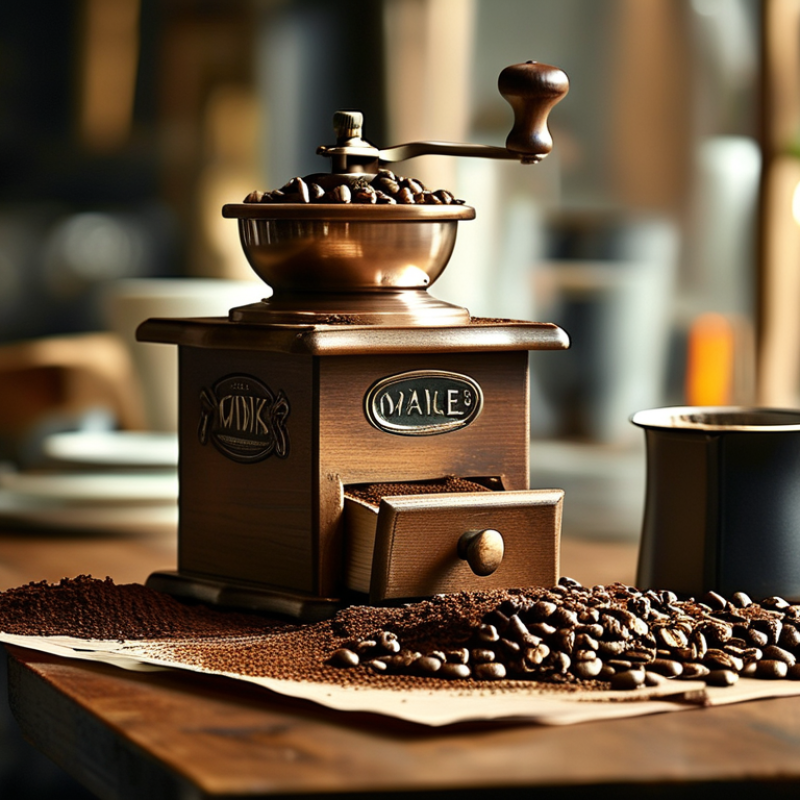
When exploring the world of coffee, flat burr grinders hold a crucial position. They offer uniform grind size, enhancing extraction. This leads to a richer flavor profile in your cup. Understanding how these grinders work is key for any coffee lover. A flat burr grinder uses two parallel burrs. Coffee beans are crushed rather than chopped, resulting in consistent grounds.
One important factor to consider is grind size settings. Adjustable settings allow you to customize the grind for various brewing methods. A finer grind is ideal for espresso, while a coarser grind suits methods like French press. Consider your brewing preferences when choosing a grinder.
Tip: Always clean your grinder regularly. This maintenance helps eliminate old coffee residues that can affect flavor. Another tip is to experiment with different beans to discover what suits your taste. Remember, even slight adjustments can alter the brew dramatically. Enjoy the journey of finding the perfect grind!
Key Features to Consider in a Flat Burr Grinder
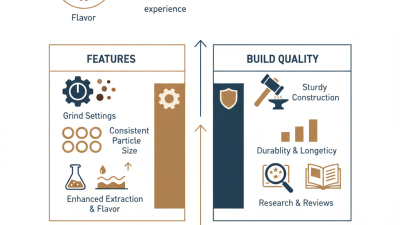
When searching for the best flat burr grinder, several key features can significantly enhance your coffee experience. Burr size and material are crucial factors. Larger burrs tend to produce more consistent grind sizes. Stainless steel burrs are popular for their durability and heat resistance. According to the Specialty Coffee Association, ideal grind consistency is essential for optimal flavor extraction.
Another important feature is grind settings. A good flat burr grinder should offer a range of settings. This flexibility allows you to experiment with different brewing methods. Experts recommend that a grinder with at least 15 settings provides a versatile brewing experience. Additionally, the time and noise level of grinding should be considered. Some grinders operate quietly, which can enhance your morning ritual.
Equally significant is the ease of cleaning. A grinder that can be easily disassembled will help maintain its performance. Cleaning reduces the risk of old coffee oils affecting future brews. Some users overlook this factor, which can impact the longevity of the machine. While there are many options on the market, not all will meet the specific needs of each coffee lover. Evaluating these features thoughtfully can lead to more enjoyable brewing experiences.
Top Flat Burr Grinder Brands for Coffee Enthusiasts
When exploring flat burr grinders, coffee enthusiasts often seek quality and consistency. These grinders excel in providing an even grind size, enhancing the flavor profile of coffee. It’s crucial to understand the different brands available. Some brands are known for their durability, while others focus on innovative features. Each brand has its strengths and weaknesses.
Many coffee lovers appreciate grinders that allow for precise adjustments. This helps in achieving the perfect grind for various brewing methods. Accessibility and ease of use are also common desires. However, finding a grinder that balances quality and price can be challenging. Some products may be overpriced without delivering the expected performance.
Investing in a reliable grinder can significantly influence your coffee experience. It’s essential to consider user reviews and expert opinions when choosing one. Evaluating your brewing style and preferences is vital. Engaging in insider forums or coffee communities can provide valuable insights. With so many options, the journey to finding the best grinder can be both exciting and daunting.
Comparing Flat Burr Grinders: Price vs. Performance
When shopping for a flat burr grinder, price and performance are key considerations. A high price doesn’t always mean better performance. Many affordable grinders deliver consistent grind sizes. For coffee lovers, a uniform grind is crucial for brewing excellence. It's important to assess the grinding mechanism and build quality.
Tips: Look for models with adjustable settings. This helps achieve the grind size suitable for various brewing methods, from espresso to French press. Read user reviews to gauge real-world performance. Some grinders might struggle with certain beans or roast levels.
Also, consider the noise level. Some machines operate quietly, while others are loud. This can affect your morning routine, especially if you value peace. Don’t overlook ease of cleaning. A grinder that’s simple to disassemble helps maintain performance over time. Remember, investing a little extra in a reliable model can save you headaches later.
Maintenance Tips for Optimal Flat Burr Grinder Longevity
A flat burr grinder is a crucial tool for coffee lovers. Proper maintenance ensures it works efficiently over time. Start by cleaning the grinder regularly. Coffee oils and grounds can build up. Use a soft brush to clear out residue. Avoid water, as it can cause damage.
Check the burrs for wear and tear. They should remain sharp for optimal grinding. If they become dull, consider replacing them. This can enhance the quality of your coffee. Take time to adjust the grind settings to match your brewing method. This simple step can elevate your coffee experience significantly.
Storing the grinder properly is essential, too. Keep it in a cool, dry place. Extreme temperatures can affect performance. It's easy to overlook these details, yet they can impact flavor. Pay attention to how the grinder performs. If you notice changes, consider recalibration or further cleaning. Your coffee deserves the best.
What is the Best Flat Burr Grinder for Coffee Lovers? - Maintenance Tips for Optimal Flat Burr Grinder Longevity
| Feature |
Description |
Importance |
Maintenance Tip |
| Burr Material |
Typically made of stainless steel or ceramic. |
Long-lasting grinding efficiency. |
Regularly clean burrs to prevent clogging. |
| Grind Settings |
Multiple settings for different brew methods. |
Allows for versatility in coffee making. |
Adjust settings gradually to find the best grind. |
| Hopper Capacity |
Larger capacity holds more beans. |
Less frequent refilling during use. |
Empty hopper when not in use to maintain freshness. |
| Speed |
RPM affects grind consistency and heat. |
Lower speeds often result in better flavor retention. |
Avoid grinding for too long to prevent overheating. |
| Ease of Cleaning |
Some grinders disassemble easily for cleaning. |
Regular cleaning extends grinder lifespan. |
Use a brush and vacuum for regular maintenance. |