How to Choose the Best Bulk Coffee Grinder for Your Business?
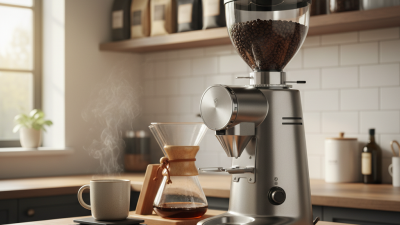
Selecting the right Bulk Coffee Grinder is crucial for any coffee business. This decision impacts flavor, efficiency, and customer satisfaction. A good grinder can enhance the aroma and taste of coffee, which keeps customers coming back. However, with so many options available, making the right choice requires careful consideration.
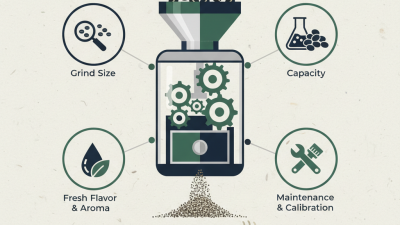
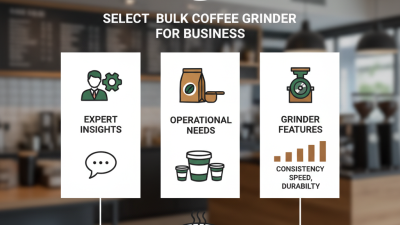
When evaluating a Bulk Coffee Grinder, think about your specific needs. Consider the volume of coffee you serve daily. The grinder's capacity should align with your business operation. Look for features like grind settings and speed control. These details can make a significant difference in the coffee quality you offer.
Not all grinders are created equal. Some may stall under heavy use, affecting service. Others might grind unevenly, leading to inconsistent flavor. Take time to research brands and read reviews. Seek recommendations from industry professionals who understand coffee equipment. Investing wisely in a Bulk Coffee Grinder can elevate your business and satisfy your customers.
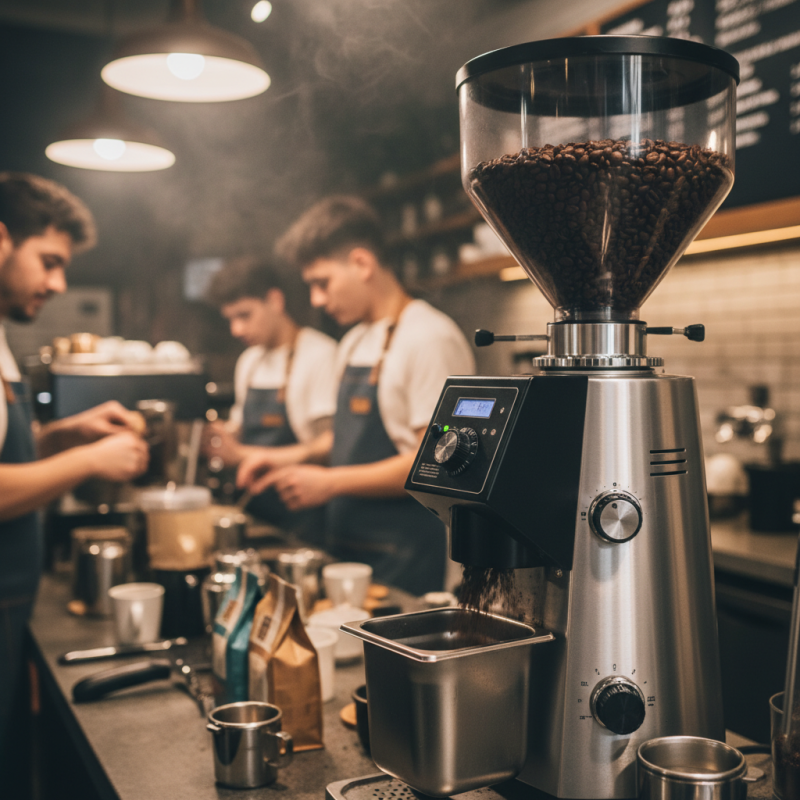
Understanding the Importance of Bulk Coffee Grinders for Businesses
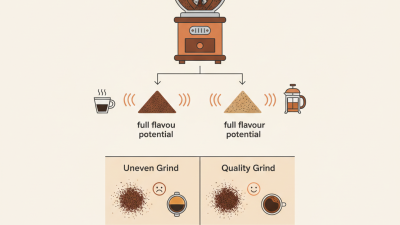
Bulk coffee grinders play a crucial role in the coffee business. They ensure that coffee beans are ground to the ideal consistency. This consistency impacts the flavor and aroma of the coffee.
A good grinder allows for adjustments based on the brewing method. Different methods require different grinds, from coarse to fine.
Choosing the right grinder is not just about capacity. The grinder's design affects the quality of the grind. For instance, blade grinders may produce uneven grounds. This can lead to inconsistent extraction during brewing. Additionally, user experience matters. An easy-to-use grinder saves time during busy hours.
Businesses must also consider maintenance and cleaning. A neglected grinder can compromise coffee quality. Regular cleaning ensures that flavors do not become muddied. Reflecting on these aspects helps in making informed choices.
A perfect grinder may not exist, but understanding these factors can guide better decisions.
Key Features to Look for in a Bulk Coffee Grinder
Choosing the best bulk coffee grinder involves understanding key features that impact performance. One critical feature is the grinding mechanism. Burr grinders are often favored for their consistency. According to the Specialty Coffee Association, a uniform grind can enhance flavor extraction by up to 20%. For businesses, this consistency is essential in delivering quality coffee to customers.
Another important aspect is the grinder capacity. Depending on your business size, you'll want a machine that can handle your daily coffee requirements. Retailers typically see a daily demand of around 10-15 kg of coffee beans. This means choosing a grinder with a hopper capacity that reflects your needs. The right capacity minimizes downtime and maximizes efficiency.
**Tip:** Always review the grind size settings. Flexibility in grind size allows you to cater to different brewing methods, from espresso to French press.
Moreover, consider the maintenance aspect. Regular cleaning is essential for optimal performance. Clogged grinders can lead to inconsistent grinds and negatively affect coffee flavor and aroma. Ensure your chosen model has easy access for cleaning.
**Tip:** Invest in a grinder with removable parts for simplified maintenance. Regular upkeep preserves quality and extends the lifespan of your equipment.
Types of Bulk Coffee Grinders and Their Benefits
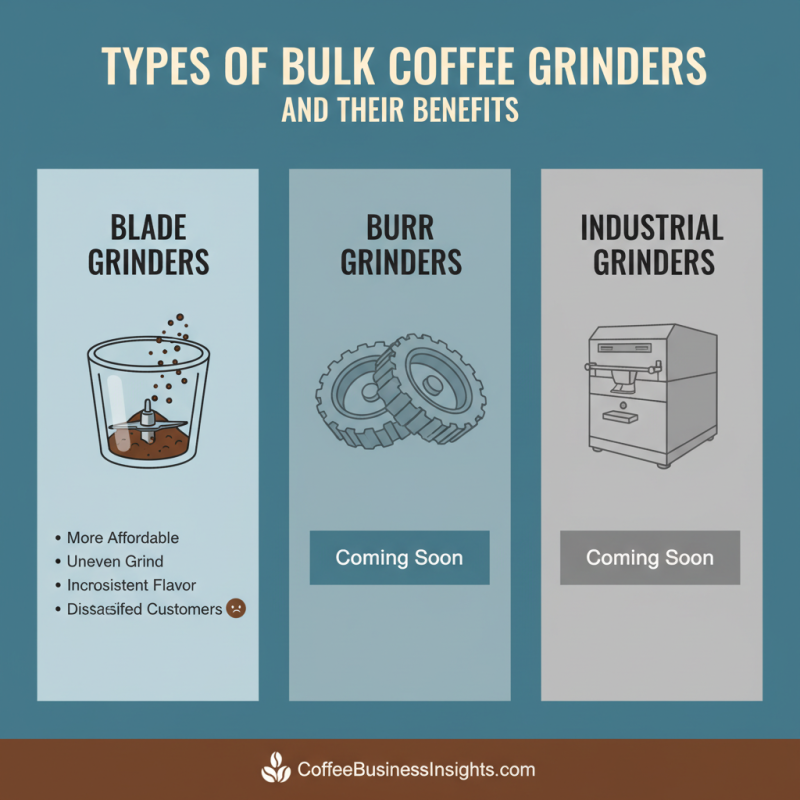
When selecting a bulk coffee grinder for your business, understanding the different types available is crucial. There are primarily three types: blade grinders, burr grinders, and industrial grinders. Blade grinders are often more affordable. However, they can create uneven grinds. This inconsistency affects flavor extraction during brewing. A coffee shop using a blade grinder might face dissatisfied customers due to fluctuating coffee taste.
Burr grinders are widely preferred in the industry. They provide uniform coffee grounds, enhancing flavor consistency. There are flat burrs and conical burrs, each offering specific advantages. Flat burrs grind coffee evenly and quickly. Conical burrs, on the other hand, are quieter and less messy. Using a burr grinder can ensure quality in every batch you serve. However, they require more maintenance and can be more expensive upfront.
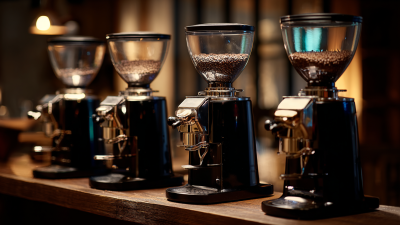
Lastly, industrial grinders are designed for high-volume needs. They can grind large amounts of coffee quickly, ideal for busy cafés. But the cost can be prohibitive. Choosing the right type comes down to your business needs and budget. Reflecting on your priorities will guide you in making the best choice.
Assessing Grinder Capacity Based on Business Needs
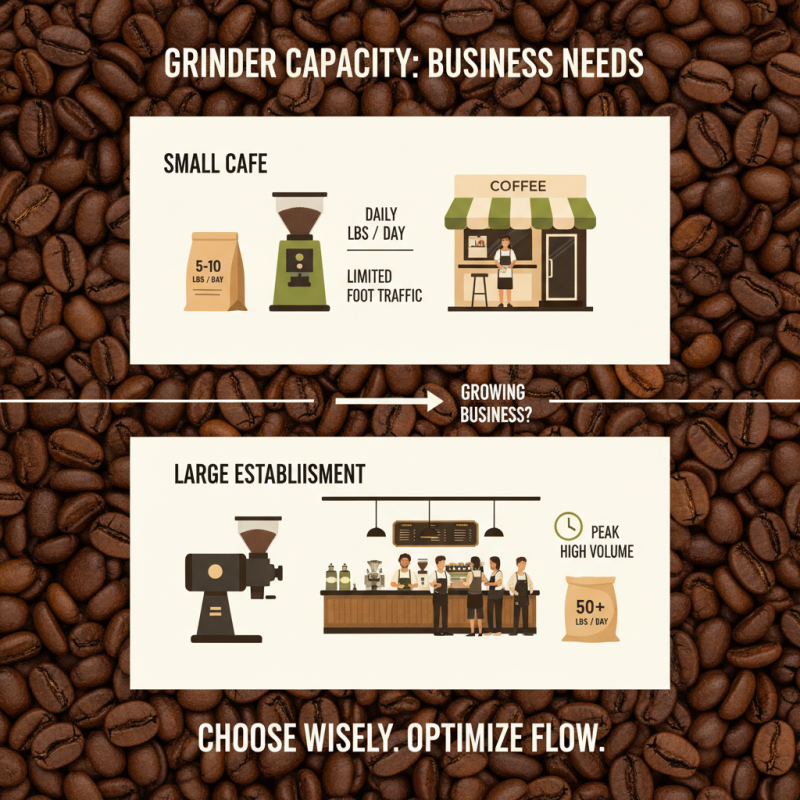
Choosing the right bulk coffee grinder involves understanding your business needs. Grinder capacity plays a crucial role in this decision. For instance, a small café with limited foot traffic may not require a unit with very high output. A grinder that can produce around 5 to 10 pounds of coffee daily might suffice. However, larger establishments require more capacity. Consider how much coffee you serve during peak hours.
Next, think about the type of coffee you offer. If your menu features several specialty brews, investing in a grinder that can handle diverse bean types is essential. A versatile machine can enhance the quality and taste of your coffee. Many businesses overlook these details, leading to poor customer experiences.
It's also important to assess your space. A high-capacity grinder takes up more room. This is something every business must consider. It’s vital to find a balance between capacity and available space. Reflect on how often your grinder will be used. If you're constantly grinding, durability should also factor into your choice. Not every grinder meets the daily demands of a bustling coffee shop.
Maintenance and Durability Considerations for Bulk Coffee Grinders
When selecting a bulk coffee grinder, maintenance and durability are critical factors. A grinder that is easy to clean will save you both time and effort. Regular cleaning prevents old coffee residue from affecting flavor. Seek grinders with removable parts. This feature simplifies the cleaning process. Stainless steel components are often more durable and resistant to corrosion. Opting for quality materials can ensure longevity.
Durability also depends on the build quality. Grinders made from high-grade materials withstand heavy usage. Consider the motor power; a strong motor can handle continuous operation. However, overheating can be a concern. Some units may shut down when overheated, which can disrupt workflow. Monitoring machine performance is essential. Regular checks can identify wear and tear before problems escalate.
Another aspect to reflect on is noise levels. Noisy grinders may disrupt the ambiance of your café. Look for models designed for quieter operation. While they may come at a higher cost, the benefits can justify the investment. A quieter grinder fosters a pleasant environment for customers and staff alike. Ultimately, weighing maintenance needs against durability will guide your choice effectively.
Maintenance and Durability Considerations for Bulk Coffee Grinders