How to Choose the Best Professional Coffee Grinder for You?
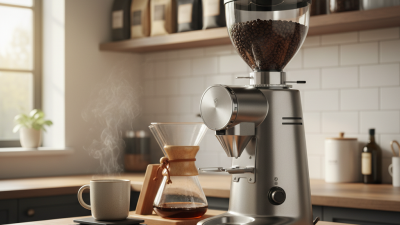
Choosing a professional coffee grinder is a significant decision for any coffee enthusiast. The right grinder enhances flavor and aroma, unlocking the true potential of your beans. A professional coffee grinder can elevate your brewing experience to new heights, offering precision and consistency in every grind.
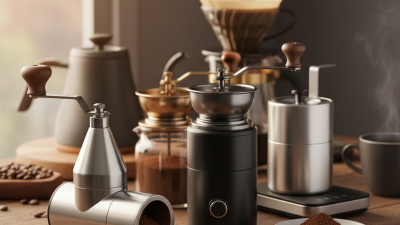
When selecting a professional coffee grinder, consider factors that matter most to you. Do you prefer manual or automatic? Burr or blade grinding? Each option has its benefits. A burr grinder may provide a more uniform grind, while blade grinders are often more affordable. It's essential to know your personal needs and preferences.
Remember, the perfect choice is often subjective. What works for one person might not work for another. Take the time to research and reflect on your specific requirements. A professional coffee grinder should ultimately suit your brewing style. Your coffee journey deserves the best tools available, but you might find some challenges along the way. Embrace them, and enjoy the process.
Understanding Different Types of Coffee Grinders: Burr vs. Blade
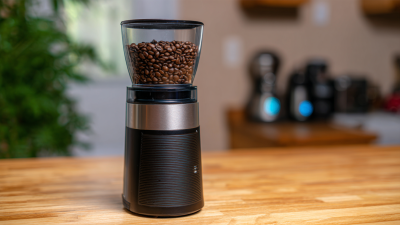
When choosing a coffee grinder, understanding the types is crucial. The two main categories are burr grinders and blade grinders. Burr grinders provide a consistent grind. They crush beans between two metal or ceramic surfaces. This allows for precise control over the grind size. Many professionals prefer burr grinders for their quality.
Blade grinders, on the other hand, are more affordable and simpler to use. They chop coffee beans with a rotating blade. This method can lead to uneven grinds. Some beans remain coarse while others become powdered. It’s essential to consider what you need. For casual drinkers, a blade grinder may suffice. However, serious coffee enthusiasts might find it lacking.
**Tip:** If you opt for a burr grinder, look for one with adjustable settings. This way, you can experiment with different grind sizes. It can enhance your brewing experience significantly.
**Tip:** When using a blade grinder, pulse the machine instead of running it continuously. This helps achieve a more uniform grind. Aim for just a few seconds at a time.
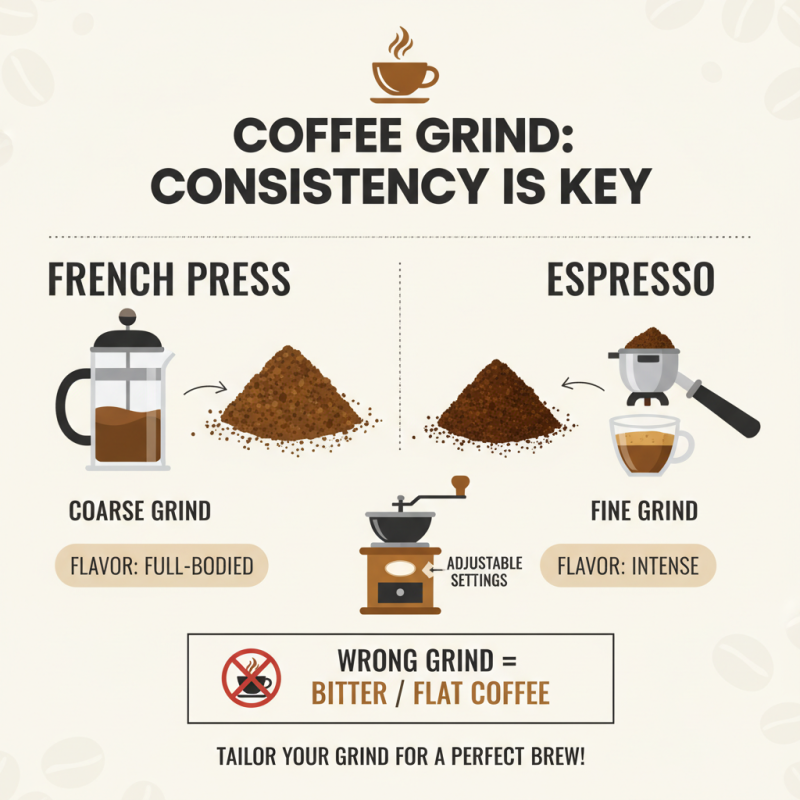
Consider your brewing method, too. Different methods require specific grind sizes. Espresso needs a fine grind, while French press prefers a coarser texture. Choosing the right grinder can be a tricky process. Analyze your preferences and weigh the pros and cons carefully. Each type has its strengths and weaknesses.
How to Choose the Best Professional Coffee Grinder for You?
| Grinder Type |
Grinding Mechanism |
Grind Consistency |
Price Range |
Best For |
| Burr Grinder |
Two revolving abrasive surfaces |
Very consistent |
$30 - $500+ |
Espresso, pour-over, French press |
| Blade Grinder |
Chopping blades |
Inconsistent |
$15 - $100 |
Drip coffee, quick use |
| Manual Grinder |
Hand-cranked mechanism |
Very consistent |
$20 - $150 |
Travel, small batches |
| Commercial Grinder |
High-capacity burrs |
Exceptionally consistent |
$400 - $3,000+ |
Coffee shops, high volume |
Key Features to Look for in a Professional Coffee Grinder
When selecting a professional coffee grinder, key features can greatly influence your brewing experience. One important aspect is the grind size consistency. Inconsistent grinds can lead to uneven extraction. A study by the Specialty Coffee Association found that 30% of baristas believe grind uniformity is crucial.
Another feature to consider is the motor power. Higher wattage typically means faster grinding. It can also affect heat generation, which influences flavor. A powerful motor can reduce the risk of overheating, preserving aroma and taste. Furthermore, choose between burr grinders and blade grinders. Burr grinders are widely praised for their grind consistency, while blade grinders may produce a mix.
Tips: Look for models that offer grind size settings. Fine adjustments can enhance brewing methods like espresso or pour-over. Consider grinders with low RPMs. They minimize friction heat and protect coffee's delicate oils. Remember, not all grinders are designed for heavy use. Re-evaluate your needs and choose wisely.
Size and Capacity: Choosing the Right Grinder for Your Needs
When choosing a professional coffee grinder, size and capacity are critical factors. Not all grinders are created equal. A home user might require a smaller, compact model, while a café needs a larger, high-capacity grinder. According to industry reports, most commercial environments benefit from grinders that hold at least 1 kg of beans. This capacity allows for consistent use throughout busy hours.
Tips: Always consider how often you’ll grind. If you make coffee daily, opt for a larger hopper. It reduces the frequency of refills and ensures a more consistent flavor profile in your brews.
Another aspect to think about is the physical footprint of the grinder. Is space limited in your kitchen or café? A bulky machine may disrupt workflow. Research shows that many professionals choose grinders that balance size with output, ensuring efficiency without sacrificing quality.
Tips: Measure your available space before deciding. A grinder should fit seamlessly into your setup. Remember, the quality of your grind impacts the coffee's taste, making these details essential to your choice.
Adjustability and Grind Settings: Importance of Consistency
When it comes to coffee, consistency is key. The grind size impacts the flavor and extraction of the brew. A grinder with adjustable settings allows you to tailor the grind to your specific brewing method. For example, a coarse grind works well for French press, while a fine grind is better for espresso. Without proper adjustments, your coffee may taste bitter or flat.
Many grinders offer a range of settings, but not all are created equal. Some may have a confusing interface that can lead to inaccuracies. It can be frustrating to get it wrong, especially when you’ve invested in quality beans. Aim for a grinder that clearly indicates each setting, so you can replicate your favorite brew time after time.
It’s also crucial to remember that adjustments take practice. You might not get the perfect grind on your first try. Experimenting can lead to unexpected results. Understanding your taste preferences is often a process. Each cup offers an opportunity to refine your technique. Adjustability becomes more than a feature; it’s an essential part of your coffee journey.
Budget Considerations: Finding the Best Value Grinder for You
When choosing a professional coffee grinder, budget plays a crucial role. You may think high prices mean better quality. However, this isn’t always true. Finding a grinder that provides good value is essential. Start by assessing your coffee habits. Consider how often you brew coffee and the type you enjoy. If you’re a casual drinker, a mid-range grinder may suffice. But dedicated enthusiasts might need to invest more.
Quality varies among models. For instance, some grinders perform exceptionally well but have limited features. Others may offer many settings but lack consistency. Carefully evaluate user reviews. Look for feedback about grind uniformity and durability. Even a slightly higher price point can translate to better long-term savings. It’s important to weigh these factors against your budget.
Don't overlook maintenance costs. Some grinders require more cleaning or can wear down quickly. This can add to your overall expenses. Think about your priorities. A grinder that fits your lifestyle may not be the cheapest. Yet, avoiding impulse buys will lead to a more satisfying choice in the long run. It is crucial to reflect on your needs. A thoughtful decision can enhance your coffee experience greatly.