Why Choose an Espresso Grinder for Perfect Coffee?
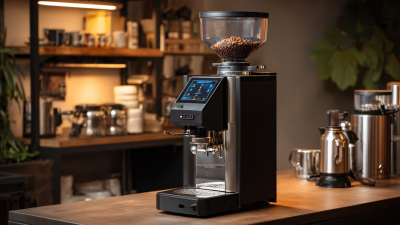
In the quest for the perfect cup of coffee, choosing the right tools is crucial. An Espresso Grinder stands as a key player in this journey. Renowned coffee expert James Hoffmann once said, "A good grinder is essential for making great espresso." His words highlight the importance of precision grinding in espresso preparation.
Many enthusiasts overlook the role of an Espresso Grinder. They may focus solely on their coffee beans or machines. However, the grind size can make or break the extraction process. A fine, uniform grind allows water to flow through the coffee evenly, enhancing flavor and aroma. When using an inferior grinder, the results can be disappointing. Inconsistencies in grind size lead to uneven extraction and a lackluster cup.
Investing in a quality Espresso Grinder can transform your coffee experience. It requires some thought. A perfect espresso requires attention to detail. Dunking a pre-ground coffee just won’t achieve the same depth of flavor. As you explore your options, remember that a great espresso begins with a great grind.
Benefits of Using an Espresso Grinder for Coffee Quality
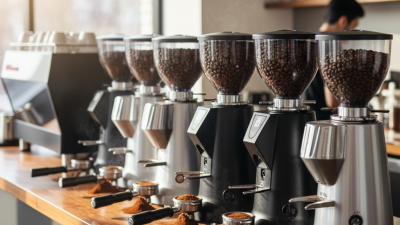
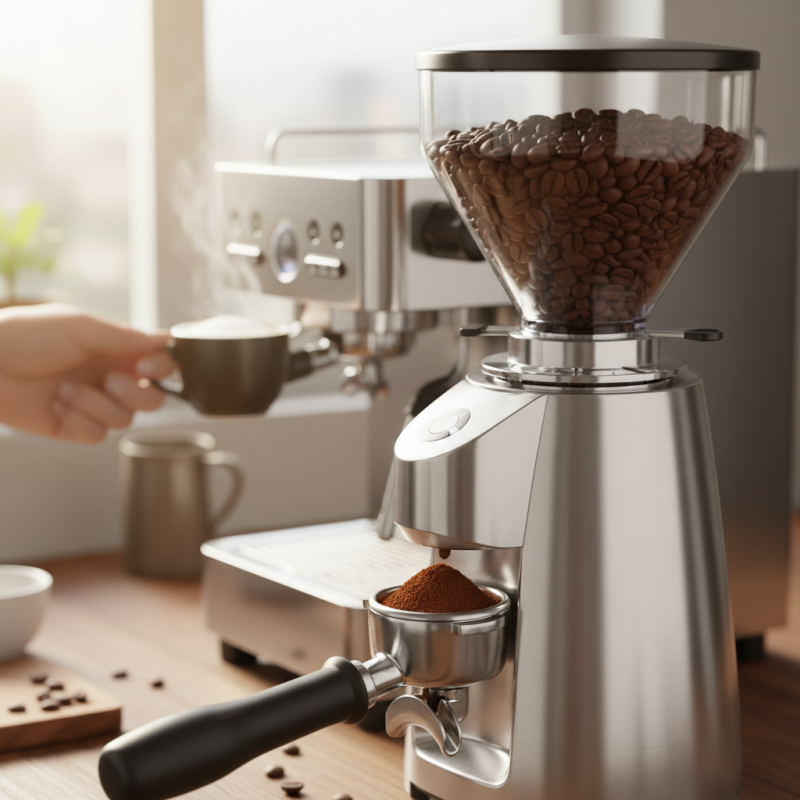
Investing in an espresso grinder can elevate your coffee experience. Freshly ground coffee beans are essential for a rich flavor. When beans are ground just before brewing, they release oils and aromas that enhance taste. This is particularly important for espresso, where the extraction process is quick.
Using an espresso grinder ensures a consistent grind size. Consistency allows for uniform extraction, resulting in a balanced shot. Too coarse or too fine can lead to bitter or weak coffee. However, achieving that perfect grind can take practice. A few missteps, like uneven sizing, might ruin your shot.
Grinding at home can be messy. Coffee grounds can go everywhere, creating a clean-up challenge. Yet, the benefits of freshly ground coffee often outweigh these inconveniences. It's all about finding the right balance and technique. Embrace the process, and your coffee will thank you.
Benefits of Using an Espresso Grinder for Coffee Quality
Understanding the Mechanics of Espresso Grinding
Espresso grinding is an art and a science. The grind size dramatically affects the flavor, aroma, and consistency of espresso. According to a study by the Specialty Coffee Association, the optimal grind size for espresso is between 200 and 300 microns. This precise measurement creates the ideal surface area for extraction during brewing.
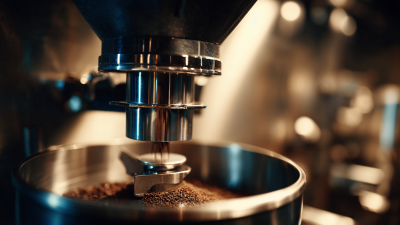
Understanding the mechanics behind these grinders is crucial. Many grinders use burrs to crush beans uniformly. Uniformity is essential because uneven particles lead to uneven extraction. A report from the European Coffee Brewing Centre highlights that even a variation of 0.2 mm can change the taste profile of coffee. It’s often overlooked how small adjustments in grind size can influence the taste of each shot.
Another focus is the grind consistency. It affects brewing time and ultimately the flavor. Studies show that a consistent grind helps maintain brewing variables, such as water temperature and pressure, leading to a better espresso shot. However, many home coffee enthusiasts do not recognize this importance. Investing in a quality grinder is a step toward achieving that desired perfect cup.
Different Types of Espresso Grinders Explained
When it comes to espresso grinding, different types matter significantly. A burr grinder offers consistent results. This type crushes beans between two surfaces. This method preserves flavor and aroma better than a blade grinder. The grind size can be adjusted with ease, depending on your brewing needs.
Blade grinders, on the other hand, are simple and affordable. They chop beans unevenly, leading to varying grind sizes. This inconsistency can affect your espresso’s taste. With blade grinders, it can be tricky to achieve the perfect shot. Many home baristas encounter this issue and often overlook it.
Manual grinders are another option. They require effort and time but can enhance the experience. Many users enjoy the ritual of hand grinding. However, this method can be tedious. Electric grinders often provide convenience, but they can lose the charm of the manual process. Each type has its pros and cons, and it’s essential to consider your personal preferences.
Factors to Consider When Choosing an Espresso Grinder
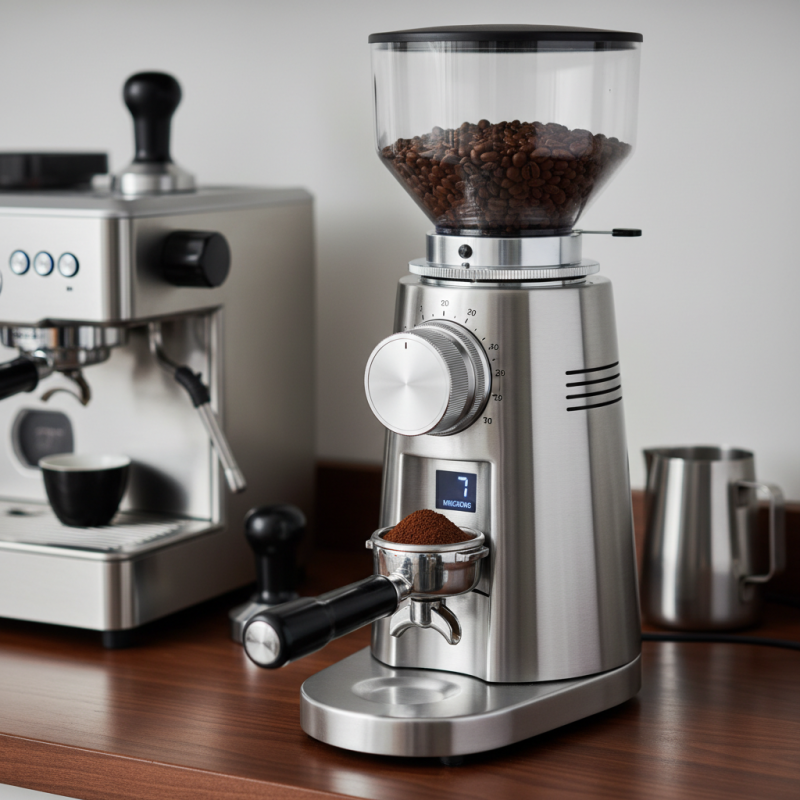
When selecting an espresso grinder, there are key factors to keep in mind. Grind size consistency is crucial. Uneven grinds affect extraction. Ideally, your grinder should produce a uniform texture. This helps achieve the rich flavors espresso fans crave. Look for models that allow fine-tuning of grind settings. This level of control can make or break your brewing experience.
Next, consider the grinding mechanism. Burr grinders are generally favored over blade grinders. Burrs offer precision and uniformity. A high-quality burr grinder often yields better results than a blade grinder. However, not all burr grinders are created equal. Research the material and design of burrs as it directly affects performance.
Lastly, don't overlook capacity and speed. A grinder with a larger capacity minimizes the time spent on refilling. However, speed can impact freshness. Grinding too fast may generate heat, leading to unwanted flavor changes. Balancing speed and capacity is essential for optimal results. It's this balance that often gets overlooked in the grinder selection process.
Tips for Maintaining Your Espresso Grinder for Longevity
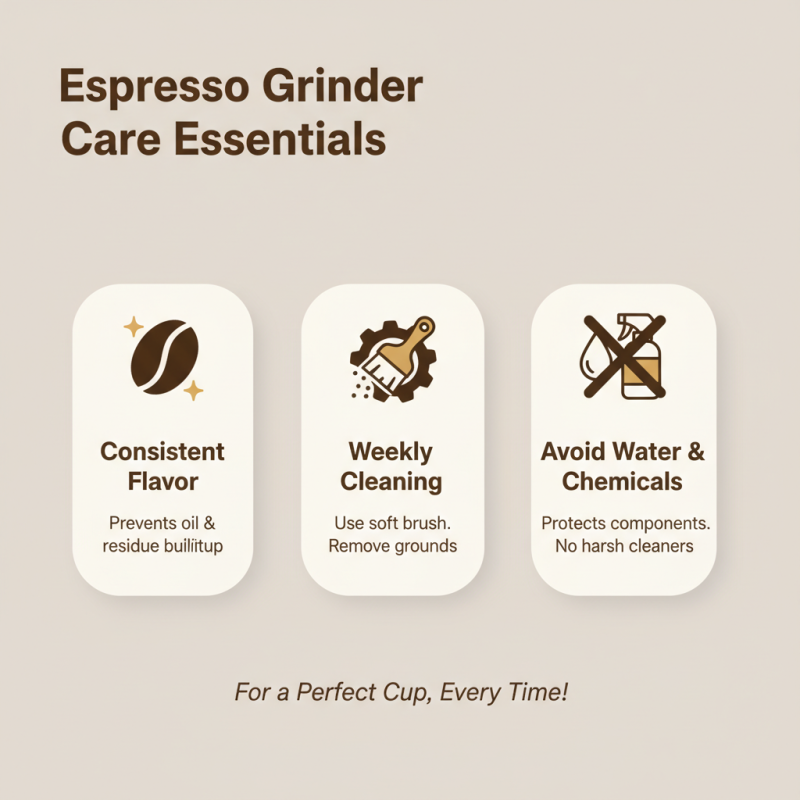
Maintaining your espresso grinder is essential for great coffee. Regular cleaning is a must. Coffee oils and residues can build up, affecting flavor. Use a soft brush to remove grounds weekly. Avoid water or harsh cleaners; they could damage components.
Another vital aspect is checking the grind size. A consistent grind is crucial for espresso extraction. Adjust the settings if you notice uneven results. Listen for changes in the sound of grinding; it may indicate a problem.
Moreover, don’t forget about burr maintenance. Over time, burrs can dull. Replacing them every few years ensures quality. Regularly inspect them for wear. It’s easy to overlook, but essential for great espresso. Take time to maintain your grinder, and your coffee will ultimately reward you.