How to Choose the Best Commercial Espresso Grinder?
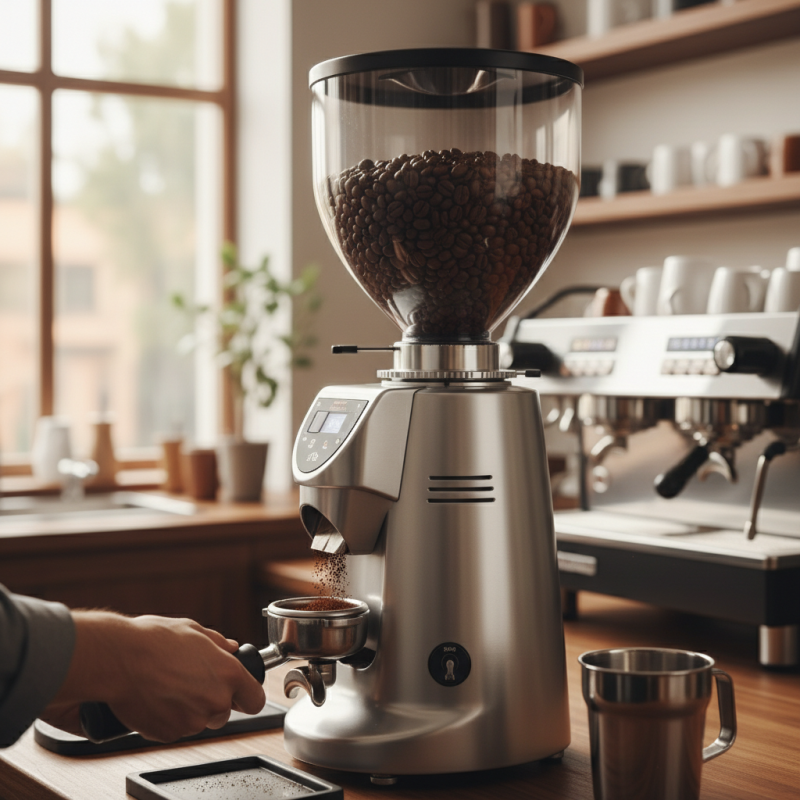
Choosing the right Commercial Espresso Grinder is crucial for any coffee shop or café. It can directly impact the quality of espresso extracted. A well-selected grinder enhances flavor and ensures consistency.
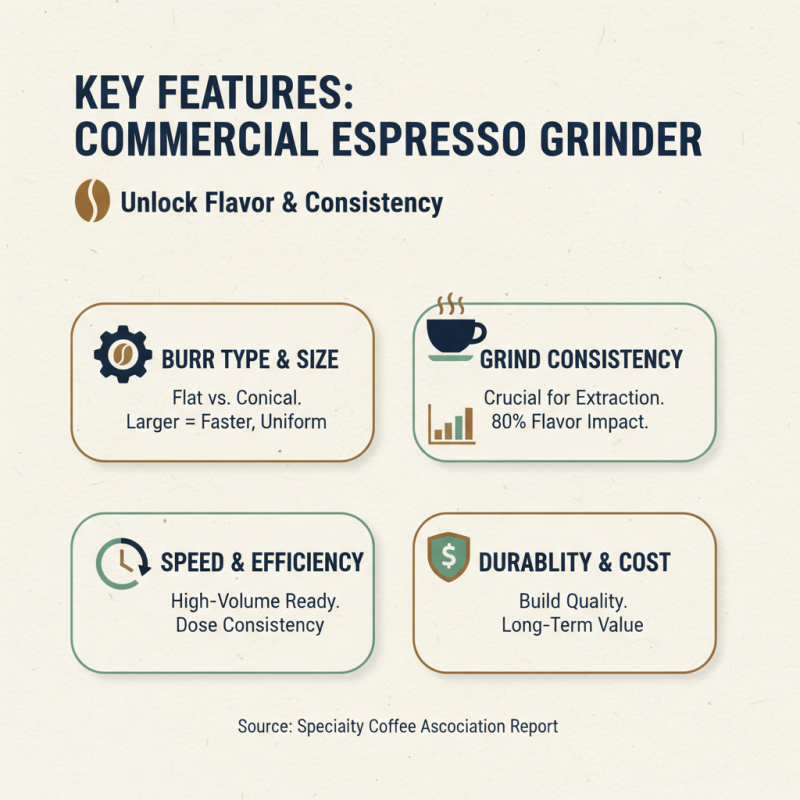
When evaluating a Commercial Espresso Grinder, consider the grinder's burr type and size. High-quality burrs produce a uniform grind. A precise grind is necessary for optimal extraction. Understanding the components leads to better decision-making.
Investing in a reliable grinder can be daunting. With numerous brands and models available, it can overwhelm. Each option offers unique features. Take the time to research and reflect on your specific needs. A good grinder elevates the overall coffee experience for customers.
Understanding the Importance of a Quality Espresso Grinder
Investing in a quality espresso grinder is crucial for any coffee business. A good grinder influences the flavor and consistency of espresso. The grind size can alter extraction rates, impacting taste significantly. Think about this: a too coarse grind leads to a sour flavor, while a fine grind may yield bitterness. These details matter.
Quality grinders use premium materials and precise engineering. They ensure consistent particle size, which is essential for uniform extraction. Make adjustments easier with user-friendly controls. However, many overlook the importance of maintenance. Regular cleaning is essential to prevent stale coffee oils from affecting flavor.
Choosing a grinder is personal. Consider your menu and customer preferences. A powerful grinder may seem appealing, but does it match your needs? Take time to evaluate options. Not every model fits every shop. Reflect on your priorities. Balancing price against quality can be tricky. Always remember: a grinder is more than just a tool; it's a pivotal part of your coffee experience.
Types of Espresso Grinders: Burr vs. Blade and Their Impact
When selecting an espresso grinder, the type plays a crucial role. The two main types are burr grinders and blade grinders. Burr grinders crush beans between two burred surfaces, creating a consistent grind. This uniformity results in better extraction during brewing. On the other hand, blade grinders chop beans randomly, leading to uneven grind sizes. This inconsistency can impact the espresso flavor negatively.
Tips for choosing your grinder:
- Look for a grinder with adjustable settings. This allows you to experiment with grind size for your preferred espresso.
- Consider the material of the burrs. Steel is common, but ceramic offers durability and heat resistance.
- Pay attention to the size of the hopper too. A larger hopper means less frequent refilling, which is beneficial in a commercial setting.
Don’t forget to factor in maintenance. Burr grinders are generally easier to clean than blade grinders. However, they can be bulkier and more expensive. Reflect on your
volume needs and
budget. A high-quality grinder can be an investment, while a cheaper option may lead to compromises in taste and quality. Remember, even the best equipment won't compensate for poor coffee beans. Choose wisely.
Comparing Pricing and Brand Reputation in Espresso Grinders
When considering an espresso grinder, pricing and brand reputation play crucial roles. Quality espresso grinders have a significant price range. It's essential to evaluate what features you need. A higher price often reflects better materials and precision engineering. Established brands typically offer warranties and customer support. However, smaller brands can provide unique solutions tailored to niche markets.
Brand reputation is not just about popularity. It involves customer reviews and industry feedback. A well-respected brand usually stands behind its product. Pay attention to online forums and coffee communities. Users often share detailed experiences. This can provide insights that marketing materials may not cover. Comparing these opinions can be invaluable in your decision-making process.
Try not to overlook lesser-known brands. Sometimes, they offer competitive features at a lower cost. But remember, lower prices can mean quality trade-offs. Researching user experiences may reveal durability concerns or inconsistent performance. Balancing cost with quality is key. You might discover that the perfect machine lies within a different price bracket than you initially expected.
Maintenance and Longevity: Ensuring Your Grinder Stands the Test of Time
When choosing a commercial espresso grinder, maintenance is key to long-term performance. Regular cleaning helps prevent clogs and retains the quality of your grind. Research shows that grinders with consistent care can last over a decade, while neglected equipment typically fails within five years. This difference highlights the importance of routine maintenance.
Tips: Clean the grinder every couple of weeks. Focus on removing oils and coffee grounds that accumulate over time. Check burr wear periodically. Signs of wear include increased grind size and uneven consistency, which affect the taste.
In terms of longevity, consider materials and build quality. Stainless steel burrs are more durable than their counterparts. A robust grinder can handle high volumes during peak hours. However, not all grinders are created equal. Even the best can fall short without proper care.
Tips: Use only recommended cleaning brushes. Avoid harsh chemicals that can damage parts. It's essential to listen for unusual noises. They can signal that maintenance is overdue. Regular inspections can save you from costly repairs down the road.
Comparative Analysis of Commercial Espresso Grinder Maintenance Costs
This bar chart illustrates the average maintenance costs of commercial espresso grinders over a five-year period. As shown, costs tend to increase as the grinder ages, emphasizing the importance of regular maintenance for longevity.