How to Choose the Best Flat Burr Grinder for Your Needs?
Choosing the right flat burr grinder can significantly enhance your coffee brewing experience. According to industry reports, quality grinding contributes to 50% of the coffee's flavor profile. A flat burr grinder excels in delivering uniform particle size, crucial for optimal extraction. Many home baristas overlook the importance of grind consistency, leading to subpar coffee.
With numerous options on the market, finding the best flat burr grinder can be perplexing. It's easy to get lost in features and specifications. However, taking into account your brewing method and personal preferences is vital. Research indicates that an appropriate grinder can improve flavor extraction by up to 30%.
Investing time in understanding the various models is worthwhile. Many consumers fail to consider their specific needs, leading to impulsive buying. Delving into user reviews and expert opinions can provide invaluable insights. The right flat burr grinder not only elevates your coffee game but also enhances your daily ritual.
Understanding Flat Burr Grinders: Key Features and Benefits
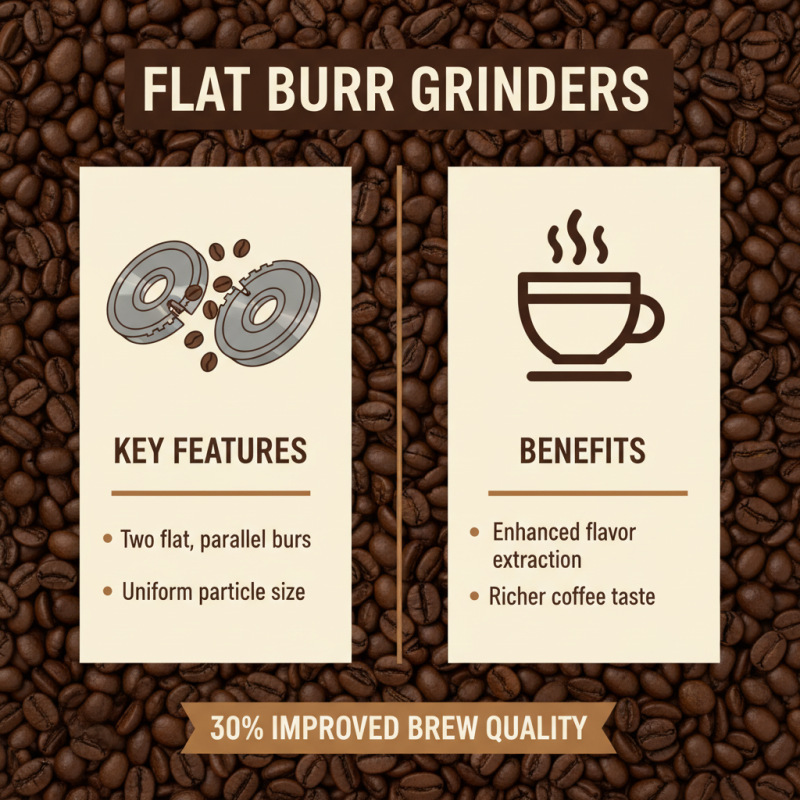
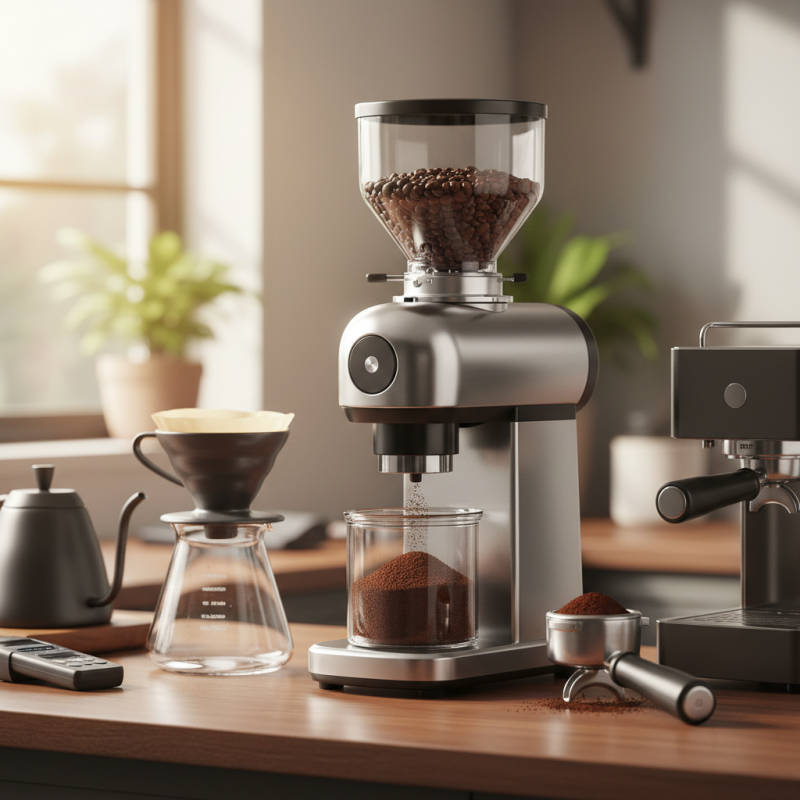
Flat burr grinders are essential for coffee enthusiasts seeking consistency. Their design includes two flat burrs that crush beans, ensuring even particle size. This feature enhances extraction, leading to richer flavors. Data from various studies indicates that consistent grind size can improve brew quality by up to 30%.
When choosing a flat burr grinder, consider key features like grind settings and build materials. More grind settings offer versatility. High-quality materials improve durability and performance. Look for options with stainless steel burrs. They retain sharpness and resist corrosion.
**Tips:** Always clean your grinder regularly. Residue can alter flavors. Test different grind settings to find what suits your taste best. Take the time to understand your brewing method; it can guide your choice. The right grinder is not just about performance; it's an investment in your daily coffee experience.
Assessing Your Coffee Brewing Methods to Determine Grinder Needs
Selecting the right flat burr grinder requires understanding your coffee brewing methods. Different techniques extract flavors in unique ways. For instance, espresso demands a fine grind, while French press requires a coarser texture. According to the National Coffee Association, 70% of coffee drinkers prefer brewing methods that highlight flavor complexity. Thus, knowing your method influences your grinder choice.
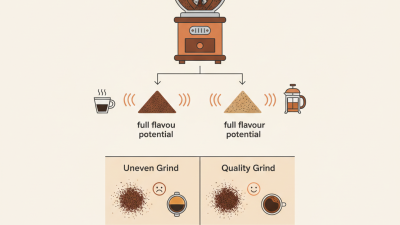
Consider the consistency of grind size. A study from the Specialty Coffee Association notes that uniformity affects extraction during brewing. If the grind is uneven, some coffee may taste bitter, while others remain under-extracted. For espresso lovers, a precision burr grinder can make a significant difference. Yet, these grinders often come at a higher price.
Even with reliability, every user's need varies. Some coffee enthusiasts prefer a manual grinder for control and a hands-on approach. Others favor electric grinders for convenience. This choice depends on routine and flavor preferences. Misjudgments in grinder selection can lead to disappointing brews. It's essential to reflect on personal habits and long-term goals in coffee appreciation.
How to Choose the Best Flat Burr Grinder for Your Needs?
| Grinder Type |
Brew Method |
Grind Settings |
Capacity (g) |
Price Range ($) |
| Entry-Level Burr Grinder |
Drip Coffee |
Medium |
150 |
50-100 |
| Mid-Range Burr Grinder |
Espresso |
Fine to Coarse |
250 |
100-250 |
| High-End Burr Grinder |
French Press |
Coarse |
400 |
250-500 |
| Professional Burr Grinder |
Cold Brew |
Coarse to Medium |
500 |
500+ |
Exploring Different Burr Materials and Their Impact on Grind Quality
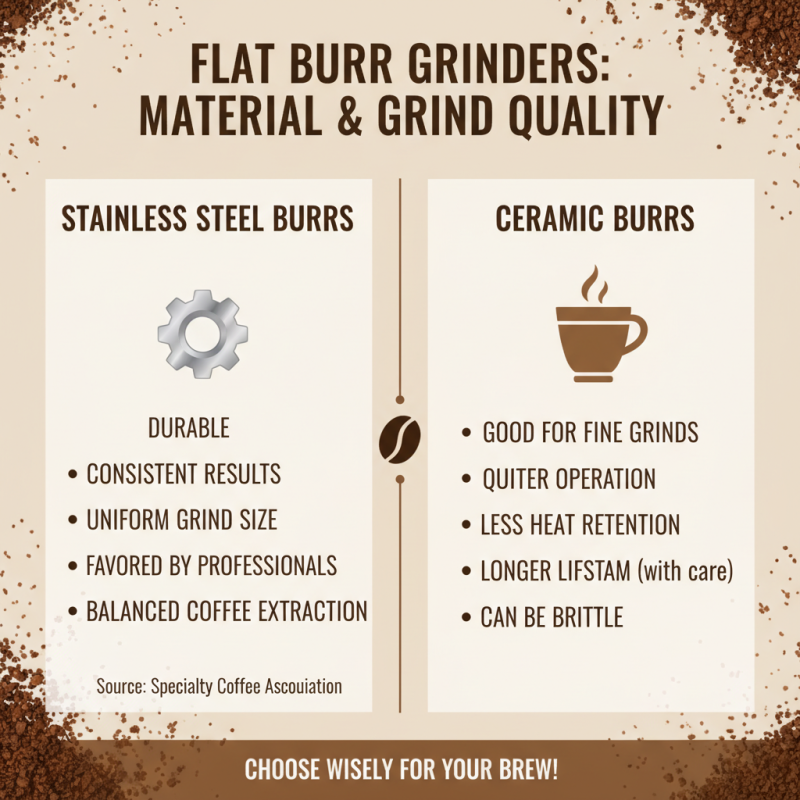
When selecting a flat burr grinder, the choice of burr material can greatly affect grind quality. The most common materials are stainless steel and ceramic. Stainless steel burrs are durable and provide consistent results, often favored by professionals. According to a report from the Specialty Coffee Association, stainless steel grinders deliver uniform grind sizes, which can make a noticeable difference in extraction. This leads to a more balanced cup of coffee.
Ceramic burrs, on the other hand, produce less heat during grinding. This characteristic helps preserve the coffee's natural oils and flavors. A study published in the Journal of Coffee Research indicated that ceramic burrs are less prone to wear over time. However, they can chip or crack, which may impact performance. Users sometimes overlook the long-term implications of burr durability.
In practice, the ideal material often depends on individual preferences. While stainless steel may excel in consistency, the flavor retention of ceramic can be appealing. Some coffee enthusiasts find that experimenting with different burr materials leads to unique taste profiles. Understanding these nuances can enhance the overall brewing experience.
Evaluating Grinder Capacity and Size for Your Coffee Consumption
When evaluating grinder capacity and size for your coffee habits, consider how much coffee you brew regularly. A smaller grinder may suffice for an occasional cup. However, if you often make multiple servings, a larger capacity is essential. Remember, a grinder's size affects its usability and storage space.
Choosing the right size is about balance. A compact grinder fits easily in your kitchen but may require more frequent refills. Meanwhile, a larger grinder may require more counter space but allows for less hassle during busy mornings. Think about your brewing routine and choose accordingly.
Tips for selection: Evaluate your brew method. For espresso, consistency is key; a fine grind is needed. For a French press, a coarser grind works well. If you love experimenting, opt for a grinder with adjustable settings. Finally, always check the grind retention; less retention means fresher coffee flavors. Make your choice wisely!
Comparing Price Ranges and Budget Considerations for Flat Burr Grinders
When selecting a flat burr grinder, budget plays a crucial role. Professional reports indicate that entry-level grinders range from $50 to $150. These options often lack consistent grind quality but can serve beginners. They may struggle with various grind sizes, affecting brew methods. Enthusiast-level grinders typically range from $200 to $500. These offer better grind consistency, but still vary widely in features.
For those serious about coffee, higher-end grinders priced above $500 deliver exceptional results. They feature advanced technology, ensuring uniform grinds. However, investing in these requires careful consideration. Many users find their actual needs do not align with the investment. Also, maintenance costs can add up over time. Understanding your brewing habits is key to selecting the right model.
Evaluating features is essential, but it shouldn’t overshadow the budget. Some grinders may look appealing but fail to perform in daily use. Prices can reflect quality, yet there are hidden costs. An underperforming grinder may lead to wasted beans and inconsistent brews. It’s crucial to balance price, performance, and personal needs. Conducting thorough research aids in making an informed choice.
Comparison of Flat Burr Grinders by Price Range