How to Choose the Best Professional Coffee Grinder?
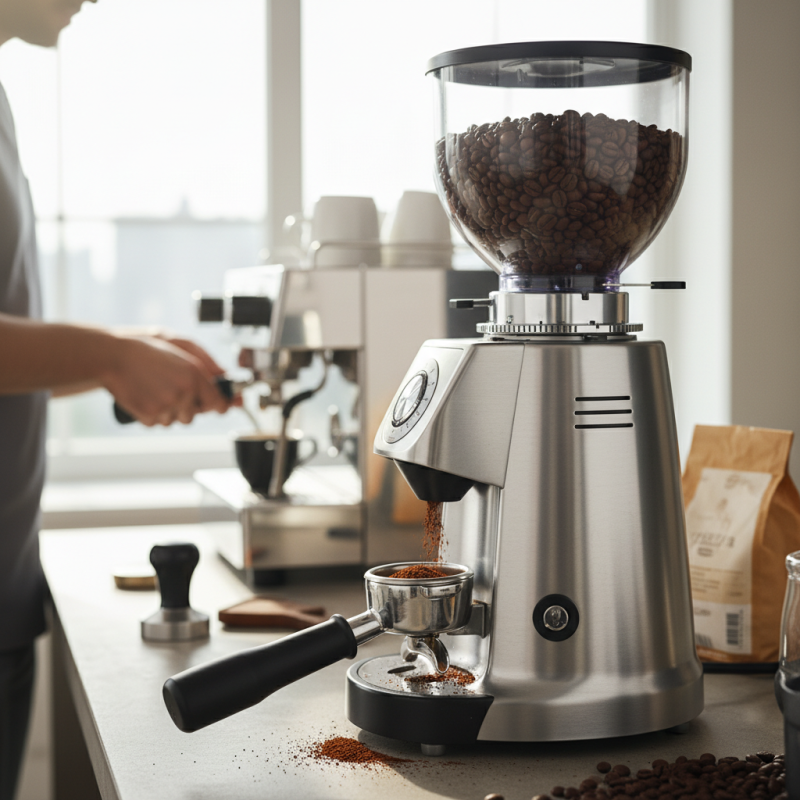
When searching for the best professional coffee grinder, several important factors come into play. The right grinder can significantly enhance your coffee experience. A professional coffee grinder ensures consistent particle size, contributing to better flavor extraction.
Choosing a grinder is not just about price. You need to consider features like grind settings, motor power, and build quality. Many users overlook these details, leading to disappointing results. A quality grinder can elevate your daily routine, making each cup a delight.
Take time to explore options. Research user reviews and expert recommendations. A professional coffee grinder should meet your specific needs, improving your brewing method. Avoid making a hasty decision, as this choice can greatly affect your coffee enjoyment.
Understanding the Different Types of Coffee Grinders Available
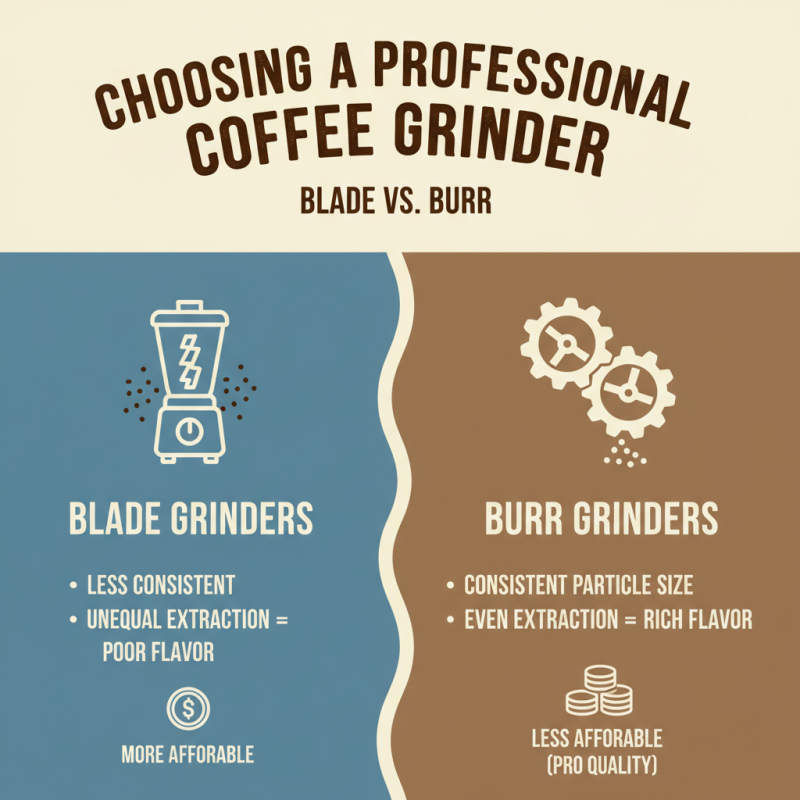
When choosing a professional coffee grinder, understanding the various types is crucial. There are two main categories: blade grinders and burr grinders. Blade grinders are usually more affordable. They are less consistent, leading to uneven extraction. This can impact flavor significantly.
Burr grinders, on the other hand, are the preferred choice among coffee professionals. They crush beans uniformly, ensuring precise control over the grind size. According to a report from the Specialty Coffee Association, consistency in grind size can improve extraction rates by up to 20%. This makes burr grinders ideal for espresso and other brewing methods.
**Tip:** Always consider your brewing method when selecting a grinder. Different methods require different grind sizes. A finer grind suits espresso-making, while a coarser grind works best for French press brewing.
Another aspect to reflect on is noise. Burr grinders tend to be quieter than blade grinders. Many coffee enthusiasts appreciate a quieter grinding experience, especially in a professional setting. However, cheaper models may still produce excess noise and vibration. Investing in a quality grinder can enhance the overall coffee experience.
**Tip:** Research user reviews before purchasing a grinder. Pay attention to feedback regarding noise and durability. It can save you from making a regrettable choice.
Key Features to Consider When Selecting a Professional Grinder
Choosing the right professional coffee grinder is essential for quality brews. Key features can make a significant difference. Look for grind consistency. Uneven grinding can lead to bitter or sour flavors. A study by the Specialty Coffee Association noted that grind uniformity impacts extraction rates.
Another critical factor is the grind size adjustment. A good grinder will offer a range of settings for various brewing methods. Espresso requires a fine grind, while French press needs a coarse one. Having adjustable settings can greatly enhance versatility. A report from the National Coffee Association highlighted that 72% of coffee enthusiasts prefer to tailor their grind size for different brewing styles.
Tips: Always consider the build quality of the grinder. Stainless steel burrs typically last longer than their ceramic counterparts. Also, remember the noise level. A quiet grinder can improve the café experience, especially during busy mornings. Regular maintenance is crucial. Clean the grinder to avoid flavor contamination. A cleaner grinder ensures a more enjoyable cup each time.
Comparison of Key Features in Professional Coffee Grinders
Assessing Grinder Size and Capacity for Your Needs
When selecting a professional coffee grinder, assessing size and capacity is essential. A small grinder may suit personal use, but it won't meet the demands of a busy café. Consider your typical volume of coffee. Do you serve ten cups or a hundred? Your needs should directly influence your choice.
Capacity isn’t just about how much coffee you can grind at once. It also involves the frequency of use. Larger grinders often require more counter space and maintenance. If you have limited room, a compact model might be more practical. Think about where you’ll place it. Will it fit comfortably in your kitchen layout?
Choosing the right grinder can feel daunting. It’s easy to overlook factors like grind consistency and speed. Some machines are noisy, which might disturb patrons. Others might leave coffee grounds unevenly distributed. These small issues can affect flavor. Evaluate all aspects carefully before deciding.
The Importance of Grind Settings and Consistency
When brewing coffee, grind settings play a crucial role. The size of the coffee grounds affects extraction. Finer grinds extract faster while coarse grinds yield slower. Consistency in grind size ensures a balanced flavor and aroma. An inconsistent grind can lead to bitter or sour notes. It’s vital to adjust settings according to brewing methods.
Finding the right grind setting can be challenging. Some users are unsure of where to start. A medium setting might work for drip coffee. Experimentation is key. Adjust gradually to see changes in taste. Small tweaks can make a big difference.
Take notes to track your adjustments. This helps in finding your ideal flavor profile.
Remember, perfection is subjective. What tastes great to one may not appeal to another. It’s okay to make mistakes along the way. Reflect on each brew and its outcome. Learning from these experiments can improve your skills. Enjoying the process is as important as the coffee itself. Strive for consistency, but embrace imperfection!
Budget Considerations: Finding Value in Professional Grinders
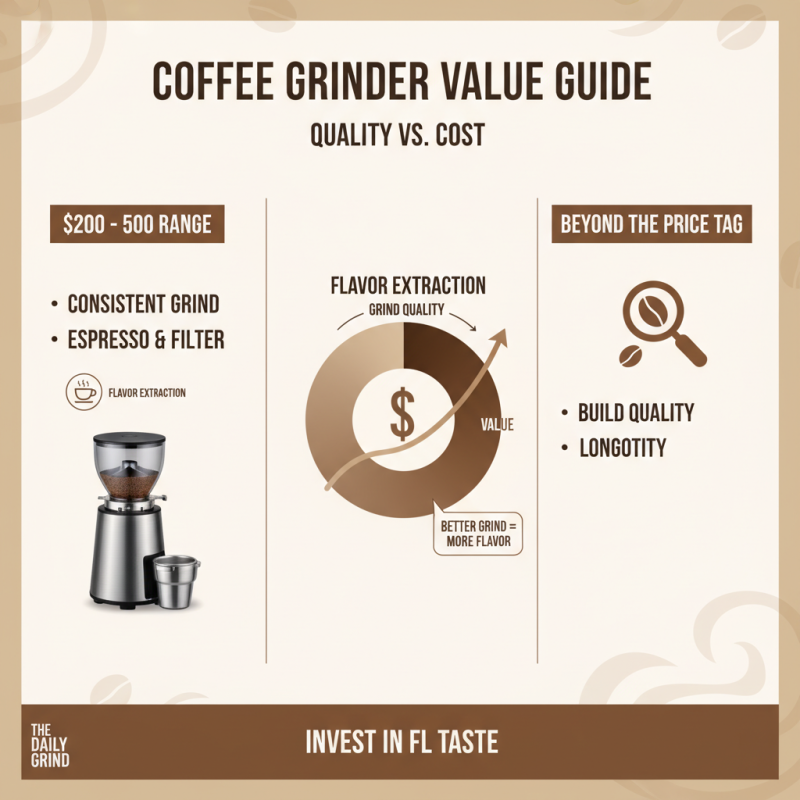
When considering professional coffee grinders, budget isn't just a number. It's about finding the best value. According to recent industry reports, the quality of grind affects flavor extraction significantly. Grinders in the $200 to $500 range often provide consistent grinds suitable for espresso and filter coffee. Yet, the value varies.
Many coffee shops overlook essential features in cheaper models. A notable percentage—about 35%—of baristas prefer grinders that can deliver uniform particle sizes. This consistency greatly impacts brew quality. Investing in a grinder that matches your brewing style is crucial.
Consider the long-term costs too. Cheaper grinders may require more frequent replacements, leading to higher expenses over time. For instance, grinders under $150 often don’t offer the durability needed for heavy use. As a result, spending moderately may be wiser for aspiring coffee professionals. A well-chosen grinder can elevate your coffee's quality, making it a worthwhile expense.