How to Choose the Best Professional Coffee Grinder for Your Business?
The coffee industry is booming, with an estimated value of $102.15 billion in 2020 and expected growth of 4.55% annually. At the heart of this success lies the professional coffee grinder. Choosing the right equipment is crucial for producing high-quality coffee beverages. A professional coffee grinder influences flavor extraction and consistency, directly impacting customer satisfaction.
It's vital to understand that not all grinders are equal. Factors such as grind size, consistency, and durability play a significant role in their performance. Research shows that inconsistent grind sizes can lead to poor coffee flavor. Moreover, investing in a reliable grinder can outlast cheaper alternatives, justifying the initial cost.
However, many businesses overlook the importance of grinding. Some operators might focus solely on the espresso machine or brewing methods. These oversights can hinder your coffee quality. Evaluating grinder options based on your specific needs requires attention to detail. Finding the perfect professional coffee grinder may take time and effort, but it pays off in the long run by enhancing the overall coffee experience for your customers.
Understanding the Importance of a Professional Coffee Grinder
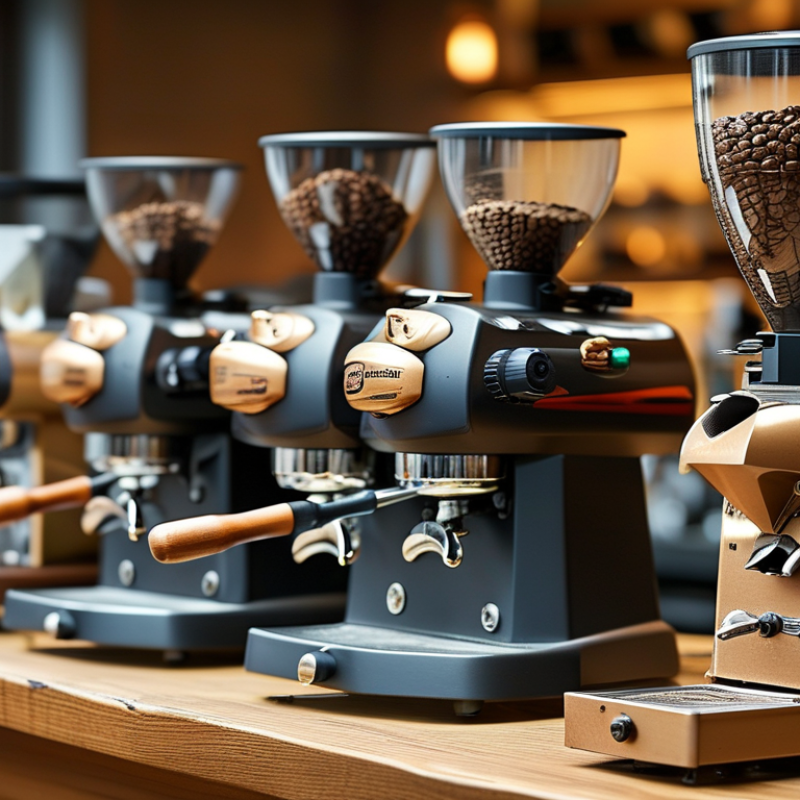
A professional coffee grinder is crucial for any coffee business. It directly impacts the quality of the brew. According to a report by the Specialty Coffee Association, coffee taste is mainly determined by the grind. Uniformity in grind size can enhance extraction and flavor, while inconsistency may lead to bitter or sour notes.
Investing in a high-quality grinder can significantly elevate your coffee offerings. Research shows that approximately 25% of consumers prioritize freshly ground coffee when choosing a café. For businesses, this is a vital consideration. A grinder’s performance can affect customer satisfaction and retention. An ideal grinder should provide consistent particle size and minimize heat generation to preserve flavor integrity.
One common oversight is underestimating maintenance. Regular calibration is key. Even the best grinders may struggle after prolonged use without care. Additionally, operators should be aware not to rush the grinding process, as speed can compromise quality. With careful attention, operators can ensure a consistently excellent product. Focusing on the grinder can set a brand apart in a competitive market.
Key Features to Consider When Selecting a Coffee Grinder
Choosing the right coffee grinder for your business requires careful consideration of several key features. The grinder's capacity is crucial. High-demand cafes may need larger grinders to reduce waiting times. Pay attention to grinding consistency. Uneven grind sizes can affect the flavor of your coffee. Aim for a grinder that offers a range of grind settings for different brewing methods.
Durability is another significant factor. Commercial-grade grinders should withstand heavy use. Look for models made from robust materials. A reliable grinder should require minimal maintenance. Regular monitoring is essential, as wear and tear can impact performance.
Tips: Test the grinder before purchase. This provides insights into handling and noise levels. Consider noise reduction features if your cafe has a small space. Lastly, evaluate the warranty and customer support options. Investing in quality equipment now can save you money later.
Types of Coffee Grinders: Blade vs. Burr
When choosing a coffee grinder for your business, understanding the differences between blade and burr grinders is critical. Blade grinders utilize a rotating blade to chop coffee beans, which can lead to uneven grinding. This inconsistency can result in various extraction rates. A 2020 industry report revealed that unevenly ground coffee impacts flavor profiles significantly, leading to an undesirable taste in brewed coffee.
On the other hand, burr grinders offer a more uniform grind. They work by crushing beans between two rough surfaces, known as burrs. This method allows for better control over the grind size. According to coffee industry experts, a consistent grind is essential for maintaining flavor integrity. Some studies indicate that burr grinders are favored in 85% of specialty coffee shops. This preference underlines their importance in producing high-quality espresso and brewed coffee.
While both grinder types have their pros and cons, the decision should focus on the specific needs of your business. Blade grinders are often more affordable and compact, which can be appealing for smaller operations. However, if quality is your priority, investing in a burr grinder is likely to pay off. Your coffee's flavor is directly tied to your equipment's performance.
Comparison of Coffee Grinder Types: Blade vs. Burr
Evaluating Grinder Capacity and Speed for Business Needs
When choosing a professional coffee grinder, evaluating capacity and speed is essential. Capacity determines how much coffee can be ground in a single batch. This metric is crucial for businesses that serve high volumes. A lower capacity grinder may result in longer wait times, frustrating both staff and customers. Consider the peak hours of your business. A grinder with a larger capacity may be necessary to keep up with demand.
Speed is another critical factor. It refers to how fast the grinder can process coffee beans. A slower grinder might affect the quality by overheating the beans, affecting flavor. However, ultra-fast options can sometimes sacrifice even grind consistency. Businesses need to find a balance. Understanding your daily coffee output can guide your decision. If your clientele prefers freshly ground coffee, invest in grinders that maintain quality while delivering speed.
Not all grinders fit every need. Some establishments might prioritize minimal noise levels over speed, especially in a serene café setting. Reflect on your specific business environment and goals. Talk to experts to gather insights. Regularly reassess if your grinder meets evolving customer demands. What worked last year may not suffice today. Keep questioning if your equipment performs optimally.
How to Choose the Best Professional Coffee Grinder for Your Business? - Evaluating Grinder Capacity and Speed for Business Needs
| Grinder Type |
Capacity (kg/h) |
Speed (RPM) |
Grind Settings |
Price Range ($) |
| Burr Grinder |
2-4 |
500-800 |
20+ |
200-500 |
| Blade Grinder |
1-2 |
1200-1400 |
1-2 |
50-150 |
| Commercial Grinder |
4-8 |
600-1000 |
30+ |
500-1500 |
| Espresso Grinder |
1-3 |
600-1200 |
30+ |
300-800 |
| Grinder-Sifter Combo |
5-10 |
400-700 |
15+ |
700-2000 |
Budgeting for Your Professional Coffee Grinder Investment
Investing in a professional coffee grinder is crucial for your business. A well-chosen grinder can enhance the flavor of your coffee, attracting more customers. However, budgeting for this equipment requires careful consideration.
Start by determining your maximum budget. Professional grinders can range from a few hundred to several thousand dollars. Evaluate your business needs honestly. If you operate a high-volume café, do not skimp on quality. A reliable grinder can significantly impact your overall coffee experience.
When budgeting, don't forget additional costs. Maintenance expenses and replacement parts can add up over time. Seek advice from industry experts or coffee professionals. Their insights can guide you to make informed choices.
Consider purchasing a used model to save costs. Just ensure it meets your quality standards. Investing in a grinder should be seen as a long-term strategy. It’s worth spending time to find something that matches your business’s identity and future growth.