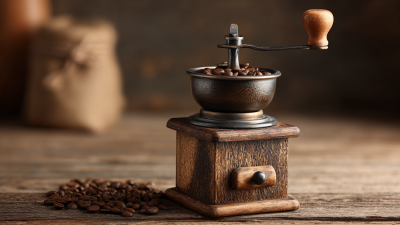
How to Choose the Best Conical Burr Grinder?
Choosing the best Conical Burr Grinder is not simply a matter of comparing prices or counting grind settings. A grinder sits between your beans and your cup, shaping flavor through particle size, heat, speed, and consistency. The right model should match your brewing method, daily routine, and tolerance for noise or cleanup.
Taste comes first. For pour-over coffee, look for stable, uniform grounds that support clear flavors and balanced extraction. Espresso requires finer adjustment, reliable calibration, and enough control to correct small changes in dose or humidity. French press users may value low fines more than extreme precision. These differences matter more than attractive displays or impressive marketing claims.
A practical evaluation should examine burr size, motor performance, retention, adjustment steps, durability, and warranty support. Steel and ceramic burrs can both perform well, although their behavior and maintenance needs differ. A quieter motor may improve morning routines, while a removable hopper can make cleaning less frustrating. I once assumed more settings always meant better control; that view was too simple. Usability often determines whether precision survives beyond the first week.
No grinder is perfect. Even an excellent Conical Burr Grinder may produce inconsistent results when poorly calibrated or filled with stale beans. Reviews are useful, but hands-on testing reveals details specifications cannot show, such as static around the dosing cup or grounds trapped beneath the burrs. This guide focuses on practical evidence, realistic trade-offs, and dependable features, helping you choose a grinder that performs consistently in your own kitchen.

Understanding How Conical Burr Grinders Work
A conical burr grinder crushes coffee beans between two cone-shaped surfaces. One burr rotates inside the other. The outer burr usually stays still. As beans enter the narrow gap, they break into smaller particles.
This shape creates a gradual grinding path. Larger pieces meet the wider entrance first. Finer particles leave through the tighter lower section. The distance between the burrs controls the grind size. A finer setting creates smaller particles, while a wider setting produces a coarser texture. Burr alignment matters too. Uneven spacing can create both powder and large fragments in one dose.
I used to assume that slower grinding always produced better coffee. That assumption was too simple. Lower speed can reduce heat and noise, but burr shape, motor strength, and bean flow also affect performance. Freshly roasted beans may move unevenly, especially when they contain more oil. I check the grounds visually and listen for changes in the motor sound. Clumping is not always a defect, but heavy clumps can cause uneven extraction.
No grinder is perfect. Retained grounds can remain inside the chute or around the burrs. A design with easy access makes cleaning more realistic. When choosing a model, examine its adjustment range, burr material, stability, and dose consistency. A clear setting system helps repeat a recipe, but personal taste still requires small adjustments. Even experienced users sometimes chase precision too far. Age, roast level, humidity, and brewing method can change the result.
Identifying Your Brewing Method and Grind Requirements
Choosing the best conical burr grinder starts with your brewing method, not its appearance.
Espresso needs a fine, consistent grind that resists fast water flow. Pour-over usually requires a medium grind for controlled extraction. French press needs a coarse setting with fewer powdery particles. A narrow adjustment range can frustrate you. It may not support your daily recipe.
The Specialty Coffee Association recommends about 55 grams of coffee per liter of water. Its brewing standards also place balanced extraction near 18–22 percent. These figures provide useful targets, but they are not commandments.
Measure taste before chasing numbers. A sharp, dry cup may indicate over-extraction or excessive fines. A thin, sour cup may need a finer setting, hotter water, or more contact time. Your grinder should make these changes repeatable.
Look for clear adjustment steps, stable burr alignment, and low retention inside the grinding chamber. For espresso, small adjustments matter. For filter coffee, speed and particle consistency matter more.
A practical comparison uses the same beans, dose, water, and brew time. Change only the grind setting.
I sometimes adjust too quickly, then lose track of the useful result. Keep a simple log instead. Record the setting, brewing time, flavor, and any visible clumping. Over time, those details reveal whether the conical burr grinder truly matches your method.
Comparing Burr Materials, Sizes, and Grind Settings
How to Choose the Best Conical Burr Grinder?
Comparing burr materials, sizes, and grind settings matters more than attractive features. The 2024 National Coffee Data Trends report found that 67% of American adults drank coffee the previous day. More daily brewing makes consistency increasingly important. Conical burrs guide beans through a narrowing gap, producing useful results for espresso, filter coffee, and French press. Stainless steel burrs usually resist chipping and tolerate frequent use. Ceramic burrs stay cooler during grinding, but they can fracture after a hard impact. Neither material guarantees better coffee.
Burr diameter affects speed and heat management. Larger burrs process beans with fewer rotations, which may reduce heat during busy morning sessions. Small burrs can still perform well, especially for one or two cups. Look beyond the number of settings. A grinder with 40 vague clicks may offer less control than one with 20 precise adjustments. The SCA Brewing Handbook identifies grind size as a major variable affecting extraction time and flavor. In practice, espresso needs tiny, repeatable changes; filter coffee needs broader, cleaner adjustment steps. My own mistake was trusting settings alone. Bean age, roast level, and humidity changed the result.
Tips:
Choose metal burrs for heavy use and ceramic burrs for careful, occasional brewing. Test one setting at a time. Record dose, grind position, and brewing time. If coffee tastes sharp, grind slightly finer. If it tastes dry, move coarser. Clean retained grounds weekly. That small habit often matters more than another adjustment click.
Evaluating Motor Power, Speed, and Grinding Consistency
A good conical burr grinder should match your brewing habits, not just display a high wattage number. Motor power helps the grinder handle dense beans without frequent stalling. However, wattage alone does not guarantee better coffee. I once chose a powerful grinder and overlooked its uneven feeding. The result was fast grinding, but a muddy cup.
Speed also affects flavor and temperature. Faster burrs can shorten grinding time, yet they may create more heat and fines. These tiny particles can make coffee taste bitter or overly dry. A slower motor often gives better control, especially for lighter roasted beans. Look for adjustable speed settings and a motor that runs smoothly under load. Listen for changes in pitch. Straining sounds may signal stress or poor alignment.
Tips: Test the grinder with the coffee you actually drink. Check whether the grind looks uniform under bright light. Brew the same dose twice and compare flow time. Small differences matter. Burr alignment, bean feeding, and retention can influence consistency as much as motor power. I still find visual checks imperfect, so taste remains the final judge. A grinder that produces a slightly wider range may suit one brewer better than a technically tighter model.
How to Choose the Best Conical Burr Grinder?
Evaluating motor power, speed, and grinding consistency
The benchmark combines practical grinder specifications: motor power supports load handling, lower burr speed generally helps reduce heat and improves control, and grinding consistency is the most important indicator for repeatable extraction. A higher consistency score is preferable, while power and speed should be balanced rather than maximized.