How to Choose the Best Flat Burr Grinder for Espresso?
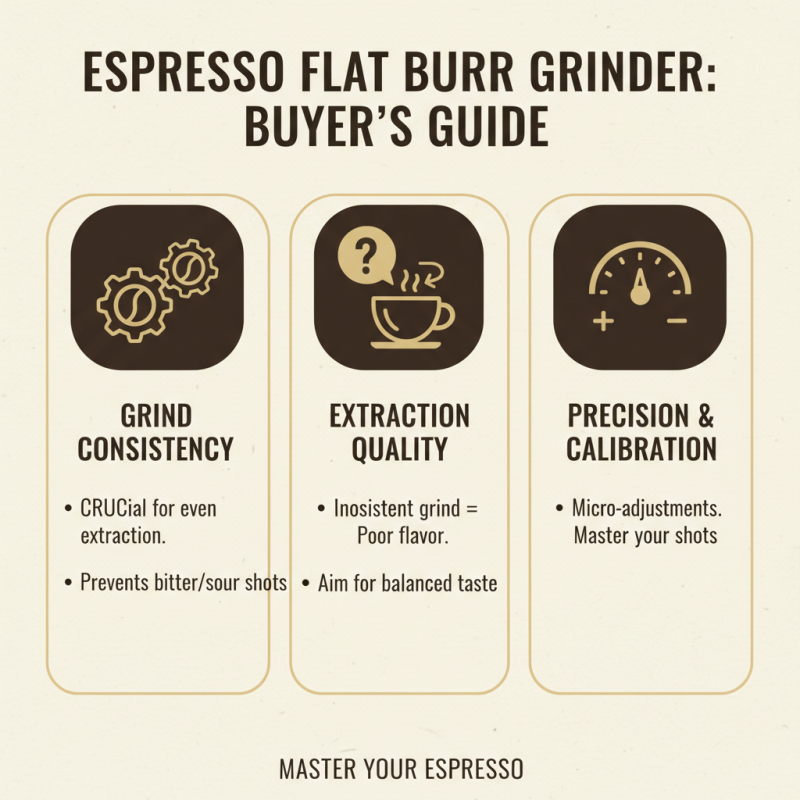
The art of espresso-making heavily relies on the choice of equipment, notably the Flat Burr Grinder. According to a 2022 report from the Specialty Coffee Association, over 70% of coffee professionals emphasize the importance of grind consistency for optimal flavor extraction. This statistic highlights the necessity of selecting a top-notch grinder, as it plays a pivotal role in the brewing process.
Industry expert, Dr. Emily Stone, a renowned barista educator, states, "The right Flat Burr Grinder can transform the espresso experience." Her insight reflects a trend among coffee enthusiasts and professionals who recognize that a superior grinder is essential. However, many still underestimate the impact of grind size on espresso quality.
Choosing the best Flat Burr Grinder is not straightforward. With numerous models and features available, the decision can be daunting. Different grinders have varied mechanisms and settings, making it crucial to understand your needs. Even slight variations in grind size can lead to significant differences in taste and aroma. Therefore, thoughtful consideration is necessary before making a purchase.
Understanding Flat Burr Grinders: What Sets Them Apart from Others
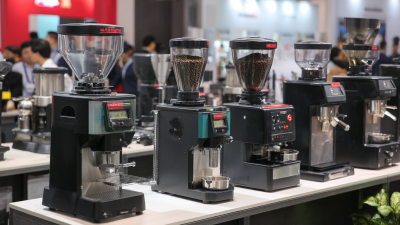
When exploring flat burr grinders, understanding their uniqueness becomes essential. Flat burr grinders utilize two parallel grinding surfaces. These surfaces create a consistent grind size, crucial for espresso. Research shows that uniform particle size enhances extraction efficiency. In contrast, conical grinders may produce varied sizes, leading to inconsistent flavors.
The grind quality is paramount in espresso preparation. Studies indicate that even a slight variation in grind size can impact the brew's taste. For espresso, a fine and even grind is key. Flat burr grinders typically achieve this, but not all models are equal. One report highlighted that some entry-level flat burr grinders still struggle with consistency. Users often report frustration with uneven grinds, which can affect extraction and flavor.
Another critical factor is speed. Flat burr grinders generally operate at lower speeds, reducing heat buildup. Excessive heat can alter coffee flavor. However, some options skimp on features to reduce cost, leading to potential overheating issues. Investing in a quality model aids in achieving a perfect balance of grind size and heat management. Ultimately, careful selection of a flat burr grinder can substantially enhance the espresso experience.
Assessing Grinder Size and Capacity for Espresso Needs
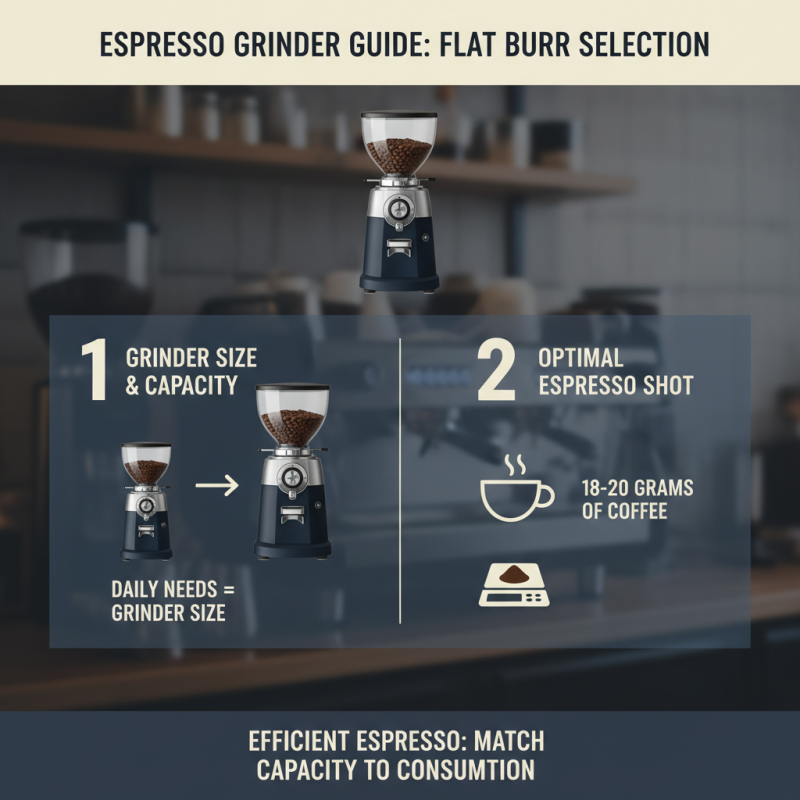
When selecting a flat burr grinder for espresso, grinder size and capacity are crucial. Understanding your daily espresso needs is essential. A typical espresso shot requires approximately 18-20 grams of coffee. Therefore, a grinder with a capacity that meets this demand is vital for efficiency.
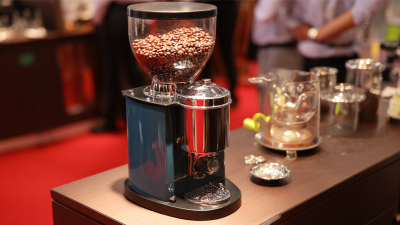
Many experts suggest a grinder with a hopper capacity of at least 300 grams. This ensures fewer refills during busy periods. A larger hopper helps maintain consistency in grind size. Consistency directly impacts the flavor profile of the espresso. Reports show that uneven grind sizes can cause extraction issues, leading to bitter or sour flavors.
Tip: Always choose a grinder with adjustable grind settings. This feature allows you to perfect your espresso shot. Fine tuning can significantly improve your brewing experience. A problematic grind can frustrate even the most seasoned barista.
Capacity matters, but so does the design. A bulky grinder might fit your needs but take up too much space. Assess your kitchen layout. Consider where you’ll keep the grinder. While it’s tempting to choose the biggest size, practicality is key. A medium-sized model might serve your needs just as well.
Tip: Measure the space before making a purchase. This way, you avoid regret later on.
Exploring Different Burr Materials and Their Impact on Flavor
When choosing a flat burr grinder for espresso, the material of the burrs plays a pivotal role. Steel and ceramic burrs are the most common options. Steel burrs are durable and provide a consistent grind. They can produce a rich flavor profile, but they might generate some heat during grinding. This heat can alter the coffee's taste. Ceramic burrs, on the other hand, tend to stay cooler. They offer a different texture to the grind but may wear down faster than steel.
Each burr material interacts with coffee beans in unique ways. Steel burrs tend to preserve the oils in the beans, contributing to a robust and full-bodied espresso. In contrast, ceramic burrs might produce a lighter, brighter taste due to their different grinding action. It's essential to consider how these materials affect the flavor you desire. Many coffee enthusiasts spend time tasting and comparing different grinds. It's a delicate balance, and experimenting is key to finding your ideal match.
Also, remember that grind size consistency matters greatly. Irregular grinds can lead to uneven extraction. This can ruin the complexity of your brew. Too fine a grind may result in bitterness, while too coarse could lead to sourness. Reflecting on these factors will help in choosing the best burr grinder for your espresso journey.
How to Choose the Best Flat Burr Grinder for Espresso? - Exploring Different Burr Materials and Their Impact on Flavor
| Burr Material |
Grind Consistency |
Heat Retention |
Durability |
Flavor Profile Impact |
| Stainless Steel |
Excellent |
Moderate |
High |
Balanced |
| Ceramic |
Good |
Low |
Moderate |
Mellow |
| Titanium Coated |
Very Good |
Moderate |
Very High |
Bright |
| Burrs with Non-Stick Coating |
Good |
Low |
Moderate |
Neutral |
| High Carbon Steel |
Excellent |
High |
High |
Rich |
Evaluating Design Features and Usability of Flat Burr Grinders
When evaluating flat burr grinders, design features play a crucial role. The choice of materials can affect durability and efficiency. Look for grinders with a sturdy housing to withstand regular use. A lightweight grinder might feel easy to handle, but it may lack stability. The placement of the grinding chamber is also important. An accessible chamber simplifies cleanup and makes your routine smoother.
Usability is another key factor. Adjustable grind settings enable you to fine-tune your espresso preparation. Ease of use can be compromised if controls are overly complex. A grinder that feels intuitive can enhance your daily ritual. Noise levels might not seem crucial, yet they impact your environment. A quiet operation allows you to enjoy your coffee-making moments without disturbance.
It's vital to consider how easy the grinder is to maintain. Grinders that require frequent deep cleaning can be a hassle. Many users overlook this aspect, leading to long-term issues. Always reflect on how your choice will fit into your lifestyle. Investing in a quality grinder should ultimately improve your espresso experience, making the evaluation process worthwhile.