What is an Espresso Grinder and How Does it Work?
The Espresso Grinder is essential for crafting the perfect espresso. It transforms coffee beans into an even grind, unlocking flavor potential. According to industry reports, over 60% of coffee enthusiasts consider grind quality as crucial.
Grinders not only influence taste but also impact brewing consistency. A good Espresso Grinder ensures uniformity, critical for espresso extraction. However, many users overlook maintenance, leading to inconsistent results. Proper cleaning and calibration can enhance performance, yet many neglect these steps.
In the evolving coffee landscape, the nuances of grinding are pivotal. As more people turn to home brewing, understanding the anatomy of an Espresso Grinder becomes vital. Without this knowledge, even high-quality beans can disappoint. There’s always room for improvement in the grinding process.
What Is an Espresso Grinder? An Overview of its Functionality
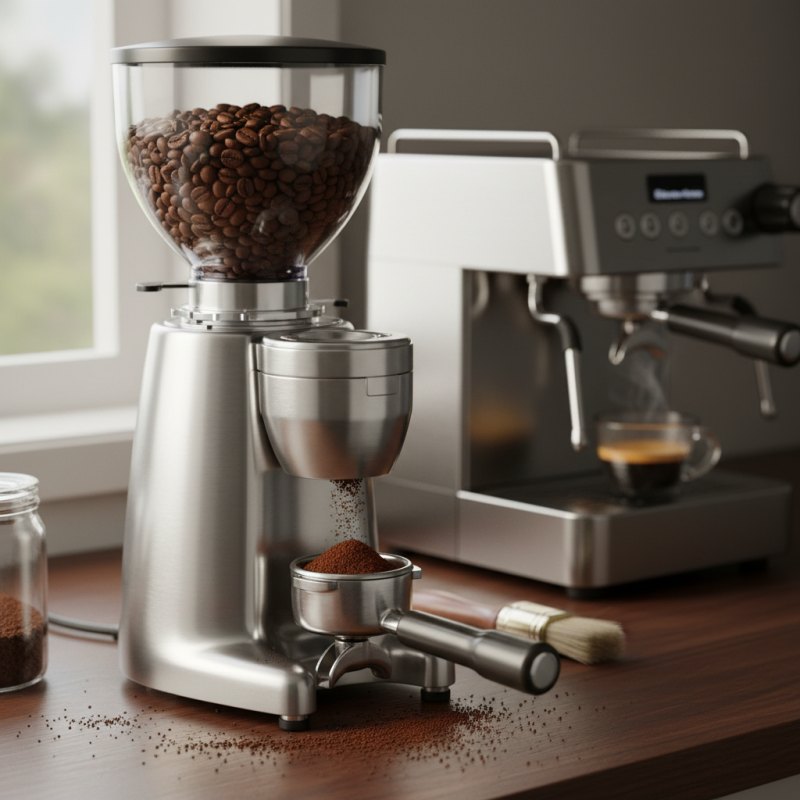
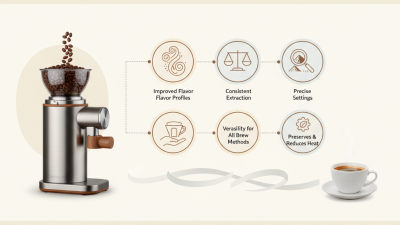
An espresso grinder is a specialized tool that transforms coffee beans into the fine particles needed for brewing espresso. These grinders use burrs, which crush the beans, producing a consistent texture. The grind size is crucial; too coarse, and the espresso lacks richness. Too fine, and it can become bitter, resulting in a poor-tasting shot.
What sets espresso grinders apart is their precision. Many models allow users to adjust the grind size easily. This adaptability enhances your brewing experience. However, not every grind is perfect. Time and practice help achieve the best results. Beginners might find it challenging to get the grind just right. It's a journey of trial and error.
Cleaning is another essential aspect. A clean grinder ensures pure flavors. Yet, many overlook this simple task. Ignoring maintenance can lead to residue buildup, affecting your coffee quality. Making great espresso is a delicate balance between technique, equipment, and a bit of patience.
The Importance of Grinding for Espresso: Particle Size and Extraction
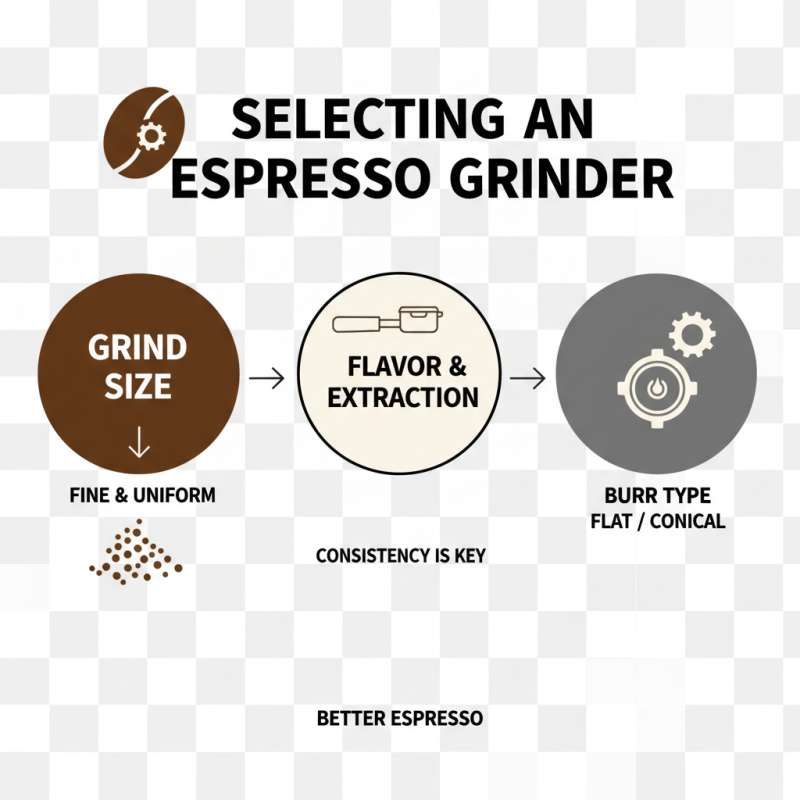
Grinding is crucial for making great espresso. The size of the coffee particles directly influences the extraction process. If the grind is too fine, the espresso can become bitter. If it's too coarse, the flavor might be weak. Finding the right balance is key to brewing a balanced shot.
Tip: Always adjust your grinder settings based on the beans you’re using. Different beans require different grind sizes. Experimenting is essential for a perfect shot.
Consistency in grinding is vital. Uneven particles can lead to uneven extraction. This makes some flavors too intense and others barely noticeable. It can be frustrating to get it just right. It may take time and practice, but adjusting your technique will yield better results.
Tip: Pay attention to your grinder’s burrs. Dull burrs can affect grind size and quality. Regular maintenance makes a significant difference. Tracking your espresso shots and making notes can also help refine your process. Try to learn from each extraction.
Types of Espresso Grinders: Burr vs. Blade and Their Mechanisms
Espresso grinders are essential for brewing the perfect cup of espresso. They come in different types, most notably burr and blade grinders. Each type has its own mechanism that influences the grind quality and flavor extraction.
Burr grinders utilize two revolving abrasive surfaces to crush the beans. This method ensures uniform particle size, which is crucial for espresso. The grind can be adjusted precisely, allowing for greater control over the brew. On the other hand, blade grinders chop the beans using a spinning blade. This can create uneven coffee grounds, which might lead to over-extraction of some particles and under-extraction of others. The result? A less balanced flavor profile, and sometimes, a bitter taste.
Selecting the right grinder is a journey. Some might find burr grinders more practical and effective. However, not everyone can afford them. Blade grinders are often more accessible, yet they may lack consistency in grind size. The key is to identify what matters most for your espresso experience. Embracing imperfections in the grinding process can lead to surprising flavors and textures in the final cup.
How Espresso Grinders Work: The Grinding Process Explained
Espresso grinders play a crucial role in crafting the perfect cup of espresso. Understanding the grinding process is essential for achieving that rich flavor and aroma. The grinder's main job is to transform coffee beans into a fine, even powder. The grind size directly impacts extraction and flavor.
Inside an espresso grinder, there are usually burrs that crush the beans rather than slice them. This method provides a more consistent grind. When beans are ground, they release oils and gases. This process creates that rich essence we love in espresso. However, not all grinders achieve the same results. Some may leave clumps or uneven particles. This can affect the taste.
The grinder adjustment allows users to control the fineness of the grind. Too fine and the espresso can be bitter; too coarse and it lacks flavor. It takes practice to find the right balance. Noticing the differences in taste can be enlightening. It is a continuous learning process, as coffee lovers strive to refine their brewing techniques.
Espresso Grinder Performance: Burr Size vs. Grind Consistency
Key Features to Consider When Choosing an Espresso Grinder
When selecting an espresso grinder, several key features warrant attention. The grind size is crucial. Espresso requires a fine grind. This can affect the flavor and extraction time. Look for grinders that can achieve consistency at this setting. A uniform grind leads to better results.
Another important aspect is the grinder's build quality. Materials should be durable and reliable. A sturdy machine can resist wear and tear over time. The grind speed is also a factor. Faster grinders may produce heat, impacting flavor. Slower grinders tend to preserve bean integrity, which is essential for taste.
Consider the hopper size too. Larger hoppers allow you to grind more beans at once. This can be convenient for daily use but may lead to stale grounds if not properly managed. Lastly, think about the price. A very cheap grinder may limit your coffee experience. Sometimes, investing more pays off in taste and quality.