Leave Your Message

Top Commercial Grinder Suppliers for Global Buyers

Global coffee demand is expanding, and grinder performance increasingly influences beverage quality, labor efficiency, and operating costs. The USDA Foreign Agricultural Service’s Coffee: World Markets and Trade report forecast global coffee production above 175 million 60-kilogram bags for 2024/25. That volume represents a vast equipment opportunity, but it also raises procurement pressure. A dependable Commercial Grinder must deliver consistent particle size during busy service, not only impressive results during factory testing.

The Specialty Coffee Association highlights grind consistency, calibration, and extraction control as important quality variables. Buyers should therefore compare burr geometry, motor cooling, dosing accuracy, service access, voltage options, and spare-parts availability. Scott Rao, a respected coffee consultant and author, has said, “The grinder is the most important piece of equipment in a coffee shop.” His point remains practical. A café can own excellent beans and skilled baristas, yet still lose flavor through uneven grinding.

Leading suppliers differ considerably. Some focus on high-volume automatic dosing, while others prioritize low-retention specialty coffee workflows. Established manufacturers may offer stronger distributor networks, but smaller specialists can provide more responsive customization. Neither claim should be accepted without evidence. Global buyers should request test data, warranty terms, maintenance records, and references from comparable operations. On-site trials are even better. A grinder that performs smoothly at 200 drinks daily may struggle at 1,000.

This guide examines top Commercial Grinder suppliers through performance, reliability, support, and total ownership cost. The evaluation is useful, but not absolute. Local water quality, technician access, and operator habits can change the final decision.
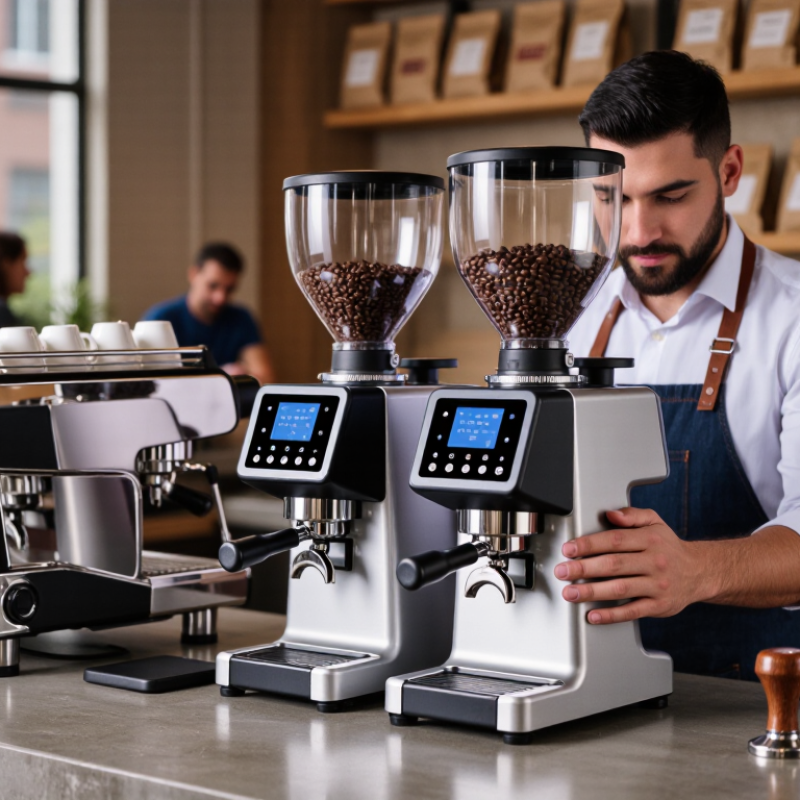
Top Commercial Grinder Suppliers for Global Buyers

Commercial Grinder Suppliers: Market Scope and Buyer Requirements

Commercial grinder suppliers serve cafes, food factories, laboratories, and institutional kitchens. The market spans compact countertop units and continuous-duty production systems. Buyer requirements change with material, output, and cleaning routines. Coffee needs stable particle size. Spices may require low heat and odor control. Grain processing often demands stronger motors and larger feed chambers. A supplier’s catalog is only the starting point. Ask for test results using your actual ingredients.

Experienced buyers examine throughput, motor rating, burr or blade material, noise, dust control, and service access. Electrical compatibility matters across global markets, including voltage, frequency, plug type, and applicable safety documentation. Request drawings, spare-parts lists, warranty terms, and realistic delivery schedules. Total cost includes installation, consumables, downtime, and technical support. Samples can expose problems that brochures hide. We sometimes overvalue maximum capacity; consistent performance at normal load may matter more. This point deserves reflection.

Tips: Compare at least three qualified suppliers using one written checklist. Ask each supplier to explain cleaning time and expected component life. Confirm production capacity with a real material sample. Review inspection records before shipment. Keep communication documented. A clear paper trail reduces avoidable disputes, although it cannot replace practical testing. Pay attention to small details. A loose adjustment knob or unclear manual can slow an entire operation.
Key Grinder Types and Their Commercial Applications

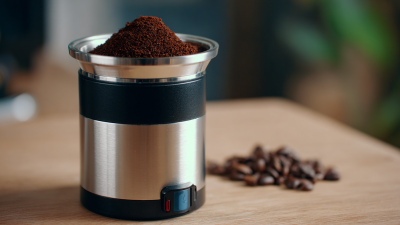
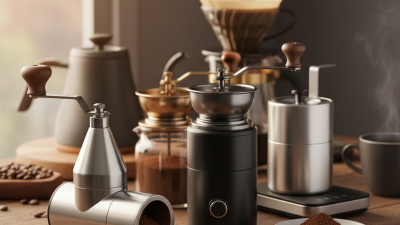
Commercial grinder suppliers serve very different production needs, so grinder selection should begin with the material and workflow. Burr grinders create consistent particles for cafés, hotels, and packaged coffee lines. They support precise brewing and reduce uneven extraction. Blade grinders cost less, but their particle size varies more. That weakness matters in quality-focused operations.

Industrial spice grinders use hardened cutting systems and adjustable screens. Food processors need controlled heat, easy cleaning, and steady output. Grain mills handle cereals, flour, and animal feed with different chamber designs. Meat grinders require strong augers, sanitary surfaces, and dependable throughput. In every case, buyers should check motor power, hourly capacity, noise, and maintenance access. A larger motor does not always mean better performance. Energy use can rise unnecessarily.

Tips: Ask suppliers for material-specific test results. Confirm voltage, plug type, spare-part availability, and local service support before ordering. Request samples from your own production process. A catalogue may look convincing, yet real particles can behave differently. Leave space around the machine for cleaning and ventilation. Also, review safety guards and applicable food-contact requirements for each destination market. Small details often decide whether a grinder performs smoothly or becomes an expensive interruption.

How to Evaluate Suppliers, Product Quality, and Certifications

Top Commercial Grinder Suppliers for Global Buyers

Choosing a commercial grinder supplier requires more than comparing prices. Request production samples and test them with the same beans, dose, and brewing method. Check grind consistency, motor stability, noise levels, heat control, and adjustment accuracy. A reliable supplier should explain burr material, expected service life, and cleaning procedures clearly. Ask for batch records, inspection reports, and photographs from actual production lines. A polished brochure can still hide uneven quality.

Tips: Verify certifications independently. Check the certificate number, issuing body, product scope, and expiration date. Certifications may cover electrical safety, materials, or factory management, but not every performance claim. Confirm whether the certificate applies to the exact model you will purchase. Also review export documents, packaging tests, warranty terms, spare-part availability, and response times. Small details matter.

Professional buyers should request a written quality agreement before placing a large order. It should define acceptable defects, testing methods, labeling, and replacement procedures. Compare suppliers through a transparent scorecard, not personal impressions. A low quotation may reflect weaker components or limited after-sales support. However, expensive equipment is not automatically better. This is where judgment can fail. Recheck assumptions after field testing, especially if grinding results vary between machines. Reliable suppliers welcome technical questions and provide evidence without avoiding difficult answers.

Global Pricing, Production Capacity, and Shipping Considerations

For global buyers, commercial grinder sourcing depends on landed cost, not factory price alone. Compare burr materials, motor ratings, testing procedures, and spare-part availability. The World Bank’s 2023 Logistics Performance Index shows major differences in customs efficiency, shipment tracking, and delivery reliability. These factors matter when equipment travels thousands of kilometres. A supplier offering regional assembly may shorten lead times. Still, verify monthly output, current utilization, quality records, and backup production plans.

Model pricing at three levels: ex-works, FOB, and delivered cost. Include inspection, insurance, duties, inland transport, tooling, and payment fees.

UNCTAD’s Review of Maritime Transport 2023 states that over 80% of global merchandise trade by volume moves by sea. Ocean freight is economical, but schedules can change. Port congestion and seasonal surcharges can erase an attractive quotation. Request a twelve-month capacity plan and at least two shipping scenarios. Forecasts are not promises.

Tips: Compare three written quotations with identical specifications. Require sample-grind tests, noise readings, energy data, and warranty response times. The International Coffee Organization’s 2024 market reports highlight continued coffee-price volatility. That instability can influence roaster expansion plans and supplier lead times. Recheck assumptions quarterly. Reserve replacement burrs and control boards before launch. It is less glamorous, but often more practical.

Supplier Selection Criteria for Different Buyer Profiles

Commercial grinder buyers should begin with application, not catalog size. A café chain needs stable particle distribution, fast service, and repeatable settings across locations. Ask suppliers for test data using your own beans, roast levels, and daily volume. A polished sample is not enough. Request motor duty cycles, burr life estimates, noise readings, and cleaning instructions. Field experience shows that vague maintenance language often creates expensive downtime later.

Small cafés need flexibility and approachable support. They may value compact equipment, simple calibration, and spare parts stocked near their market. A food manufacturer needs a different standard: throughput records, dust control, safety compatibility, and documented quality procedures. Confirm factory capacity during peak months. Distributors should examine packaging, training materials, warranty response times, and export documentation. Ask who handles a failed unit after arrival. Silence is a warning.

Large institutional buyers should assess total cost over three years, not only purchase price. Compare energy use, service labor, replacement components, and expected shipping delays. Reliable suppliers provide traceable specifications, realistic lead times, and references from similar operations. Independent audits or verifiable certifications can strengthen confidence, but certificates alone prove little. I would also score communication during the quotation stage. It reveals how problems may be handled later. Some selection decisions remain imperfect. A supplier may meet every metric yet lack local technicians. Record that risk clearly, then negotiate training, spare inventory, and response targets before signing.

Top Commercial Grinder Suppliers for Global Buyers - Supplier Selection Criteria for Different Buyer Profiles
Buyer Profile Typical Application Recommended Grinder Type Key Capacity Requirement Critical Selection Criteria Important Technical Specifications Service and Compliance Requirements Suggested Evaluation Weight
Independent Specialty Coffee Shop Espresso preparation with moderate daily customer traffic Commercial on-demand espresso grinder Approximately 3–8 kg of coffee per day Grind consistency, low retention, dosing accuracy, compact footprint, and simple daily cleaning Stepless or fine grind adjustment; programmable single and double doses; burr diameter commonly 64–83 mm; hopper capacity around 1.2–2.0 kg Local technical support, replaceable wear parts, electrical compatibility, and food-contact material documentation High
High-Volume Café Chain Continuous espresso production across multiple locations Heavy-duty commercial espresso grinder Approximately 10–30 kg of coffee per day per location Thermal stability, fast recovery, long-duty-cycle performance, repeatable dosing, and standardized settings Burr diameter commonly 75–98 mm; powerful motor; active or improved heat management; programmable dosing; accessible burr replacement Multi-site training, preventive maintenance plans, spare-parts availability, service-level agreements, and consistent model supply Very High
Hotel and Hospitality Group Breakfast service, lobby cafés, restaurants, and banquet operations Versatile espresso grinder with high operator usability Approximately 5–20 kg of coffee per day, depending on outlets Ease of use, noise control, quick training, durable housing, flexible dosing, and reliable operation during peak periods Programmable dose settings; hopper safety features; robust external controls; burr sizes typically 64–83 mm; optional portafilter support International warranty coverage, multilingual manuals, installation assistance, safety certifications, and predictable lead times High
Restaurant and Catering Operator Espresso service alongside food preparation and other beverage equipment Compact commercial grinder with flexible workflow Approximately 2–10 kg of coffee per day Space efficiency, straightforward controls, low maintenance, resistance to frequent cleaning, and good value over the service life Compact body; programmable timed dosing; burr diameter commonly 58–75 mm; adjustable outlet; removable or easy-access hopper Clear cleaning procedures, readily available consumables, basic operator training, and compatibility with local power standards Medium–High
Coffee Roaster and Wholesale Supplier Product demonstrations, sample preparation, training, and customer support Precision espresso grinder and dedicated filter grinder Variable usage with emphasis on accuracy rather than continuous volume Adjustment range, particle-size consistency, low retention, calibration repeatability, and compatibility with different roast profiles Wide grind adjustment range; high-quality burr geometry; precise dosing control; easy calibration; optional large hopper or bellows system Technical documentation, burr-performance data, calibration support, spare-burr availability, and reliable export packaging Very High
Supermarket and Retail Coffee Counter Customer-facing beverage preparation with standardized menus Automated or semi-automated commercial grinder Approximately 5–15 kg of coffee per day Operator safety, quick training, consistent dosing, low mess, easy cleaning, and resistance to frequent user turnover Clear digital or mechanical controls; programmable doses; anti-static design; hopper safety lock; burr diameter commonly 64–83 mm Retail-ready documentation, electrical and safety conformity, responsive service network, and efficient replacement-part logistics High
Mobile Coffee Business Events, markets, mobile carts, and temporary service locations Compact, durable grinder with moderate power demand Approximately 1–6 kg of coffee per day Portability, vibration resistance, compact dimensions, low power consumption, fast setup, and simple cleaning Compact hopper; stable base; single-phase compatibility; programmable dosing; burr diameter commonly 55–75 mm; manageable operating weight Robust packaging, clear voltage options, mobile-use warranty terms, accessible replacement parts, and short delivery times High
Institutional Buyer or Public-Sector Facility Universities, hospitals, offices, transportation hubs, and staff dining facilities Reliable commercial grinder designed for standardized operation Approximately 3–15 kg of coffee per day Total cost of ownership, reliability, safety, accessibility, procurement transparency, and documented maintenance procedures Durable motor; overload protection; programmable dosing; clear user interface; food-safe contact surfaces; serviceable burr assembly Formal quotations, required certifications, warranty documentation, service response commitments, and lifecycle cost analysis Very High
Import Distributor and Regional Reseller Supplying multiple commercial customers across a defined market Broad product range covering entry, mid-range, and high-volume applications Demand varies by customer segment and sales territory Product breadth, wholesale economics, order flexibility, packaging quality, market fit, and dependable replenishment Multiple voltage and frequency options; standardized spare parts; clear model differentiation; configurable hopper and burr options Export experience, stable production capacity, private-label or distributor support where applicable, documentation, and channel protection Very High
Global Procurement Team Centralized purchasing for operations in multiple countries Globally serviceable commercial grinder platform Based on a standardized fleet across multiple regions International conformity, supply continuity, model standardization, data security for connected equipment, and total landed cost Country-specific electrical configurations; documented power consumption; durable burr system; optional remote monitoring; modular service design ISO-aligned quality processes, international warranty terms, multilingual documentation, audited supply chain, and regional service coverage Very High

Evaluation priorities should be adjusted according to daily throughput, local power standards, operator skill level, service availability, import requirements, and total cost of ownership.