Best Automatic Coffee Grinder for Perfect Brew Every Time?
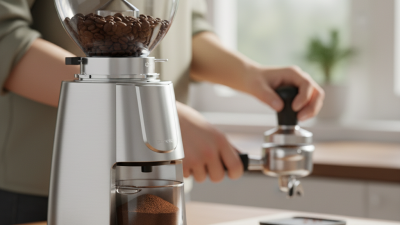
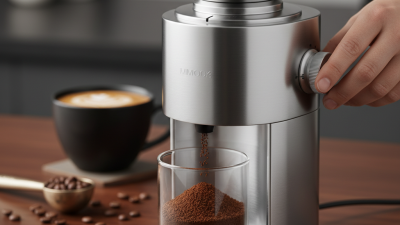
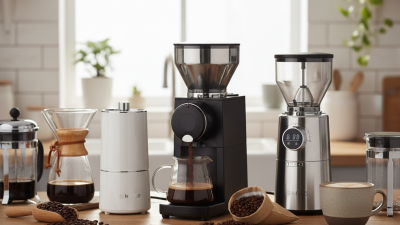
For coffee enthusiasts, the right grind makes all the difference. “The quality of the grind is just as important as the quality of the beans,” says James Hoffmann, a renowned coffee expert and author. An Automatic Coffee Grinder ensures you achieve the perfect consistency for your brew every time.
With advancements in technology, these grinders offer convenience and precision. They can grind beans to your preferred coarseness, enhancing flavor extraction. However, not all automatic grinders are created equal. Some may lack the finesse needed for specialty coffee brewing. This can leave you questioning the true value of your investment.
It’s essential to choose wisely. Look for features that cater to your brewing style. Some models may disappoint, failing to deliver the desired texture. In a world filled with options, protecting your coffee experience requires careful consideration. An Automatic Coffee Grinder should elevate your morning ritual, but it must also provide reliability and excellence.
Understanding the Importance of a Good Coffee Grinder
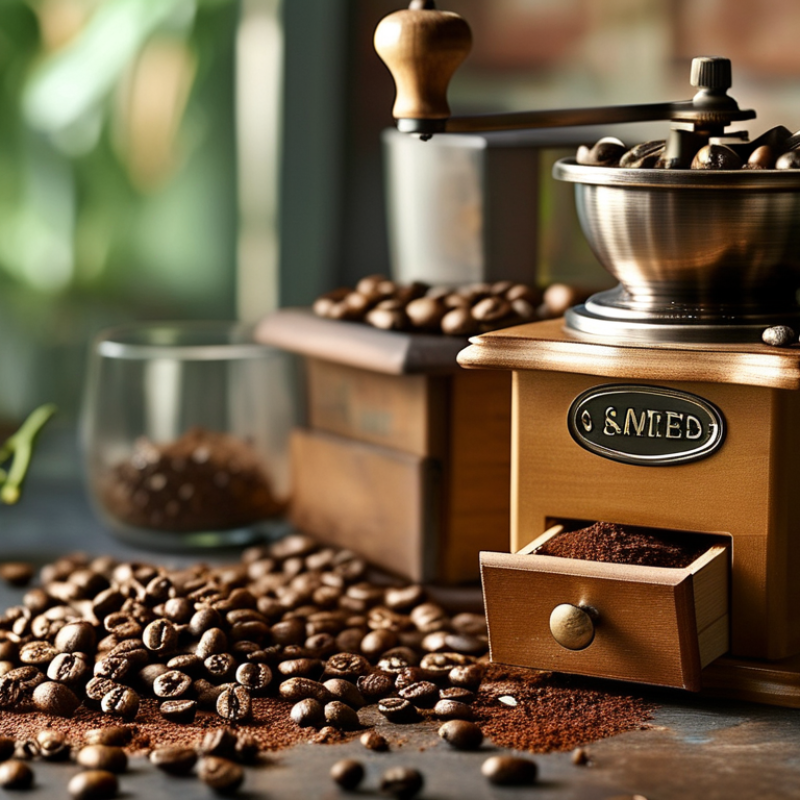
A good coffee grinder can significantly impact your coffee's flavor. Research shows that uneven grind sizes lead to inconsistent extraction. This inconsistency can affect taste. For instance, a study by the Specialty Coffee Association noted that a consistent grind ensures uniform extraction, enhancing aroma and flavor. A better grinder can elevate your morning brew.
Choosing an automatic grinder can simplify the process. These grinders often offer various settings for grind size and consistency. A report by the National Coffee Association suggests that such adjustments allow users to cater to different brewing methods. However, not all automatic grinders are created equal. Some models might leave fine grinds clumped, affecting your brew's quality. Regularly clean and calibrate your grinder for optimal performance.
Pay attention to grind size for your specific brewing method. For espresso, a fine grind is crucial, while a coarser grind works best for French press. Adjusting grind size can drastically change flavor. Ensure you measure your coffee beans accurately too; the right coffee-to-water ratio matters. Exploring and experimenting with these variables can lead to a more enjoyable coffee experience.
Grind Size vs. Brew Method Effectiveness
Types of Automatic Coffee Grinders: Burr vs. Blade
When choosing an automatic coffee grinder, the debate often centers around burr versus blade grinders. Burr grinders crush coffee beans between two abrasive surfaces. This method promotes a uniform grind size, essential for consistent extraction during brewing. A well-ground coffee can enhance flavor notes and aroma, making your morning brew more enjoyable.
On the other hand, blade grinders use a rotating blade to chop the beans. While they can be less expensive, they tend to produce uneven particle sizes. This inconsistency can lead to over-extraction or under-extraction. If you enjoy experimenting with different brewing methods, an uneven grind might not deliver the best results.
Each type of grinder has its pros and cons. Burr grinders are often preferred by coffee enthusiasts for their reliability and precision. However, some users find them cumbersome to clean. Blade grinders, while convenient, may require more attention to achieve even grinds. In understanding these differences, you can make an informed choice that aligns with your brewing preferences and practical needs.
Best Automatic Coffee Grinder for Perfect Brew Every Time
| Grinder Type |
Grind Consistency |
Speed (RPM) |
Price Range |
Ease of Cleaning |
| Burr Grinder |
High |
400-1200 |
$50 - $500 |
Moderate |
| Blade Grinder |
Low |
2000-3000 |
$20 - $100 |
Easy |
Key Features to Look for in an Automatic Coffee Grinder
When choosing an automatic coffee grinder, consider grind consistency. A grinder that delivers even size particles allows for optimal extraction. This ultimately enhances the flavor profile of your coffee. Uneven grinds can lead to over-extraction or under-extraction, resulting in a bitter or sour taste.
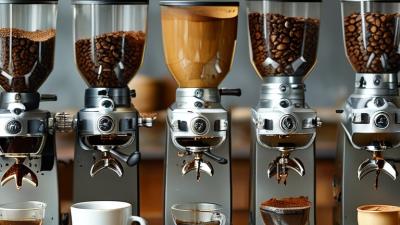
The grind settings are also essential. Look for a grinder that offers multiple settings for different brewing methods. Whether you prefer espresso, pour-over, or French press, adjustable options make a difference. A grinder with a timer can also help ensure uniformity in grind time.
Noise level is another important feature. Some grinders can be quite loud, disrupting the peaceful morning routine. Finding a quieter model can add to the overall brewing experience. Durability matters too. A high-quality grinder withstands daily use without degrading performance. We should also reflect on our choices, as sometimes we prioritize aesthetics over functionality, which can lead to regret.
How Grind Size Affects Your Coffee Brew
The grind size of your coffee beans significantly impacts the brewing process and your overall cup quality. Research indicates that a coarser grind is ideal for methods like French press, while a finer grind suits espresso preparations. A University of Colorado study found that an incorrect grind size can lead to bitterness or under-extraction in your brew, affecting taste and aroma.
In an experiment conducted by the Specialty Coffee Association, participants reported a 40% difference in flavor notes between appropriately ground coffee and poorly ground alternatives. For instance, a medium grind produced a balanced flavor profile, allowing acidity and sweetness to shine. Conversely, a very fine grind resulted in an over-extracted brew, often described as overly bitter.
Precision in grind size is critical. Each brewing method requires a specific range to maximize extraction. It is easy to overlook this aspect, yet even slight variations in grind size can alter your drink's character. A common mistake is using the same grind for every brewing technique. Coffee enthusiasts are encouraged to experiment and adjust, refining their preferences over time. Understanding the science behind grind size can take your coffee experience from average to extraordinary.
Top Recommendations for Automatic Coffee Grinders on the Market
When choosing an automatic coffee grinder, several factors come into play. The grind size is crucial for the perfect brew. Fine grinds are ideal for espresso, while coarser ones suit French press lovers. Different grinders have various settings, and this can impact your coffee's flavor profile significantly. A grinder that allows you to adjust these settings can enhance your morning rituals.
Another important aspect is the grinder's durability. Many models are available, but not all can withstand daily use. It's essential to invest in a grinder that combines performance with longevity. Pay attention to the materials used. A well-constructed machine will prevent wear and tear and maintain consistent grind quality.
Some users report issues with noise levels during operation. A quieter grinder might be worth considering for those in shared living spaces. Additionally, ease of cleaning should not be overlooked. Grinders that are easy to disassemble save time and effort. Regular maintenance can prolong the lifespan and maintain the grinder’s function. Always think critically about your choices and what aligns with your brewing style.