Choosing a Commercial Espresso Grinder is a practical decision with a direct effect on every cup. The right machine should suit your menu, service pace, staff skills, and budget. A busy café needs more than a high grind-speed rating. It needs dependable dosing, consistent particle size, and adjustments baristas can make quickly during a rush.
Coffee consultant and author Scott Rao is often credited with this reminder: “The grinder is the most important piece of equipment in a café.” The point is clear: grinder performance shapes espresso extraction, while a clever feature list cannot guarantee a balanced shot. Small details matter. Consider burr type and size, dose control, grind-by-weight options, heat management, noise, cleaning access, and the cost of replacement parts. Then compare those features with your daily drink volume and the espresso you actually serve.
This guide will help you weigh those choices without treating one specification as the whole answer. It will cover grinder types, burrs, workflow, maintenance, and buying considerations, with attention to the trade-offs behind each option. A spreadsheet can narrow the field, but it cannot taste the espresso. Nor can any single model suit every café. I would be cautious about choosing by brand reputation alone; even a respected grinder can frustrate a team if its workflow does not fit. The best choice is the one your staff can use consistently, clean confidently, and maintain over time.
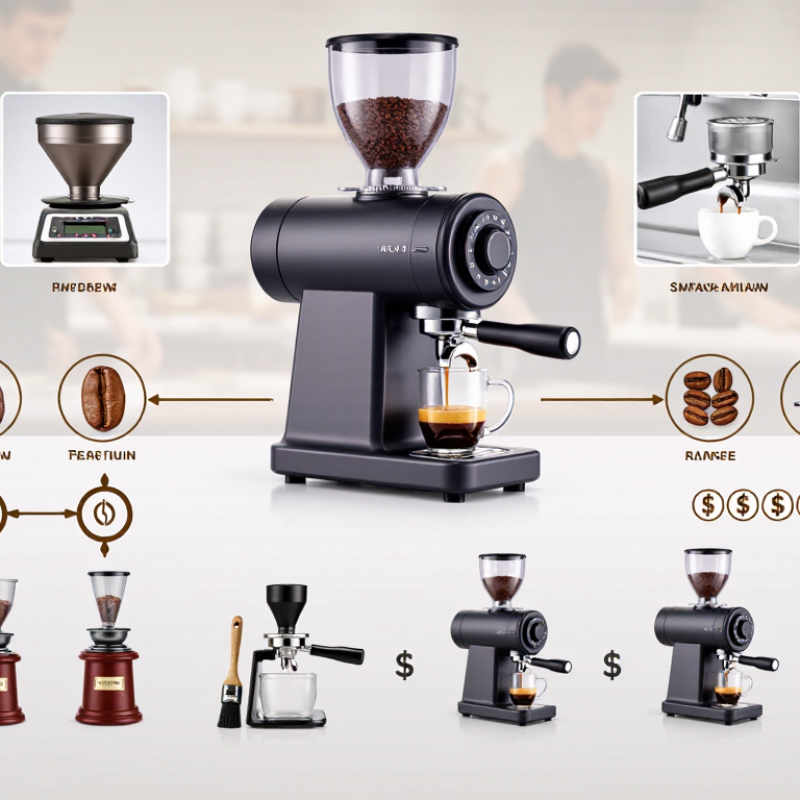
Start with the busiest hour, not the average day. Count the espresso drinks your team makes during a genuine rush. A café serving 25 drinks in an hour has different needs from one serving 90. Check whether the grinder can keep pace without long pauses or overheating. Watch the queue, too. A fast grinder cannot fix a cramped counter or a poorly placed knock box.
Your menu matters just as much. Several espresso blends, decaf, and frequent bean changes may call for separate grinders or a setup that makes switching straightforward. For a focused menu, a large hopper and consistent dosing may be more practical. Ask staff to test the adjustment controls with the beans you actually use. Small changes count. A dial that feels easy in a showroom may become frustrating during a noisy morning rush.
Map the full workflow before you buy. Note where beans are stored, where shots are pulled, and how often the hopper needs refilling. Compare the grinder’s footprint, cleaning steps, and adjustment range with those daily tasks. A practical trial can reveal more than a specification sheet: time several back-to-back orders and check whether doses stay consistent. Be honest about the result. Your busiest shift may not fit a neat test, so revisit the choice after staff have used the grinder in normal service.
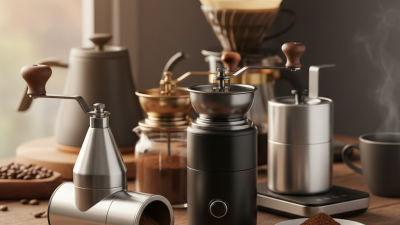
Commercial espresso grinders generally use flat or conical burrs, and each design shapes daily workflow differently. Flat burrs cut beans between parallel discs. They often produce a more uniform particle distribution, which can support clear, repeatable shots. Conical burrs use a cone-shaped inner burr and a ring-shaped outer burr. Their geometry can handle steady service well, though results depend on burr size, alignment, and adjustment. Neither design guarantees better espresso. That part is easy to overstate.
Grinder type matters, too. On-demand models grind directly into a portafilter, helping staff prepare fresh doses during busy periods. Doser models collect grounds in a chamber, which can speed up repeated portions but may leave older coffee behind. Single-dose grinders suit shops that switch beans often, but staff must weigh each dose and manage the extra steps. Watch the counter during a rush. Small delays add up. Compare retention, adjustment range, noise, and cleaning access, not just grind speed. A grinder that looks efficient on paper may feel awkward beside a crowded espresso machine. And the best choice can still involve a compromise.
A commercial espresso grinder should produce grounds with a consistent texture, not a mix of powder and visible chunks. Uneven particles can cause water to flow too quickly in some areas and slowly in others. Pull several shots while keeping the dose and brew time steady. Watch whether the espresso runs evenly and tastes balanced. Consistency matters. A single good shot is not enough to judge a grinder.
Adjustability helps staff respond to different beans, humidity, and service demands. Check whether the grind setting can be changed in small, repeatable steps. Make sure adjustments are easy to reach during a busy shift. Dosing features matter too: timed dosing can speed up service, while manual dosing gives baristas direct control. Test whether the grinder delivers similar amounts across repeated doses. Small differences add up. A built-in scale may help, but it also adds another feature to maintain.
Tips: Bring your usual beans when testing. Grind a small amount, inspect the grounds, then pull a shot. Note the setting and dose. Ask more than one barista to try it; their results may differ, and that is useful information. Clean the grinder before judging its performance, since old grounds can affect aroma and flavor.
For “How to Choose the Best Commercial Espresso Grinder,” size capacity for the rush, not the daily average. Estimate the busiest hour’s doses, then check the grinder’s stated output and cooling requirements. A machine that keeps pace for ten minutes may overheat during a sustained queue. Ask for a workload test using your usual beans and dose; record grind time, clumping, and heat around the burr chamber. Small details matter. A serviceable burr set, accessible adjustment parts, and clear maintenance intervals can reduce downtime. Confirm replacement-part availability before purchase, not after a worn burr slows service.
Noise deserves a real check on the counter. Measure at the barista’s position during a busy period, since short grinding bursts can add up across a shift. OSHA sets an 85 dBA action level for an eight-hour time-weighted average; NIOSH recommends limiting occupational exposure to 85 dBA over eight hours, using a 3 dB exchange rate (OSHA, 29 CFR 1910.95; NIOSH, Criteria for a Recommended Standard: Occupational Noise Exposure, 1998). These are exposure benchmarks, not grinder ratings. Ask for a sound reading under load, and listen for rattling that could signal loose parts. Maintenance needs are easy to underestimate. Daily cleaning, burr inspection, and periodic calibration take staff time; log them for two weeks before deciding whether the routine is practical. A little inconsistency in the log is normal—but repeated missed cleaning is a warning.
| Decision factor | What to check | Practical comparison guide | Why it matters | How to verify |
|---|---|---|---|---|
| Hopper capacity | Usable bean capacity, whether the hopper can be removed, and whether a smaller hopper is available. | Compare the stated capacity in kilograms with expected bean use between refills. A larger hopper reduces refill frequency but does not, by itself, indicate higher grinding speed or daily capacity. | Helps plan refills and manage how long beans remain in the hopper. | Check the specification sheet and test loading, removing, and cleaning the hopper. Confirm whether the stated capacity is a maximum or a recommended fill level. |
| Grinding capacity and workflow | Grind speed, dose consistency, recovery between doses, and performance during sustained service. | Compare grinders using the same coffee, grind setting, dose weight, and operating conditions. A single advertised speed may not reflect performance at espresso fineness. | A grinder that keeps pace with peak orders can reduce queues and dosing delays. | Time several consecutive doses at the intended setting and weigh them. Repeat after sustained use to check for changes in dose time or consistency. |
| Burrs and durability | Burr material, burr dimensions, replacement availability, motor duty rating, and access to service parts. | Prioritize a documented burr-replacement interval and service support. Burr life varies with burr design, coffee, grind setting, and volume, so avoid relying on a single universal lifespan figure. | Replaceable parts and clear service procedures can reduce downtime and ownership costs. | Ask for the recommended burr-change interval, replacement-part costs, warranty terms, and the local service process. |
| Noise | Sound level during grinding, vibration, and whether the motor runs only while grinding or also between doses. | There is no single noise level that suits every café. Compare units in person under the same conditions and at the same distance; room acoustics and surrounding equipment affect perceived noise. | Noise can affect staff communication and the customer experience, especially in small or open-plan spaces. | Listen during repeated grinding in a realistic service setting. If measuring sound, use the same meter position and operating conditions for each grinder. |
| Cleaning and maintenance | Access to the burr chamber, removable parts, cleaning instructions, and tools required for routine care. | Prefer a design that allows routine cleaning without unnecessary disassembly. Follow the manufacturer’s instructions; cleaning frequency depends on use and coffee oils. | Accessible maintenance helps preserve performance and makes daily cleaning more practical. | Ask staff to demonstrate the cleaning procedure and check how long it takes, which parts must be removed, and whether reassembly affects settings. |
| Dosing and adjustment | Timed or weight-based dosing options, grind adjustment range, and ease of returning to a previous setting. | Choose controls that match the workflow. Test whether adjustments are easy to make and whether the grinder can hold a stable setting during normal operation. | Repeatable dosing and clear controls can make service more consistent across shifts. | Run repeated doses, record dose weights and times, and have more than one staff member use the adjustment controls. |
| Space and electrical requirements | Overall dimensions, clearance for the hopper and portafilter, voltage, frequency, and rated power. | Compare the grinder’s full operating footprint—not just its base—with the available counter space and the café’s electrical supply. | Ensures the grinder fits safely and can be installed without blocking nearby equipment or work areas. | Measure the counter and overhead clearance, then confirm electrical requirements with the product specifications and a qualified installer. |
| Service support and total cost | Warranty, service response, availability of burrs and other parts, and routine maintenance costs. | Compare expected operating and service costs over the intended ownership period, rather than purchase price alone. | Support and parts availability can affect the cost and duration of downtime. | Request written warranty details, a parts list, and estimated costs for common service items before purchasing. |
A commercial espresso grinder should match your busiest realistic service period, not an imagined rush. Estimate drinks per hour, then check the grinder’s stated output and recommended duty cycle. A machine that keeps pace during a morning queue can prevent rushed dosing and uneven shots. But extra speed costs money and counter space. Measure twice. Include the grinder’s footprint, bean-hopper height, and room to remove the grounds bin. Leave space for staff to work without bumping the scale or portafilter. It is easy to underestimate cleaning space, even with a careful plan.
Set a budget that includes more than the purchase price. Ask about burr replacement intervals, routine cleaning, warranty coverage, and access to qualified service. These details can matter more than a small difference in advertised speed. If you serve several espresso recipes, consider whether simple, repeatable adjustments are enough, or whether your workflow needs more precise control. Keep it practical. A compact grinder may suit a narrow bar, while a higher-capacity model may better serve sustained volume. Try to test the grinder with your usual beans and dose, if possible. One tasting is not proof; record shot times and taste results across several doses. I would not choose on specifications alone. The space behind the machine and the habits of the staff can change what “best” means.