Leave Your Message

10 Portable Coffee Grinder Tips for Choosing the Best

A good cup on the road often begins before the kettle boils. The National Coffee Association’s 2024 National Coffee Data Trends report found that 67% of U.S. adults had coffee the previous day, showing how firmly coffee fits everyday routines. That figure does not measure portable-grinder sales or prove that every traveler wants freshly ground beans. It does, however, explain why compact brewing gear deserves careful attention.

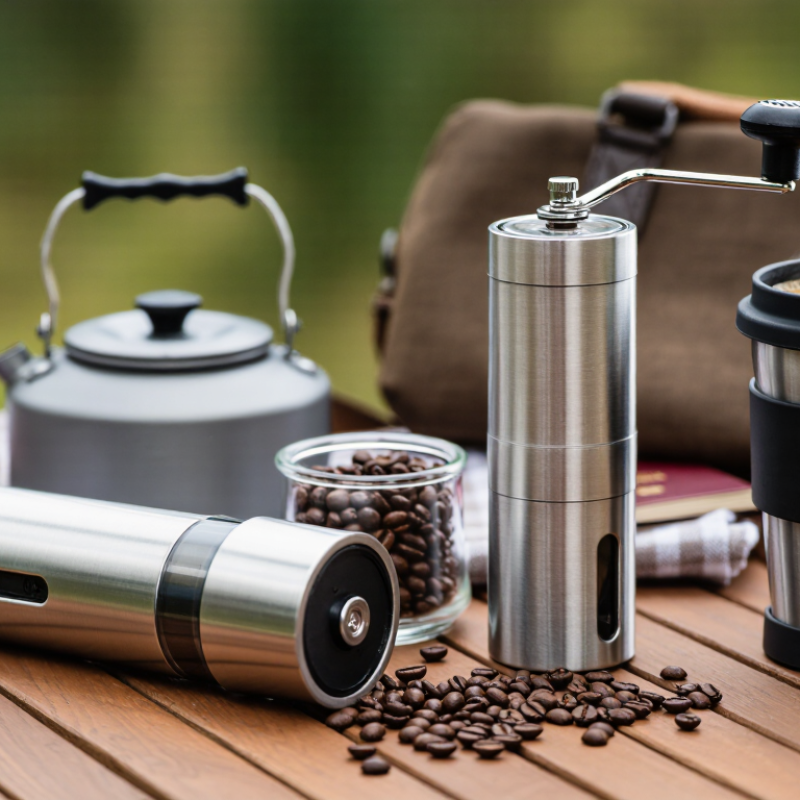
A Portable Coffee Grinder must do more than fit beside a mug. Burr design, grind adjustment, capacity, weight, and cleaning all affect its usefulness. A grinder that handles espresso-fine settings may feel frustrating if its adjustment slips, while a lightweight model can struggle with a full dose. Small, but revealing. Consider how the handle feels in your hand, whether grounds cling inside the chamber, and how long one serving takes. These details matter when you are standing beside a campsite table or packing for a flight.

The ten tips ahead focus on practical checks, not impressive-looking specifications alone. Compare burr materials and adjustment steps, then check capacity against your usual brew size. Look for sturdy construction and parts that are easy to clean. The NCA report offers useful context about coffee habits, but it cannot rank grinders; product specifications and hands-on testing are still essential. There is a catch: no single model suits every brew method or trip. A little compromise is normal. The best choice is the one you can use consistently, without turning a simple morning coffee into a chore.
10 Portable Coffee Grinder Tips for Choosing the Best

Define Your Brewing Needs and Travel Routine

Before choosing a portable grinder, picture an ordinary morning on your trip. Will you brew one cup in a hotel room, make coffee at a campsite, or share a larger pour-over? Your answer affects capacity, grind adjustment, and how much effort you can tolerate before breakfast. A compact hand grinder saves battery power, but grinding several servings can feel slow. Small details matter.

Tips: Count your daily cups. Check the grinder’s capacity. Match its settings to your brewing method. Look for a secure adjustment dial. Consider grip comfort. Check how easily it comes apart. Prefer parts you can clean with a brush. Think about noise in shared rooms. Leave space for beans and grounds. Test the packed weight in your bag.

Your routine matters as much as the grinder itself. If you change brewing methods, choose a model with clear, repeatable settings; otherwise, dialing in each cup may become a guessing game. I would test the grinder at home with the beans and brewer I plan to bring. Keep it simple. A grinder that travels well but strains your wrist may stay unused. And a tiny capacity sounds convenient until you need a second cup.
Compare Burr and Blade Grinding Mechanisms

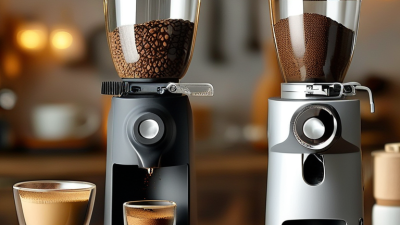
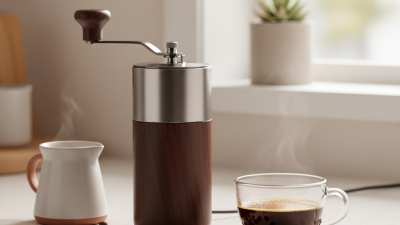
Portable coffee grinders usually use burrs or blades, and the difference can show up in your cup. Burrs crush beans between two textured surfaces. This produces more even grounds, helping water extract flavor consistently. It matters with pour-over, where uneven particles can taste both thin and bitter. Burr grinders may be slower or heavier, though. Small hand models also need steady turns.

Blade grinders chop beans with a spinning metal blade. They are often lighter, simpler, and less expensive. But particle size varies: powder can collect near the blade while larger pieces bounce around. Shaking the grinder between short pulses may reduce clumps, but it will not make the grind uniform. Noise can be sharp. Brief use limits heat, but repeated long bursts may warm the grounds.

Tip: Match the mechanism to your brewing routine. For travel pour-over or French press, a burr grinder offers better control over grind size. Check its adjustment steps, handle comfort, and whether the catch cup stays secure in a bag. For occasional coffee or a tight budget, a blade model may be enough; weigh beans first and use short pulses. Cleanup is easy to overlook. Fine dust hides under lids, and stale residue can dull a fresh cup. Try a small batch before a trip.

Evaluate Size, Weight, Materials, and Durability

A portable coffee grinder should fit the way you actually travel, not just look compact on a shelf. Measure the space in your bag and check the grinder’s height with its handle attached. A narrow cylinder may slide beside a water bottle, while a wide body can be awkward in a crowded pack. Small details matter. Consider how much coffee it holds, too. A tiny chamber may suit one cup but require repeated refills for two people.

Weight is a trade-off. A lighter grinder is easier to carry on a long walk, but very light construction can feel less stable during grinding. If possible, hold it and turn the handle before buying. Notice whether the body shifts on a counter or the grip strains your fingers. That small test can reveal more than a product description. I still find it easy to underestimate how annoying a loose handle becomes after several mornings.

Materials affect comfort and service life. Metal bodies often resist everyday knocks, though they may add weight; plastic can reduce weight but deserves a close look at seams and stress points. Check whether the burrs are securely mounted and whether parts can be removed for cleaning. Coffee dust gathers around threads. A grinder that is difficult to clean may get neglected, even if it feels sturdy at first. Look for clear care instructions and inspect moving parts periodically; wear is gradual, not always obvious.

Check Grind Settings, Capacity, and Ease of Use

A portable coffee grinder is useful only when it suits your brewing routine. Check its grind settings before judging its size or appearance. French press coffee needs coarse, even grounds, while pour-over usually calls for a finer setting. If the adjustment dial has only a few steps, test whether they cover the methods you actually use. A setting chart can help, but your beans and taste still matter. Small details matter.

Capacity affects how often you need to grind. If you make one cup, a small chamber may save space and reduce leftover grounds. For two cups, check whether it holds enough beans in one batch. Also look at the handle and lid: a loose cap can spill beans in a backpack. I have found that listed capacity can feel different in daily use, so consider your usual dose, not just the biggest number.

Tips: Turn the adjustment dial and feel for clear, repeatable steps. Try grinding a small dose before travel; note how long it takes and whether grounds cling inside. Check that the handle folds or detaches without tools. If cleaning seems awkward at home, it will likely be worse on a trip. A little mess is normal, but difficult access can become annoying fast. Don’t overlook comfort: a narrow grip may tire your hand, even during a short grind.

10 Portable Coffee Grinder Tips for Choosing the Best

Check grind settings, capacity, and ease of use. Start by matching the grinder’s usable capacity to the amount of coffee you brew.

These approximate example doses illustrate how much coffee different brew sizes may require; recipes vary. Choose a grinder with enough usable capacity for your usual dose, and check whether it can grind consistently for your preferred brew method.

Review Cleaning, Maintenance, and Overall Value

A portable coffee grinder earns its place through consistent results and easy care. Before buying, check whether the burrs can be reached without special tools. A small brush should clear grounds from the chamber and adjustment ring. Keep it nearby. Coffee oils collect faster than many people expect, especially after dark roasts.

For routine cleaning, empty the grinder and brush away loose particles after use. Wipe the outside with a dry cloth. Avoid rinsing the burr assembly unless the instructions specifically allow it; trapped moisture can cause corrosion or stale-smelling residue. Let every removable part dry fully before reassembly. I once rushed this step, and the next batch tasted oddly flat. It was probably my mistake, but it is easy to repeat.

Maintenance affects value as much as the purchase price. Look for replaceable burrs, clear care instructions, and parts that are easy to access. A sturdy hand crank may outlast a fragile folding handle, though it can feel tiring during several cups. Check how much coffee remains inside after grinding, too. Retained grounds waste beans and complicate cleaning. A lighter model is convenient on a walk, but tiny parts are easier to lose. Test the lid and adjustment dial with cold hands if possible. Small annoyances matter. A grinder that is simple to clean may serve better than one with extra settings you rarely use.

10 Portable Coffee Grinder Tips for Choosing the Best - Review Cleaning, Maintenance, and Overall Value

Tip What to Check Why It Matters Practical Review Guidance Value Consideration
1. Choose burrs for more consistent grounds Check whether the grinder uses burrs or a blade, and note the burr material. Burrs crush beans between surfaces; blade grinders chop them, which can produce a less even particle size. For repeatable brewing, favor an adjustable burr grinder. Steel and ceramic burrs are both used; neither material alone guarantees better results. Prioritize grind consistency over decorative features when comparing prices.
2. Match capacity to your usual brew Look for the stated bean capacity and compare it with your typical dose. Many single-cup brews use roughly 15–20 g of coffee, while larger servings may need more. Portable grinders commonly hold a single serving rather than a full bag. A capacity around 20–30 g can suit many one-cup routines; check whether the grinder can handle your preferred dose in one batch. A larger capacity is useful only if you regularly need it; a compact model may be easier to pack.
3. Test the adjustment range Review the available grind settings and how easily they can be changed and repeated. Different methods typically call for different grind sizes: espresso is fine, pour-over is medium, and French press is coarse. Look for clear, stable adjustment steps and confirm that the range suits the brewing methods you use. A useful range is more valuable than a high setting count if many settings are difficult to distinguish.
4. Consider hand-grinding effort Assess handle length, grip, stability, and how smoothly the crank turns. Grinding requires manual effort, and harder or lighter-roasted beans can feel more demanding to grind. If possible, test a full dose. A comfortable handle and steady body can make repeated grinding easier. A smoother mechanism may be worth a higher price if you grind coffee by hand every day.
5. Check portability beyond size Compare the grinder’s weight, packed dimensions, and whether the handle or parts detach. A small footprint helps with packing, but total weight and loose components also affect travel convenience. Check the listed dimensions and weight, then consider how the grinder will fit in your bag or travel kit. For frequent travel, a protective case or securely stored handle can add practical value.
6. Look for simple, dry cleaning Check whether the grounds chamber and accessible parts can be removed for cleaning. Retained coffee particles and oils can become stale and affect the aroma of later brews. Use a soft, dry brush to remove loose grounds. Avoid rinsing burrs or internal parts unless the manufacturer’s instructions specifically allow it. Easy access for routine brushing can save time and help keep the grinder usable for longer.
7. Review maintenance needs Look for clear instructions on reassembly, burr care, and replacement parts. Incorrect reassembly can affect adjustment or grinding performance, while worn burrs may eventually need replacement. Prefer a design with understandable maintenance instructions and parts that can be identified and obtained. Repairable parts can improve long-term value compared with a grinder that must be replaced after wear or damage.
8. Check build quality and bean retention Inspect the body, crank connection, adjustment mechanism, and the amount of coffee left inside after grinding. A loose handle or unstable adjustment can make grinding less convenient; retained grounds may mix with a later dose. Read reviews for repeated reports of wobble, slipping settings, difficult assembly, or unusually high retention. Reliable construction matters most when the grinder will be packed, carried, and used frequently.
9. Compare noise and travel suitability Consider where and when the grinder will be used, such as at a campsite, hotel, or shared room. Manual grinders avoid motor noise, but grinding still creates sound from the crank, beans, and burrs. Look for user feedback about operating noise and whether the grinder remains stable on a small surface. Quiet operation and a secure grip can be especially valuable in shared or early-morning settings.
10. Judge overall value over time Compare the purchase price with durability, cleaning effort, available parts, and performance for your brewing style. The lowest initial price does not necessarily mean the lowest long-term cost if the grinder is uncomfortable or difficult to maintain. Rate consistency, portability, ease of use, cleaning, and maintenance separately before making an overall judgment. Estimate value as purchase cost divided by expected years of use, while considering replacement parts and daily convenience.