Top Coffee Grinders for Perfect Brewing Every Time?
In the world of coffee, choosing the right grinder can transform your brewing experience. Renowned coffee expert James Hoffman states, "The grind is where the magic begins." This highlights the critical role of top coffee grinders in achieving that perfect cup. Selecting the right one can be overwhelming, given the array of options available.
Top coffee grinders offer precision and consistency, essential for extracting the best flavors from coffee beans. Many grinders promise perfection, yet not all live up to their claims. Factors such as grind size and uniformity matter significantly. A poor grinder can ruin even the highest quality beans.
Understanding your brewing method is essential when choosing from top coffee grinders. For instance, espresso requires a fine grind, while French press needs coarser textures. Choosing the wrong grinder can lead to disappointing results. Your journey to the perfect brew begins with the right choice. Remember, it’s about finding balance and not just picking the trendiest model.
Importance of Coffee Grind Size in Brewing Quality
The grind size of coffee beans plays a crucial role in the brewing process. When you choose the right grind, it affects the flavor and strength of your coffee. A coarser grind works well for methods like French press, while a finer grind is more suitable for espresso. This difference in texture directly impacts how water extracts flavors from the coffee.
Not all grinders are created equal. Some produce uneven grinds, leading to inconsistent flavor in your cup. This inconsistency can be frustrating for coffee lovers. A good grinder should provide uniform particle sizes, ensuring even extraction.
Experimentation is essential. You may find yourself adjusting grind sizes to perfect your brew. Finding the ideal grind involves a bit of trial and error, and even experienced baristas continue to refine their techniques.
Freshness is another critical factor. Ground coffee loses flavor quickly. Grinding beans just before brewing can enhance your coffee’s aromas and taste. Remember that the grind size should match your brewing method.
Improper grinding can result in bitter or weak flavors, making your experience less enjoyable. Take the time to fine-tune your techniques, as the perfect cup of coffee is worth the effort.
Types of Coffee Grinders: Blade vs. Burr Grinders Explained
When choosing a coffee grinder, understanding the two main types is essential. Blade grinders use a rotating blade to chop beans quickly. They are often less expensive and easy to use. However, they can produce uneven coffee grounds. This inconsistency affects the brewing process. Some users may not mind this, but it can impact flavor.
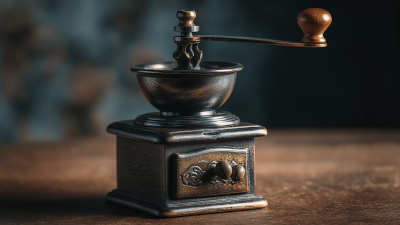
Burr grinders, on the other hand, crush beans between two abrasive surfaces. This method provides a uniform grind. A consistent grind helps achieve a better extraction during brewing. Burr grinders can be more expensive and complex than blade grinders. Still, their precision can be worth the investment for serious coffee enthusiasts.
Some users might find that adjusting grind size takes time. Experimentation is often necessary to identify the perfect setting for specific brewing methods. Many beginner users struggle with this process. Still, understanding the difference between the grinders can lead to better coffee experiences. It's important to reflect on personal preferences and brewing styles before making a choice.
Top Coffee Grinders for Perfect Brewing Every Time
| Type of Grinder |
Grind Consistency |
Grind Settings |
Price Range |
Ease of Use |
| Blade Grinder |
Inconsistent |
None |
$15 - $50 |
Very Easy |
| Burr Grinder |
Consistent |
Multiple Settings |
$40 - $500 |
Moderate |
| Manual Grinder |
Consistent |
Few Settings |
$20 - $100 |
Easy |
| Electric Burr Grinder |
Very Consistent |
Many Settings |
$100 - $800 |
Very Easy |
Industry Standards: Recommended Grinder Settings for Different Brew Methods
When it comes to achieving the perfect cup of coffee, the grinder is often overlooked. However, grinder settings are crucial for extracting optimal flavor. Different brewing methods require specific grind sizes to enhance taste profiles. According to the Specialty Coffee Association, a coarse grind works best for methods like French press, while a fine grind is ideal for espresso machines.
The recommended settings suggest 800-1000 microns for French press, compared to 200-300 microns for espresso. These measurements are backed by research indicating that particle size affects extraction rates significantly. A study published in the Journal of Food Science found that uneven grinds can lead to over-extraction, resulting in bitterness.
Each brewing method presents unique challenges. For instance, pour-over methods require a medium grind, around 400-600 microns. This size promotes an even saturation of coffee, ensuring balanced extraction. Achieving this, however, isn't easy. Many home baristas struggle with consistency, which directly impacts the final taste. It's essential to experiment with settings and pay attention to the brewing time. Minor adjustments can drastically change your coffee experience.
Recommended Grinder Settings for Different Brew Methods
Impact of Grind Freshness on Flavor Profile and Aroma
The grind size of your coffee beans plays a crucial role in the final cup’s flavor. Freshly ground coffee often delivers a rich aroma, enhancing the overall experience. When coffee beans are ground, essential oils are released. These oils are volatile and can evaporate quickly. The fresher the grind, the more vibrant the taste.
To maintain grind freshness, consider grinding just before brewing. This preserves the aromatic qualities and intensifies the flavor profile. Invest in a quality grinder that fits your brewing method. A consistent grind size is essential. Irregularities can lead to uneven extraction, affecting the coffee's balance.
Tips: Store beans in an airtight container to limit exposure to air. Avoid grinding too much at once. Even slight deviations in grind size can impact the cup's clarity. Remember, the art of brewing is about experimentation. If a grind feels off, reflect on the details. Adjust your technique for improvement.
Top Brands: Review of Leading Coffee Grinder Models and Features
When it comes to brewing coffee, a good grinder is essential.
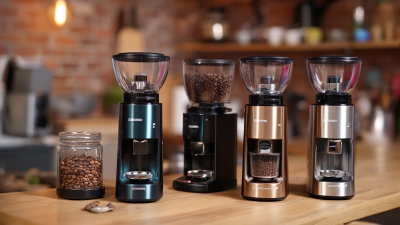
The type of grinder can affect the grind size, which directly impacts flavor extraction. Different brands offer various features and capabilities, making the choice overwhelming for many.
Some grinders tout advanced burr technology. This leads to consistent particle sizes, crucial for balanced extraction. However, users often overlook maintenance. Grinders require regular cleaning to prevent old coffee oils from tainting new brews. Ignoring this can spoil the taste of your coffee.
Many models also allow for adjustments in grind settings. This flexibility can accommodate various brewing methods, from espresso to French press. Yet, the complexity can confuse users. Some people prefer simplicity over features. Striking the right balance is key to a perfect cup of coffee.