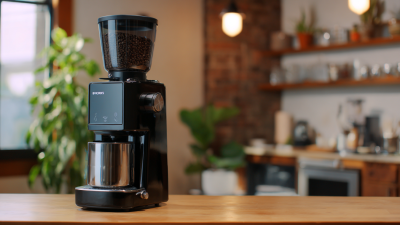
Why Choose a Commercial Grinder for Your Business?
Choosing the right grinder can shape every cup, every queue, and every customer impression. In a busy café, a Commercial Grinder must handle repeated use without losing consistency. Baristas may adjust the grind before sunrise, then repeat that process hundreds of times. Small changes can affect extraction, flavor, and service speed.
A professional grinder usually offers stronger motors, durable burrs, larger hoppers, and more precise adjustment systems. These features can reduce interruptions during peak hours. They may also support better dose control, which helps limit waste and improve cost management. Food-contact materials, cleaning access, noise levels, and warranty support deserve careful attention. A machine that looks powerful may still be inconvenient to maintain.
The best choice depends on your menu, daily volume, and staff experience. A high-output model may suit a busy espresso bar, while a smaller business may not need its full capacity. It is not automatically better. Consider the morning rush, the space beside your espresso machine, and the time required for calibration. Experienced operators also review service records and manufacturer guidance before purchasing. Yet even careful planning can miss something. Workflow changes after installation, and employees may need extra training. The right Commercial Grinder should therefore support reliable quality, practical maintenance, and long-term business goals—not simply offer the highest price or most impressive specifications.
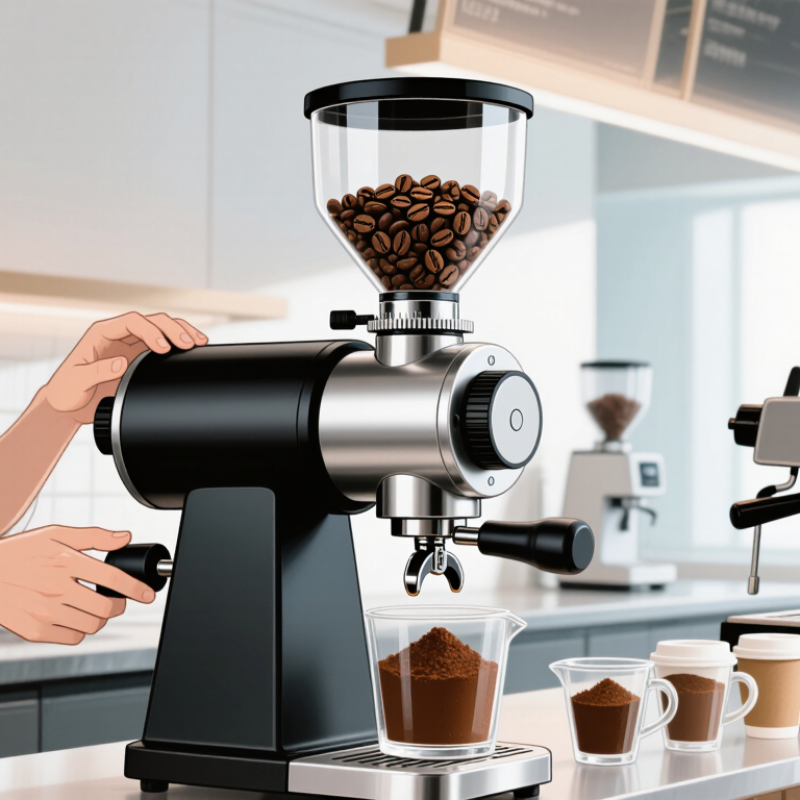
What a Commercial Grinder Is and How It Supports Business Operations
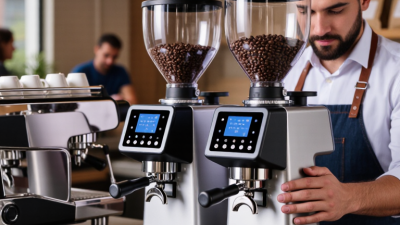
A commercial grinder is a heavy-duty machine designed to process coffee beans consistently during demanding service. Unlike a household model, it uses a stronger motor, larger burrs, and a more durable grinding chamber. These parts help it handle repeated orders without overheating as quickly. In a busy café, staff can adjust the grind size for espresso, filter coffee, or batch brewing. The adjustment must be precise. A small change can affect extraction time, flavor, and customer satisfaction.
This equipment supports daily operations by improving speed, portion control, and workflow. A timed doser can release a measured amount, reducing waste between orders. Consistent grounds also make training easier because employees can follow the same settings. During a morning rush, a reliable grinder keeps the espresso station moving while another worker prepares milk and cups. Cleaning remains essential. Coffee oils collect around burrs and chutes, so operators should inspect, brush, and calibrate the machine according to its manual.
A commercial grinder is not a solution for every business. It may be too large for a small counter or too costly for occasional use. Energy use, noise, maintenance access, and replacement parts deserve practical review. It is easy to overstate consistency, too. Humidity, bean age, and operator technique still change results. A short trial during real service may reveal problems that specifications cannot show.
How Commercial Grinders Improve Output, Consistency, and Product Quality
A commercial grinder can change the pace of a busy workspace. In daily use, faster grinding keeps orders moving and reduces waiting time. Its larger motor handles repeated cycles with less strain than a small household unit. That matters during a crowded morning. Staff can prepare measured portions more quickly, while the workflow stays easier to control.
Consistency is where the real value appears.
Commercial grinding systems usually offer finer adjustment and steadier particle distribution. This helps each batch extract more evenly and produce a more predictable texture. Operators can record settings, compare results, and correct changes caused by humidity or ingredient temperature. Small details matter. A difference of a few seconds can affect flavor, appearance, and customer expectations.
Product quality still depends on people. A powerful grinder cannot replace cleaning, calibration, or careful storage. Experienced operators check the output instead of trusting the dial blindly. Even then, mistakes happen. A setting that worked yesterday may perform poorly today. That inconvenience requires observation, not guesswork. Regular cleaning also prevents old residue from affecting fresh product. The process may take extra minutes, but it protects consistency across long production periods.
Which Business Requirements Determine the Right Grinder Choice
Why Choose a Commercial Grinder for Your Business?
The right grinder begins with your daily workload, not its appearance. A busy café needs stable output during morning rushes. A small bakery may need fewer doses, but simpler controls and compact storage. Estimate peak demand, not average demand. That difference matters.
Grind consistency directly affects extraction, flavor, and customer trust.
Larger burrs may support faster service and reduce heat buildup. However, they can require more counter space and cleaning time. Choose adjustment controls your staff can learn quickly. Complex settings may look professional, yet they can slow new employees. Keep training realistic.
Your electrical supply, noise limits, and ventilation also shape the decision. A grinder should fit beneath shelves without awkward handling. Check the hopper capacity against your busiest service period. Smaller hoppers can improve freshness, but they require more frequent refilling.
Maintenance access deserves equal attention. Remove retained grounds easily, inspect wear parts, and confirm local service support before purchase.
I have seen teams focus on speed, then struggle with cleaning every evening. That was avoidable.
Budget for repairs and replacement parts, not only the initial machine. A perfect choice rarely exists. Reassess after real service data, because staff habits can expose weaknesses that specifications miss.
How to Compare Capacity, Features, Durability, and Operating Costs
A commercial grinder should match your busiest hour, not your average day.
The National Coffee Association’s Spring 2024 report found that 67% of U.S. adults drank coffee the previous day. That demand can expose a weak grinder quickly. Compare hopper size, grinding speed, and duty cycle together. A 1.5-kilogram hopper may look impressive, but slow output still creates queues. Measure your peak orders in grams per hour. Then choose capacity with modest headroom, perhaps 20% to 30%. Overbuying also wastes counter space and capital.
Features should solve real workflow problems.
Stepped adjustment is simple, while stepless control can support tighter recipe changes. Burr size, cooling design, dosing accuracy, and easy cleaning deserve close inspection. The Specialty Coffee Association’s brewing guidance commonly places a double espresso dose around 18 grams. Small dosing errors become expensive across hundreds of drinks. Durability depends on burr life, motor protection, service access, and replacement-part availability. A strong metal housing helps, but it does not prove internal quality. I would request a duty-cycle specification and test noise during service.
Tips:
Record five busy days. Note grams used, cleaning time, electricity, and rejected doses. ENERGY STAR reports that food-service facilities can use five to seven times more energy per square foot than other commercial buildings. Therefore, operating cost matters beyond the purchase price. Estimate annual cost with energy, burr replacements, labor, downtime, and waste. Test it. A cheaper grinder may win on paper, yet lose after repeated calibration and maintenance. Your assumptions may be wrong. Recheck them after thirty days.
When Investing in a Commercial Grinder Becomes a Practical Business Decision
A commercial grinder becomes practical when daily demand makes consistency worth paying for. The 2024 National Coffee Data Trends report found that 67% of American adults drank coffee during the previous day. More customers are also buying prepared coffee outside home. That creates pressure for faster, repeatable service.
A café serving 80 espresso drinks daily may lose time through slow grinding, uneven dosing, and frequent adjustments. A commercial grinder can support larger burrs, stronger motors, and programmable portions. These features reduce workflow interruptions. The Specialty Coffee Association links grind uniformity with more controlled extraction, although equipment alone cannot fix poor beans or weak training. I would not assume every busy shop needs the largest model. That assumption can waste capital, especially when real demand is seasonal.
Tips: Record drink volume for four weeks. Measure grind time, waste, and adjustment frequency. Compare those costs with the grinder’s price, maintenance, and electricity use. The International Coffee Organization’s 2024 market reports show continued coffee price volatility, so protecting every gram matters. Staff should also clean the grinding chamber daily and recalibrate after major humidity changes. Small details matter. A practical decision may still be imperfect. Test the workflow before committing to a high-capacity unit.
Why Choose a Commercial Grinder for Your Business?
A commercial grinder becomes a practical business decision when daily drink volume requires consistent grinding capacity.
The chart below estimates daily coffee-bean demand using a standard 18 g dose per espresso-based drink.
Calculation: daily drinks × 18 g of coffee beans. For example, 200 drinks require approximately 3.6 kg of beans per day.
Actual usage varies with recipe, waste, beverage mix, and operating hours.