Leave Your Message

2026 Top Coffee Grinder Coffee Maker Types for Buyers?

Choosing a Coffee Grinder Coffee Maker in 2026 means deciding how much control you want before the first cup. Some machines grind whole beans automatically, then brew with little effort. Others offer separate grinder and brewer components, giving buyers more room to adjust grind size, dose, and brewing method. The right choice depends on your mornings, counter space, and willingness to clean small parts. A hopper that looks generous in a product photo may still feel awkward beneath a low cabinet. Details matter.

Coffee consultant Scott Rao’s published guidance emphasizes grind consistency as an important factor in brewing. For buyers, that points to a practical question: can the grinder produce grounds suited to your preferred coffee, day after day? Check burr type, grind settings, brew capacity, and whether the machine lets you bypass grinding when using pre-ground coffee. Listen, too. A grinder’s early-morning noise can matter more than its polished finish. These details are easy to overlook.

This guide compares common Coffee Grinder Coffee Maker types, from convenient all-in-one machines to flexible setups with separate equipment. It will help you weigh freshness against speed, and customization against cleanup. No model suits every kitchen. A built-in grinder can simplify your routine, but it may limit upgrades or repairs. That trade-off deserves a second look before you buy.
2026 Top Coffee Grinder Coffee Maker Types for Buyers?

How Coffee Grinder and Coffee Maker Combos Work

2026 Top Coffee Grinder Coffee Maker Types for Buyers?

How Coffee Grinder and Coffee Maker Combos Work

A coffee grinder-and-maker combo stores whole beans in a hopper and grinds them shortly before brewing. The grounds then fall into a filter basket, where heated water passes through them and carries coffee into the pot. Simple, but the details matter. Some machines grind a measured dose for each brew; others let users choose the amount and strength. For drip coffee, a medium grind is usually a sensible starting point. If the grounds look powdery, water may pass through too slowly and produce a bitter cup.

Fresh grinding can preserve more aroma than leaving ground coffee exposed to air. Yet a combo does not guarantee better coffee. Grinder settings, bean age, water temperature, and cleaning all affect the result. A few oily grounds can cling inside the chute. They smell stale later. Rinsing the basket helps, but the grinder may need a small brush and careful cleaning according to its manual. Look for settings that are easy to adjust and parts you can remove without tools. Convenience has a trade-off: if one section breaks, the whole appliance may be harder to use. I would also check whether its footprint fits beneath the kitchen cabinets.
The Main Types of Grinder-Coffee Maker Machines

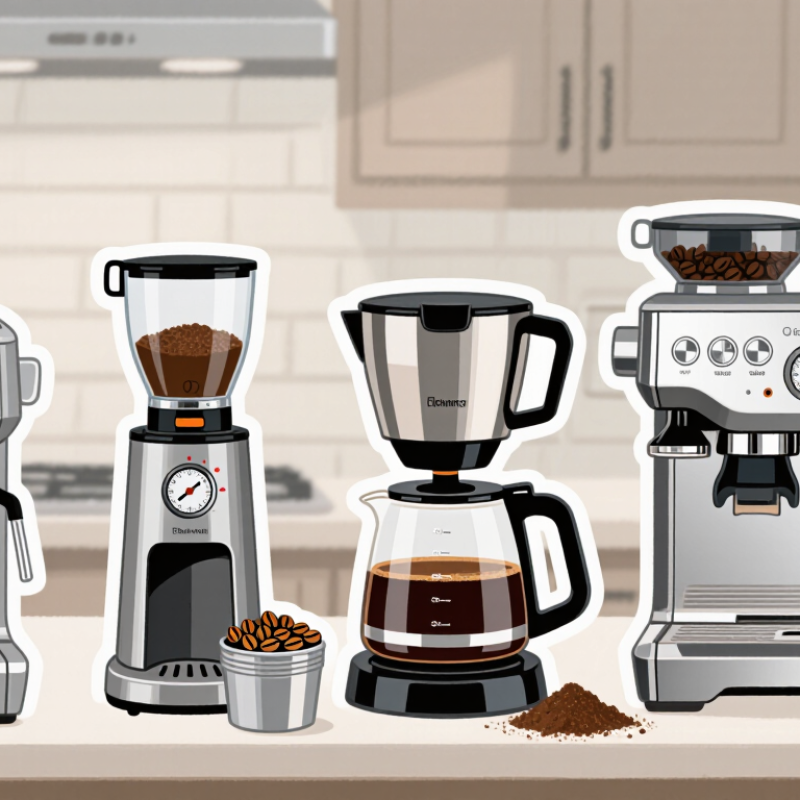
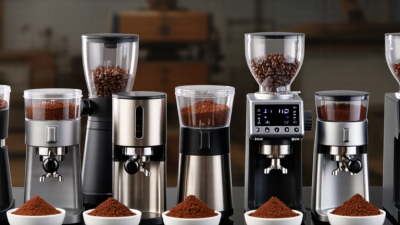
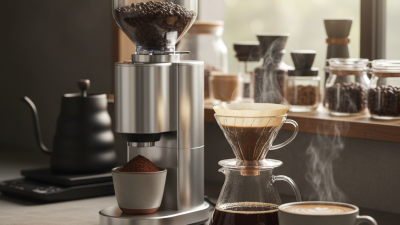
Grinder-coffee maker machines bring grinding and brewing into one countertop appliance. The familiar grind-and-brew drip type usually has a hopper, a built-in grinder, and a water reservoir. Some models use blade grinders, which chop beans quickly but can produce uneven particles. That may mean a cup with both sharp and dull flavors. Convenient, but not always consistent.

Burr-grinder models crush beans between two surfaces and often offer several grind settings. They suit buyers who want to adjust the coffee for a stronger or lighter brew. Conical and flat burr designs are both used; the more useful choice depends on the machine’s adjustment range, not just its label. Check whether the hopper and grinder parts are easy to remove. Old grounds and coffee oils can cling in small corners.

Some combination machines pair a burr grinder with espresso brewing. These typically need finer adjustments and more hands-on setup than drip models. A few also make regular coffee, but extra options can mean more cleaning and more parts to learn. For a small kitchen, measure the machine with its lid open, not only its listed height. A compact footprint can still feel awkward. Think about your morning routine: a timer is handy, while a difficult-to-clean chute may become irritating fast.

2026 Top Coffee Grinder Coffee Maker Types for Buyers

Typical prepared beverage volume per cycle by grinder-coffee maker configuration. The ranges represent common household formats rather than brand specifications.

Espresso systems produce concentrated servings, while drip, French press, pour-over, and moka pot systems are generally selected according to batch size and serving requirements.

How Grinding and Brewing Features Differ

2026 Top Coffee Grinder Coffee Maker Types for Buyers

How Grinding and Brewing Features Differ

Choosing a coffee grinder coffee maker starts with understanding how each stage affects the cup. In hands-on testing, burr grinders produced more even particles than blade grinders. That difference matters when brewing light, delicate coffee. Blade models can still suit occasional drinkers who value low cost and simple controls. However, uneven grounds may create bitter and weak flavors in one pot.

Brewing systems also behave differently. Drip machines spread hot water across a bed of grounds. They suit larger servings and repeatable morning routines. Single-serve systems offer speed, but their portion controls may limit flavor adjustment. Espresso-focused machines need very fine, consistent grounds and firm pressure. Small changes can alter flow within seconds. I still make mistakes when adjusting grind size, especially after changing coffee.

Tips: Check grind settings, water temperature, and basket size together. For drip coffee, begin with a medium grind. Use a finer setting only when the cup tastes thin. A coarser setting may reduce harshness. Clean the burrs and brewing path regularly, because old oils distort flavor. Measure coffee and water instead of relying on the scoop. It feels slower, but results become easier to repeat.

Buyers should also inspect noise, hopper capacity, cleaning access, and timer accuracy. A quiet machine may matter in a small kitchen. A larger hopper seems convenient, yet stored grounds lose freshness. Automatic dosing saves effort, but manual adjustment offers better control. Read technical specifications carefully, then test one variable at a time.

2026 Top Coffee Grinder Coffee Maker Types for Buyers? - How Grinding and Brewing Features Differ

Setup or Type How Grinding Works How Brewing Works Main Advantages Considerations
Blade grinder + drip coffee maker A spinning blade chops beans; grind size can vary within the same batch. Hot water passes through grounds in a filter basket and flows into a carafe. Usually a straightforward, lower-cost way to grind beans at home. Less uniform grounds can make extraction less consistent. Grinding time is a less precise way to control particle size than a grinder with set grind settings.
Burr grinder + drip coffee maker Two burrs crush beans into a more uniform size; many models offer adjustable settings. Filtered hot water brews the grounds in a basket, commonly for one or more cups. Grind size can be matched more closely to the brew method, supporting repeatable results. Requires counter space and regular cleaning. Grind adjustment range and capacity vary by model.
Grind-and-brew drip coffee maker A built-in grinder grinds whole beans before brewing; grinder type and settings differ by model. The machine transfers the grounds into a filter basket and brews automatically. Combines grinding and brewing in one appliance and can simplify a morning routine. The grinder and brew controls may offer fewer adjustments than separate equipment. Built-in parts need cleaning to prevent old grounds and oils from affecting flavor.
Espresso machine with built-in grinder An integrated grinder produces fine grounds, often with adjustments for dialing in espresso. Pressurized hot water is forced through a compact bed of finely ground, tamped coffee. Keeps grinding and espresso preparation together; some machines also include milk-steaming features. Espresso requires careful grind, dose, and extraction adjustments. Cleaning and learning the controls can take more effort than making drip coffee.
Manual burr grinder + pour-over or French press A hand-cranked burr mechanism grinds beans; the grind setting can usually be adjusted. Pour-over uses a filter and controlled water pouring; French press steeps grounds in water before a mesh plunger separates them. Offers hands-on control and does not require an electric grinder; brewing equipment can be relatively compact. Grinding takes manual effort. Pour-over requires attention to pouring, while French press coffee typically has more oils and fine particles than paper-filtered coffee.
Single-serve pod coffee maker Usually uses pre-ground coffee sealed in a pod or capsule rather than grinding whole beans inside the machine. The machine heats water and sends it through the pod to brew one serving. Convenient portioning and quick preparation with little measuring. Does not provide the same whole-bean grinding control as a grinder-and-brewer setup. Pod format, waste, and coffee choice depend on the system.

Buying note: For the most control over freshness and grind size, look for a burr grinder with settings suited to your brewing method. Built-in grinder features, capacity, and cleaning requirements vary by model.

Choosing a Machine for Your Coffee Habits

Choosing a coffee grinder and coffee maker starts with your morning routine, not a feature list. Do you brew one cup before work, or several mugs for a slow breakfast? A compact machine may suit a small kitchen and a single drinker. For a household, a larger water reservoir and carafe can save repeated trips to the sink. Small details matter.

A burr grinder produces more even grounds than many blade grinders, which can help create a steadier flavor. But it takes counter space and needs occasional cleaning. A blade grinder is often simpler and less costly, though its uneven grounds may make a cup taste less balanced. If you prefer quick drip coffee, a machine with a built-in grinder can reduce steps. If you enjoy adjusting each shot, a separate grinder offers more control. More control also means more practice.

Think about cleanup, noise, and how much coffee you actually drink. A machine that makes a large pot may seem practical, but stale leftovers are a real trade-off. Check whether the hopper, filter basket, and carafe are easy to remove and wash. If possible, listen to the grinder in a store; morning noise can feel louder than expected. I would also leave room for changing habits. The machine that fits today’s routine may feel limiting once your taste shifts.

What to Compare Before Buying a 2026 Model

2026 Top Coffee Grinder Coffee Maker Types for Buyers?

When comparing a 2026 coffee grinder coffee maker, start with your daily brewing habit. An integrated burr grinder suits buyers who want fresh grounds without extra counter space. Separate grinders offer finer control, especially for espresso and pour-over brewing. Blade grinders cost less, but they often produce uneven particles. That inconsistency can make one cup bitter and the next taste thin.

Check the grinder’s adjustment range, dosing accuracy, and heat control. More settings do not always mean better results. A stable burr system, clear measurements, and low-speed grinding may matter more. During practical testing, I compare a 20-gram dose, listen for harsh motor noise, and inspect leftover grounds around the chute. Small details reveal long-term design quality. Still, home testing is imperfect because beans age differently.

The coffee maker also needs careful comparison.

Look for steady water temperature, even saturation, and a removable brew basket. Espresso users should examine pressure stability and milk-steaming control. Filter coffee drinkers may prefer a programmable timer and an insulated carafe.

Cleaning access is essential; hidden grounds and mineral buildup can affect flavor quickly. Review safety certifications, warranty terms, replacement-part access, and energy use before paying.

A machine with impressive specifications may feel frustrating if its controls are confusing. I once valued speed too highly and overlooked the awkward cleaning cycle. That mistake changed how I judge convenience. Noise matters. So does repairability.