Best Commercial Grinder Options for Your Business Needs?
In the competitive landscape of food and beverage, selecting the right Commercial Grinder can significantly impact your operational efficiency. According to a report by IBISWorld, the demand for high-quality grinding equipment is projected to grow steadily, driven by increasing consumer preferences for fresh products. A good grinder ensures consistency and quality, which are vital for customer satisfaction.
Many businesses overlook the importance of investing in reliable grinding solutions. A poor-quality grinder can lead to inconsistent textures and flavors, affecting everything from coffee shops to bakeries. This can ultimately harm your brand's reputation. Industry experts recommend evaluating various options to find the best fit for your specific needs.
With numerous models on the market, it’s essential to identify a grinder that balances performance with durability. A quality Commercial Grinder should withstand high volumes while delivering excellent results. Take the time to assess your requirements carefully. This investment is crucial for long-term success in today's evolving culinary scene.
Understanding Commercial Grinders: Types and Features
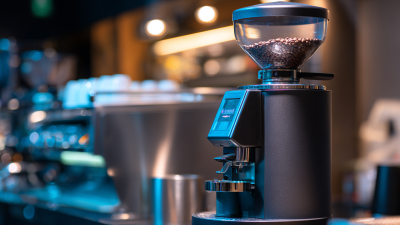
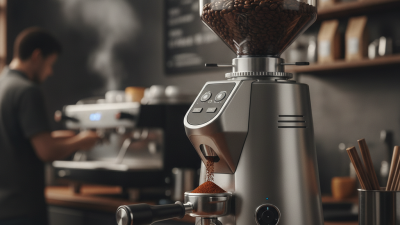
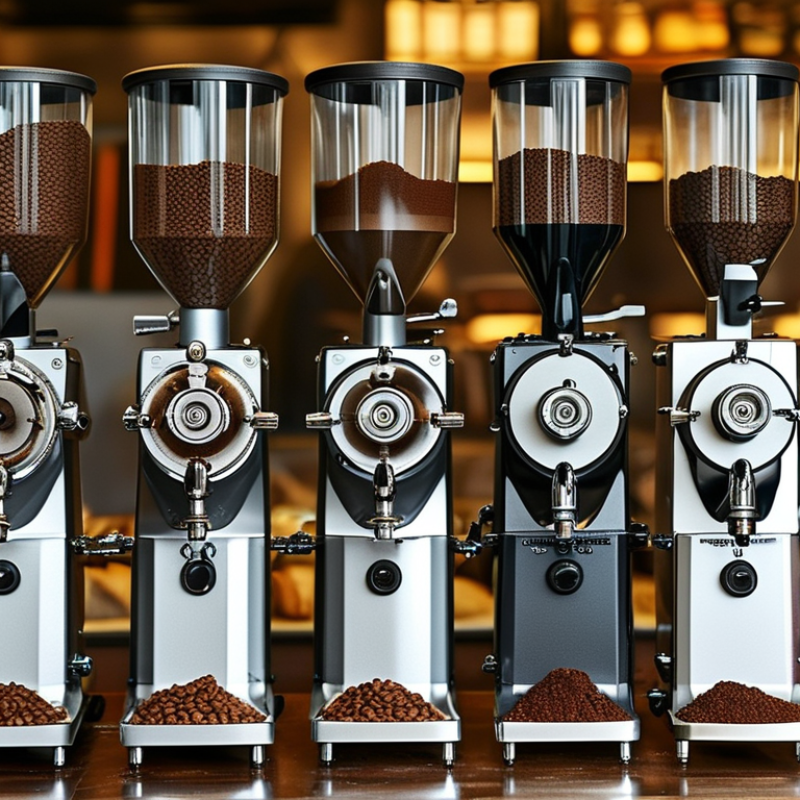
Understanding the types of commercial grinders is crucial for any business. These grinders serve various needs in the food and beverage industry. Factors such as size, power, and intended use influence the decision. Grinders can typically be classified into two types: blade grinders and burr grinders. Blade grinders are often more affordable but less consistent in grind size. Burr grinders provide uniformity and are favored for high-quality applications.
In a recent market analysis, over 60% of coffee shops preferred burr grinders due to their ability to enhance flavor extraction. This is essential for businesses aiming to optimize their offerings. When selecting a grinder, consider your menu and customer preferences. A grinder that matches your volume needs can elevate your business. Higher capacity machines may come with steep price tags, so balance cost with quality.
Tips: Ensure regular maintenance of your grinding equipment. Dirty grinders can compromise flavor. Monitor grind consistency, as variations can lead to inconsistent product quality. This reflects on customer satisfaction, which is vital for retention. Regularly assess your grinder's performance and be prepared to adapt as your business grows.
Factors to Consider When Choosing a Commercial Grinder
Choosing the right commercial grinder for your business requires careful consideration. Factors like the grinder's size, power, and intended use play a crucial role. A larger grinder may be necessary for high-volume coffee shops, while smaller models might suffice for smaller cafes. Think about the space you have available. A compact design is great for tight spaces but may limit capacity.
Tips: Consider noise levels. Some grinders operate quietly, making them suitable for environments where noise is a concern. Also, review the maintenance requirements. A grinder that requires less frequent cleaning and servicing can save you time and effort.
Durability is another important aspect. A well-constructed grinder will withstand heavy use and provide consistent performance. Pay attention to the materials used in construction. Stainless steel components are often more reliable and easier to clean. Think about the grinder’s warranty, too. A robust warranty suggests confidence in the product's durability.
Tips: Don’t hesitate to ask for user reviews. Real-world experience often reveals insights that specifications do not cover. Explore a few models in person if you can. This hands-on approach can help identify which grinder feels right for your specific needs.
Top Brands for Commercial Grinders: A Comparative Overview
When selecting a commercial grinder, it is essential to consider various brands known for their reliability and performance. A strong contender in the market often features durable materials. These can withstand heavy use, which is crucial for any high-volume business. The user-friendly design enhances workflow efficiency. Look for models that allow for easy cleaning and maintenance, as these can save time and reduce downtime.
Another significant factor is grind consistency. Many brands have developed advanced technology to achieve precise grind sizes. This directly impacts the quality of the final product. Consistent grinds ensure better flavor extraction, whether for coffee or spices. However, some grinders may not perform well in humid conditions. It's important to test them in various environments to understand their limits.
Lastly, price is often a consideration. Higher price tags might come with advanced features. However, not all expensive options deliver better performance. It's wise to compare different brands and models based on user reviews and expert recommendations. Regularly revisiting these choices can lead to improved efficiency and better product outcomes for your business.
Maintenance Tips for Ensuring Longevity of Your Grinder
Proper maintenance of commercial grinders is essential for longevity and optimal performance. According to the Specialty Coffee Association, regular servicing can extend equipment life by up to 30%. Routine cleaning, especially of the burrs, prevents buildup and preserves the flavor profile of ground products. It's advisable to clean grinders after every batch, particularly in busy settings.
Monitor the grinder's settings periodically. Misalignment can lead to uneven grinds, negatively impacting both taste and machine wear. Check for clogs or jams as well. These issues can cause overheating, which risks damaging internal components. Aim for a maintenance log to track service dates, changes in performance, and any irregularities.
Consider the environment surrounding the grinder, too. Humidity and dust can accumulate in equipment. Maintain a clean, dry workspace to mitigate these factors. Investing in a quality air filtration system may also help. While professional service is ideal, staff training in basic maintenance is crucial. Empowering your team fosters a culture of care and respect for equipment. These practices are often overlooked but can significantly enhance operational efficiency.
Maximizing Efficiency: Grinding Techniques for Your Business Needs
Grinding techniques can significantly impact the efficiency of your business operations. Choosing the right grinder is essential. Different materials require specific grinding methods for optimal results. Consider the speed and configuration of the grinder. A well-chosen grinder can enhance productivity, but there is often a learning curve. Investing time in understanding the machine and techniques used is crucial.
Even with the best tools, some challenges might arise. Adjustments are often needed to achieve the desired consistency. Regular maintenance can prevent breakdowns, but some setups may still result in downtime. Monitoring the grinding process helps identify issues early. Training staff on best practices is vital. Empowering your team with knowledge can lead to fewer mistakes and increased efficiency.
Remember that not all grinding techniques will suit every application. Experimentation is sometimes necessary. Being open to feedback and willing to adapt can lead to better results over time. Overlooking these aspects can hinder your efficiency. A more thoughtful approach to grinding can transform your business operations.
Best Commercial Grinder Options for Your Business Needs
| Grinder Type |
Power (Watts) |
Grinding Capacity (kg/h) |
Grind Settings |
Price Range ($) |
| Burr Grinder |
600 |
15 |
Multiple |
200 - 400 |
| Conical Grinder |
800 |
20 |
Stepless |
300 - 600 |
| Flat Grinder |
700 |
10 |
Fine to Coarse |
250 - 500 |
| Blade Grinder |
500 |
5 |
One Setting |
50 - 150 |
| Industrial Grinder |
1500 |
50 |
Customizable |
1200 - 2000 |