What Is the Best Small Coffee Grinder in 2026?
Choosing a Small Coffee Grinder in 2026 means balancing footprint, grind quality, noise, and price. A compact model should fit beside a kettle, yet handle the beans you brew every morning. The right choice depends on your routine: espresso needs finer, more consistent grounds than a French press. Small details matter. A loose lid, awkward dial, or messy chute can become irritating after a week.
Coffee remains a daily habit for many people. The National Coffee Association’s 2024 National Coffee Data Trends report found that 67% of U.S. adults had coffee in the past day. That figure explains the demand for practical home equipment, but it does not prove one grinder suits everyone. The Specialty Coffee Association’s brewing guidance also highlights how grind size affects extraction. In plain terms, uneven particles can make a cup taste both sharp and dull.
This guide compares compact grinders by measurable features, including burr or blade design, adjustment range, capacity, cleaning needs, and noise. Where published specifications are available, they help anchor comparisons; user reviews can reveal everyday quirks, but they are not controlled tests. A small grinder may save counter space and still disappoint with slow grinding or scattered grounds. No model wins every kitchen. The best pick is the one that matches your brewing method and fits your counter without adding daily friction. Some trade-offs are easy to miss in a product listing. We will look closely.
What Defines a Small Coffee Grinder?
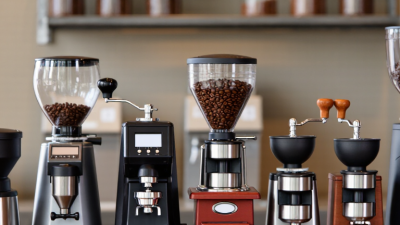
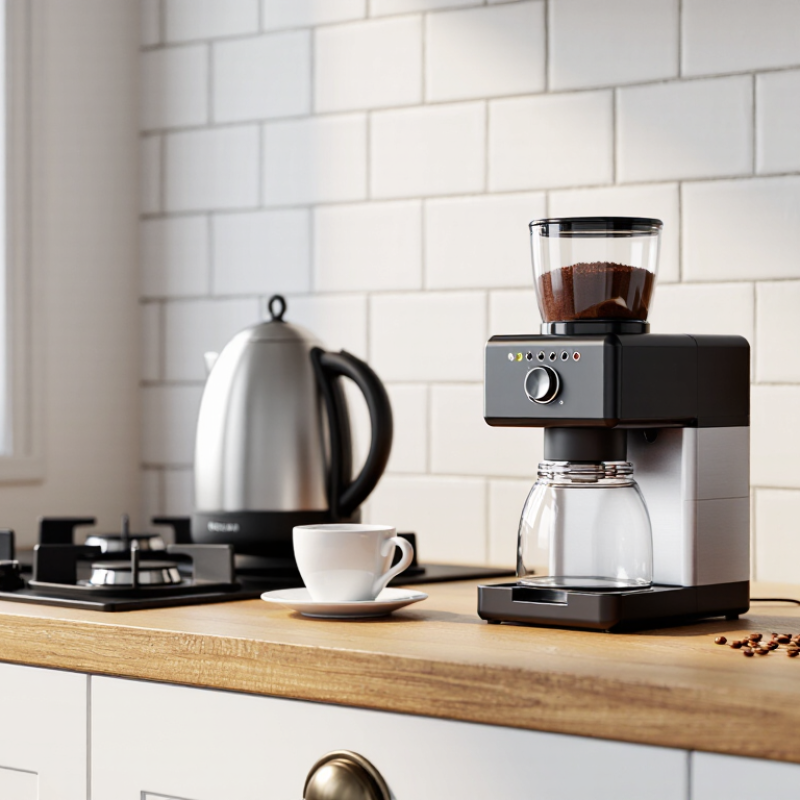
A small coffee grinder is defined less by its label than by its footprint, capacity, and intended routine. On a counter, it should fit beside a kettle without pushing other tools aside. Many compact models are roughly as wide as a mug, though dimensions vary. That matters.
A grinder feels small when its hopper and grounds cup suit your usual brew size, not just its outer shell. For one or two cups, modest capacity can mean fewer beans sitting exposed. But it may require refilling when guests arrive. Trade-off.
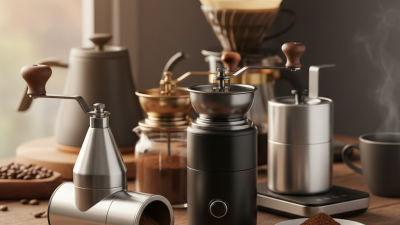
Small can also describe a hand grinder that stores in a drawer or bag. Check its handle, lid, and grounds cup; loose parts can make daily use irritating. For electric models, motor heat, burr alignment, and grind adjustment still matter. A small size does not guarantee even grounds. Feel the adjustment steps: very few settings can make dialing in espresso difficult. “Portable” can be a fuzzy label, too; a heavy base may simply stay on the counter. Before choosing, measure your available space and consider how much coffee you make at a time.
How Burr and Blade Grinders Differ
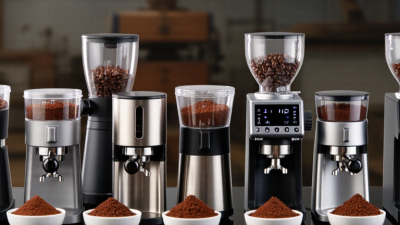
For a small coffee grinder, the key difference is how it makes particles. A blade grinder chops beans with a spinning blade, leaving a mix of fine dust and larger pieces. In a cup, that can mean sharp bitterness beside thin, sour flavors. Burr grinders crush beans between two surfaces, usually producing a more even particle range. More consistent does not mean perfect: inexpensive burr sets may still leave fines, and adjustment markings can be imprecise. There is a catch.
The Specialty Coffee Association’s Coffee Brewing Control Chart gives a useful reference: brewed coffee is commonly targeted at 18–22% extraction, with total dissolved solids around 1.15–1.35%. Uneven grounds make that window harder to reach, because tiny particles extract faster than coarse ones. A 2020 study in Matter by Cameron and colleagues also showed that grind setting can change espresso flow and extraction, so finer is not automatically better. The chart is not a direct burr-versus-blade trial, though; treat it as a brewing benchmark, not proof that every burr grinder wins. For a compact setup, check whether the grinder offers repeatable settings and is easy to clean. A little coffee dust around the counter is normal, but a wide spread of particle sizes is worth noticing.
Burr vs. Blade Coffee Grinders: Typical Design Differences (2026)
Burr grinders crush beans between grinding surfaces and typically allow grind-size adjustment. Blade grinders chop beans with a spinning blade and typically lack a dedicated grind-size setting. The chart shows general design traits, not lab-test results; individual models may differ.
Which Features Matter for Everyday Use?
For the best small coffee grinder in 2026, judge it by daily habits, not its feature list. The National Coffee Association’s 2024 National Coffee Data Trends report found that 67% of U.S. adults had coffee the previous day. That makes a grinder’s ease of use more than a minor detail. Look for clear settings, a stable hopper, and a catch cup that pours cleanly. A compact footprint matters, too, but check whether the lid and grounds cup are easy to handle beside a kettle or crowded toaster.
Consistency matters. The Specialty Coffee Association’s brewing guidance uses about 55 grams of coffee per liter of water as a starting ratio. A grinder that produces repeatable grounds makes that recipe easier to test. For everyday use, consider whether the grind range suits your brewing method, whether adjustments are simple, and whether the burr area can be brushed clean without a long teardown.
Noise counts in a quiet kitchen. So does mess. Small grinders can still scatter grounds, and no feature list tells you how annoying that will feel at 7 a.m.
Tips: Test the grinder with your usual beans and brew method. Start with a small dose. Check for clinging grounds and uneven particles. A little static is normal, but frequent clogs deserve attention. And be honest: a quieter motor may matter more to you than extra settings.
How to Compare Small Coffee Grinders in 2026
To compare small coffee grinders in 2026, measure the space they actually occupy, including the handle or hopper. Then check whether their adjustment range suits your brew method. Espresso needs fine, repeatable steps; pour-over benefits from steady medium-to-coarse settings. Burr type matters, but consistency, adjustment control, and easy cleaning matter more than a compact-looking design. Small is relative.
The Specialty Coffee Association’s Golden Cup guidance places brewed coffee at an extraction yield of 18–22% and a total dissolved solids range of 1.15–1.35%. A grinder cannot guarantee those results, but uneven particles can make extraction harder to control. Compare grind consistency alongside practical details: grounds left inside, static mess, noise, and how easily the burr chamber opens. A drawer full of trapped grounds is a real drawback. Specifications alone may not reveal it.
Tip: Test a small dose before buying, if possible. Grind the same beans for your usual method, then check for clumps, stray coarse pieces, and grounds stuck around the chute. Also time the adjustment process. It is easy to overlook this, and fine settings can feel fiddly in daily use. Keep in mind that roast level and bean age affect grinding, so one test is not definitive.
Which Grinder Best Fits Different Brewing Needs?
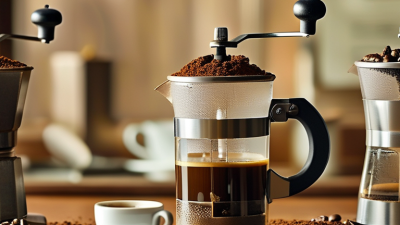
Choosing the best small coffee grinder in 2026 depends less on countertop size than on what you brew. For espresso, look for fine, repeatable adjustment; tiny changes can alter shot flow. For pour-over or drip, prioritize even grounds and low retention, so old coffee does not muddy a fresh cup. French press needs reliable coarse settings. Manual grinders suit travel and quiet kitchens, but grinding several doses by hand can get tiring. That matters.
The Specialty Coffee Association’s brewing guidance uses about 55 grams of coffee per liter of water, with water at 92–96°C. Consistent grind size helps you repeat a recipe, though these standards do not rank grinder models. The National Coffee Association’s 2024 National Coffee Data Trends report found that 67% of U.S. adults drank coffee the previous day; convenience is part of the daily routine. Match grinder capacity to your usual batch, and check whether its burrs and grounds container are easy to clean. This is an imperfect shortcut, not a lab result: a compact grinder may suit one brewing style and frustrate another.