Leave Your Message

7 Tips to Choose the Best Single Dose Coffee Grinder

Choosing the right Single Dose Coffee Grinder can transform an ordinary morning into a more controlled brewing experience. Freshly ground coffee should show clear aroma, balanced texture, and fewer bitter surprises. Yet grinder shopping often becomes confusing. Product pages highlight motor power and sleek metal bodies, while practical details remain hidden.

This guide focuses on seven useful considerations for home brewers and serious coffee drinkers. It examines burr design, grind consistency, retention, static, adjustment systems, dosing workflow, and long-term maintenance. A grinder may produce excellent espresso but struggle with coarse filter settings. Another may look impressive but leave stale grounds inside its chute. Small details matter.

Real-world use reveals the difference.

When comparing models, test more than speed. Listen for uneven sounds, inspect the catch cup, and check whether the adjustment dial moves smoothly. Consider how easily you can clean the burr chamber after oily beans. Independent reviews, manufacturer specifications, warranty terms, and repair support can provide stronger evidence than advertising claims. Still, no grinder is perfect. I have found that convenience, noise, and grind quality rarely reach their best levels in one machine. Your preferred brewing method should guide the decision.

These seven tips will help you judge a Single Dose Coffee Grinder with practical expectations. They are designed to reduce guesswork, not promise magical results. A careful choice can improve consistency, protect your coffee budget, and make each dose easier to repeat. Take notes during testing. Your palate may disagree with the specifications.
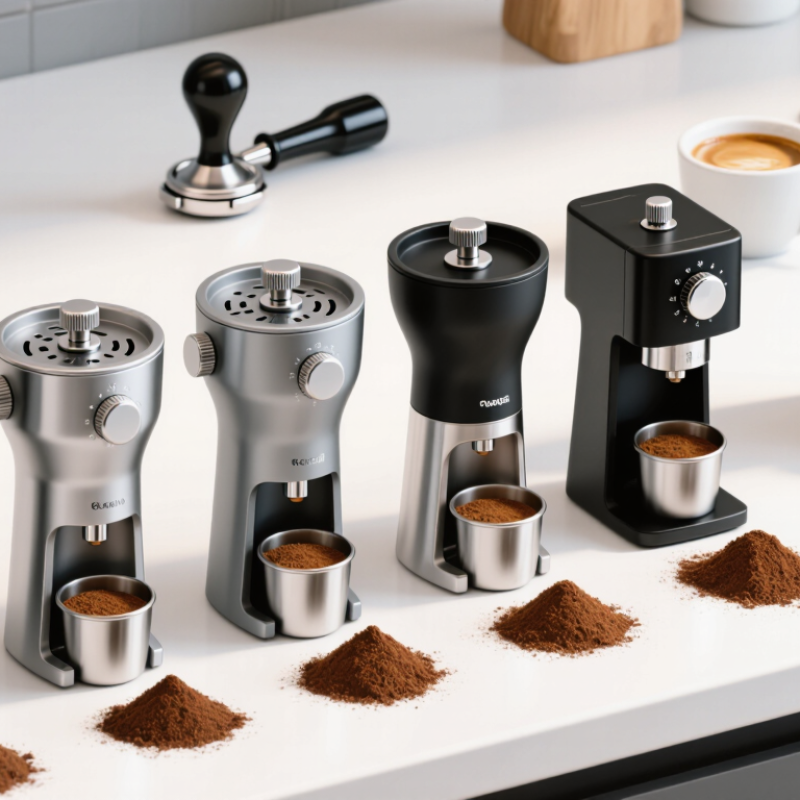
7 Tips to Choose the Best Single Dose Coffee Grinder

Define Single-Dose Grinding and Its Key Benefits

Single-dose grinding means weighing beans for one brew, then grinding them immediately before extraction. The grinder holds little or no coffee in its hopper. One dose. Less guesswork. This method separates bean storage from grinding, which matters because ground coffee exposes more surface area to oxygen. The 2024 National Coffee Data Trends report from the National Coffee Association found that 67% of U.S. adults drank coffee the previous day. That scale makes consistency more important, especially for home users serving different brewing methods. Yet popularity is not proof of quality.

In practical use, single dosing offers three clear benefits. Fresh grinding can preserve volatile aromas, while accurate weighing improves brew-to-brew repeatability. It also makes bean changes easier. I can switch from a light roast to a darker roast without emptying a full hopper. Lower retained coffee may reduce flavor carryover and unnecessary waste. Specialty Coffee Association brewing guidance treats grind size, dose, and extraction time as linked controls. Changing one variable requires attention to the others. A good routine uses a scale, timer, and short purge when needed. I still miss the target sometimes. Static, burr alignment, and roast density can shift results. Single-dose grinding is not magic. It can slow busy mornings and require more manual handling. The best grinder should offer low retention, stable particle distribution, and simple adjustment, rather than merely a fashionable workflow.
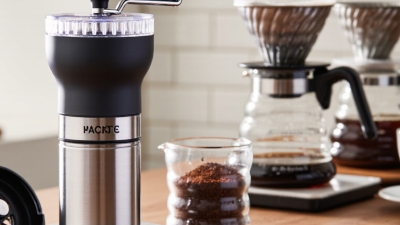
Match Grinder Type and Burr Design to Your Brewing Needs

A single-dose grinder should match your brewing method, not your kitchen aesthetic. The NCA’s Spring 2024 National Coffee Data Trends report found that 67% of American adults drank coffee the previous day. More home brewers now need flexible, repeatable grinding. Conical burrs suit slower, quieter workflows and mixed brewing. Flat burrs often produce a more uniform particle distribution, which can sharpen pour-over clarity. Espresso demands finer adjustment and stronger motor control. Choose the grinder type around your daily recipe.

Compare burr geometry, material, and diameter. Steel burrs usually support fast grinding and easy replacement. Ceramic burrs resist heat but may chip under impact. Larger burrs can reduce grinding time, though size alone proves nothing. Examine adjustment steps carefully. Small changes matter with espresso. For filter coffee, a clear, repeatable scale is usually more valuable than extreme settings.

The SCA’s brewing guidance targets roughly 18–22% extraction and 1.15–1.35% beverage strength. Consistent particles help you approach those numbers, but they cannot fix stale coffee or poor water.

Treat retention, alignment, and cleaning as practical tests. Weigh the beans before and after grinding. A noticeable difference signals retained coffee. Check whether the chamber empties cleanly after gentle tapping. Single-dose designs reduce old grounds, but zero retention is mostly marketing language. I used to overvalue burr diameter; workflow consistency matters more. Choose accessible burr cleaning, stable adjustment, and minimal static. No grinder is perfect. Your notes should expose its weaknesses.

Evaluate Grind Settings, Retention, and Dosing Consistency

A good single-dose coffee grinder should make adjustment feel predictable, not theatrical. Test its range with light, medium, and dark roasted beans. Choose a model with clear settings and enough steps for small recipe changes. Finer steps usually help with espresso, while broader control suits filter brewing. Still, printed numbers are only reference points.

Low retention matters during daily use. Grind one dose, then measure what remains inside the chamber. Check again after switching to a different roast. Some coffee may hide behind the burrs or cling to the exit chute. A gentle tap can reduce leftovers, but excessive tapping becomes tiring. I once trusted a grinder’s claimed retention figure and found inconsistent results at home.

Dosing consistency deserves repeated testing. Weigh the beans before grinding, then weigh the grounds afterward. Repeat this process at least five times. A stable grinder should produce similar output, not one perfect dose followed by surprises. Watch for static, clumping, and grounds scattered around the cup. These details affect workflow and extraction. My own measurements are never perfectly clean, especially in dry weather. That is worth admitting. Listen for changes in motor speed, too. Uneven sounds may reveal feeding problems or overloaded burrs. Choose performance you can verify, not promises that look impressive on paper.

Compare Motor Power, Speed Control, and Noise Levels

7 Tips to Choose the Best Single Dose Coffee Grinder

Motor power is only one clue. A higher wattage rating may still produce weak grinding under load. Check torque, burr diameter, duty cycle, and thermal protection. The U.S. National Coffee Association’s Spring 2024 National Coffee Data Trends report found that 67% of American adults drank coffee daily. That makes repeatable home grinding more important, not merely faster grinding. I would choose a motor that stays steady when beans become dense. My own mistake was trusting wattage alone.

Speed control deserves closer attention. Look for several stable RPM settings, not a decorative dial. Lower speeds can reduce heat and improve control with lighter roasts, while higher speeds may shorten grinding time. Watch for retention after each dose. Seven practical checks help: verify torque, compare burr size, test RPM stability, inspect cooling, measure retention, review controls, and check warranty terms. It is easy to overlook cooling.

Noise should be measured, not guessed. ISO 3744 provides a recognized method for determining sound power levels in controlled conditions. Remember, a 3 dB increase represents roughly twice the acoustic power. Ask whether published readings use dB(A), the microphone distance, and an empty or loaded grinder. The 2024 International Coffee Organization Coffee Development Report also highlights growing attention to quality and value across the coffee chain. That does not make a quiet grinder automatically better. Listen beside a kitchen counter. Measure it. Personal comfort still matters.

7 Tips to Choose the Best Single Dose Coffee Grinder - Compare Motor Power, Speed Control, and Noise Levels
No. Selection Tip What to Compare Useful Target or Reference Range Why It Matters How to Verify
1 Check Motor Power Rated motor output, thermal design, and protection against overheating. For home single-dose use, approximately 150–300 W is a practical reference range. Higher wattage alone does not guarantee better grinding. Adequate power helps the grinder handle dense light-roast beans and reduces the chance of stalling during normal use. Read the technical specification and look for overload or thermal protection.
2 Prioritize Speed Control Fixed speed versus adjustable speed, available speed range, and control accuracy. A useful adjustable range is roughly 600–1,400 revolutions per minute, depending on burr size and grinder design. Lower speeds can help reduce heat and fines, while higher speeds can shorten grinding time for some brewing methods. Confirm whether the speed is continuously adjustable or limited to preset steps.
3 Compare Noise Levels Sound pressure level during grinding, measurement distance, and bean type used in testing. About 65–75 dB(A) is a reasonable home-use reference. Published readings are only comparable when testing conditions match. Lower noise improves comfort in shared spaces, especially during early-morning or office use. Look for dB(A) measurements and confirm the distance, grind setting, and test conditions.
4 Evaluate Burr Design Burr material, burr diameter, alignment, and suitability for espresso or filter coffee. Steel burrs with a diameter of approximately 50–65 mm are common in capable home grinders; larger burrs may improve throughput. Burr geometry and alignment influence particle distribution, grind consistency, and flavor clarity more than motor wattage alone. Review the burr diameter, replacement availability, and adjustment mechanism.
5 Measure Retention and Exchange Coffee retained inside the burr chamber, chute, and exit path after grinding. For single-dose workflow, low retention around 0.1–0.5 g is a useful practical target, although results vary with roast and grind size. Low retention makes it easier to switch between coffees and improves dose-to-dose consistency. Perform repeated weigh-in and weigh-out tests using the same beans and grind setting.
6 Inspect Adjustment Precision Number of adjustment steps, stepless control, repeatability, and ease of returning to a previous setting. Espresso users generally benefit from stepless or fine micro-adjustment; filter users may prefer clearly marked, repeatable steps. Fine adjustment helps dial in extraction and makes it easier to correct small changes in dose, roast, or brewing time. Check adjustment resolution, zero-point stability, and whether the setting can be read easily.
7 Assess Workflow and Maintenance Hopper or bellows design, dosing cup fit, cleaning access, static control, and replacement parts. Choose a design that supports your daily dose, offers tool-free or simple burr access, and includes an accessible cleaning path. A convenient workflow encourages regular cleaning and makes single-dose preparation faster and more consistent. Confirm the cup capacity, anti-static features, cleaning procedure, and availability of wear parts.

Check Workflow, Maintenance, Durability, and Overall Value

7 Tips to Choose the Best Single Dose Coffee Grinder

Check the workflow before judging grind quality. A practical grinder should accept beans easily, dose cleanly, and reduce retention. Watch how quickly the burrs finish a typical 18-gram dose. Fewer interruptions matter during busy mornings. Examine the adjustment system, too. Clear markings help repeat recipes, although tiny numbers can mislead tired users. A stable dial and firm locking mechanism are more useful than decorative precision.

Maintenance shapes daily satisfaction. Look for removable surfaces, accessible burrs, and simple cleaning instructions. Coffee dust hides around the chute and adjustment ring. A small brush should reach these areas without disassembling half the machine. Static control also matters. Less mess means less wasted coffee on the counter. However, anti-static claims deserve practical testing. Humidity changes results significantly. I once trusted a neat-looking design and regretted its awkward cleaning routine.

Durability depends on materials, motor cooling, burr support, and replacement access. Heavy construction feels reassuring, but weight alone proves little. Check for solid bearings and a housing that does not flex. Ask whether worn parts can be serviced. That question is often overlooked. Consider overall value through ownership cost, not purchase price alone. Include cleaning tools, replacement burrs, electricity, and your time. A cheaper grinder may become expensive after repeated repairs. Perfection is unlikely. Choose the model whose compromises match your routine, coffee volume, and patience.