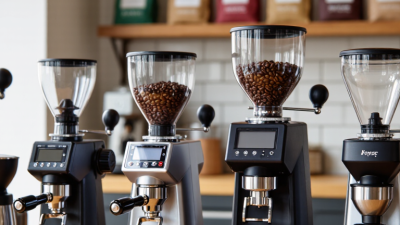
Choosing the best Electric Coffee Grinder begins with understanding your daily brewing habits. A grinder for pour-over coffee should produce even, medium-sized particles. Espresso requires much finer adjustment and greater consistency. French press brewing needs a noticeably coarser setting. Your coffee method matters more than attractive advertising.
James Hoffmann, coffee educator and author, has said, “The grinder is more important than the espresso machine.” His point remains practical. Freshly ground coffee can reveal sweeter aromas, clearer acidity, and a fuller texture. However, grinder quality involves more than grind size. Look for stable burrs, low retention, simple adjustment, and easy cleaning. A quiet motor may also improve morning comfort. Some models claim exceptional precision but leave visible powder around the chamber. That detail can affect flavor and waste expensive beans.
Think about the physical experience. Can you remove the hopper without spilling beans? Does the grind dial move smoothly? Will the container fit beneath your brewer? These small moments become important after several weeks of use. A powerful motor is not automatically better. Excessive heat may damage delicate aromas, although household brewing rarely creates dramatic temperature problems. I would also avoid choosing solely by price. A cheaper grinder can perform well, but inconsistent results may create frustration.
The best Electric Coffee Grinder is the one that matches your routine, brewing style, and patience. Taste the difference yourself. No specification sheet can replace that test. Even experienced users sometimes choose the wrong grinder. That is worth remembering. Reliable coffee equipment supports better decisions, but it cannot replace fresh beans, accurate measurement, and careful brewing.
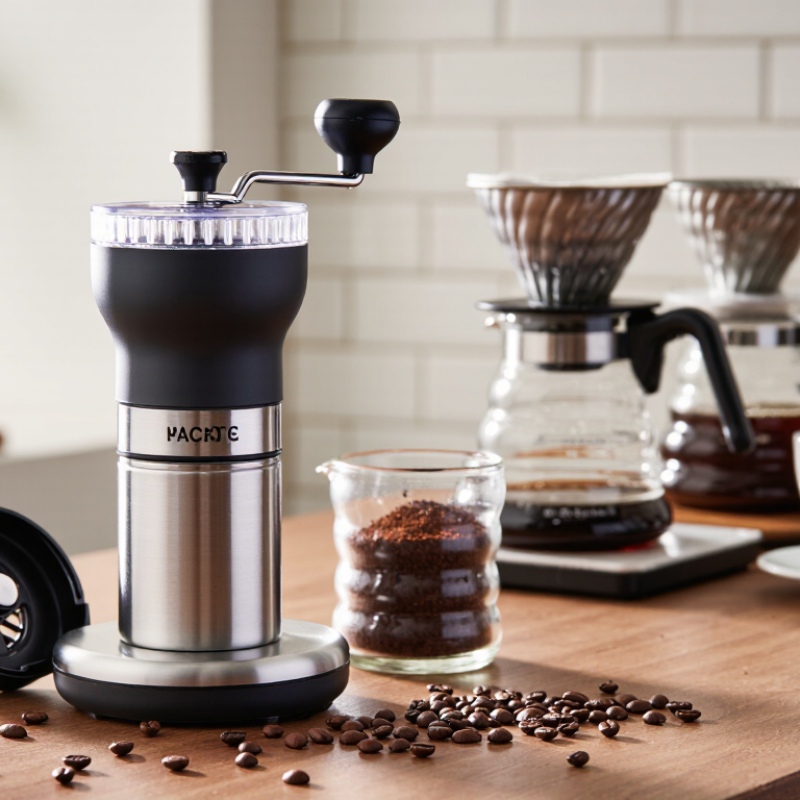
Choosing an electric coffee grinder begins with defining your brewing needs. Your brewing method sets the grinder’s most important requirements. Do you prepare pour-over coffee, French press, espresso, or several styles? Each method needs a different particle range. Pour-over usually benefits from controlled medium grinding. French press requires a coarser, more consistent texture. Espresso needs fine adjustments and strong motor control. Small details matter.
Consider your daily routine, coffee volume, and tolerance for noise. A compact grinder may suit one morning cup. A larger hopper can help busy households, but stored beans may lose freshness. Look for clear settings, low retention, easy cleaning, and consistent output. Burr alignment and adjustment quality often matter more than extra digital features.
I once chose a grinder mainly for its speed. It was convenient, but the uneven particles made my coffee taste both bitter and thin. That experience changed my priorities. Perfect consistency is difficult, even with good equipment.
Tips: Write down your brewing method and daily dose before shopping. Bring your preferred coffee beans when testing settings. Listen for harsh noise and check whether the adjustment feels precise. Leave room for learning; your technique may need refinement too. A grinder should support your goals, not replace them.
How to Choose the Best Electric Coffee Grinder?
The grinder type should match your brewing routine. Blade grinders chop beans unevenly, creating powder and larger fragments together. They are affordable, but consistency is limited. Burr grinders crush beans between two surfaces, producing a more controlled particle size. This difference becomes obvious in a French press, where excessive powder can make the cup muddy.
Conical burrs usually run cooler and tolerate small alignment changes. They suit many home users and often produce balanced results. Flat burrs can offer tighter particle consistency, especially for espresso preparation. However, burr shape alone does not guarantee quality. Burr alignment, motor stability, and adjustment range matter just as much. I have used grinders with impressive burr designs that still produced uneven grounds because their calibration was poor.
The grinding mechanism also deserves attention. Direct-drive systems transfer motor power efficiently, while geared systems may reduce speed and improve torque. A slower motor can limit heat, but it may take longer to grind. Stepped adjustment is simple and repeatable, while stepless adjustment allows finer control. Choose stepped settings for convenience; choose stepless control when dialing in espresso. Check the retention area, too. Old grounds trapped inside can affect the next dose. A small brush helps, though cleaning still takes patience. No grinder is perfect. Temperature, bean age, and humidity can change results, so reliable testing means comparing several brews under similar conditions.
| Grinder Type | Grinding Mechanism | Grinding Surface or Design | Particle Consistency | Heat and Noise | Adjustment and Dose Control | Main Advantages | Main Limitations | Best Suited For |
|---|---|---|---|---|---|---|---|---|
| Blade Grinder | A fast-spinning blade chops coffee beans. Grind size is mainly controlled by grinding time. | One or two rotating blades inside a simple chamber. | Low. Produces a wide range of particle sizes, including fines and larger pieces. | Usually louder than expected for its size. Short grinding cycles help limit heat buildup. | Limited control; repeatability depends on timing and shaking or pulsing technique. | Low purchase cost, compact design, and simple operation. | Uneven extraction, less control, and no precise built-in grind settings. | Occasional drip coffee, French press, and users with a very limited budget. |
| Conical Burr Grinder | Beans pass between a rotating cone-shaped burr and a stationary outer burr. | Conical burrs crush and shear beans through progressively narrower gaps. | Good to very good. Typically creates a useful balance of fine and coarse particles for many brew methods. | Often operates at a relatively low burr speed, which can reduce heat and noise compared with many high-speed designs. | Usually offers multiple stepped or stepless settings and can provide repeatable dosing with a timer or scale. | Versatile, energy-efficient, and suitable for espresso through French press. | The grind path may retain some coffee; narrow settings can be less convenient to clean. | General home use, espresso, pour-over, drip coffee, and French press. |
| Flat Burr Grinder | Beans are crushed between two parallel burr discs, with one disc rotating against the other. | Two flat, toothed discs create a controlled gap that determines the grind size. | Very good to excellent, especially when burr alignment and calibration are precise. | Can generate more heat and noise at high speed, although larger burrs and slower motors can reduce both. | Fine adjustment is common; digital timers, weight-based dosing, or single-dose operation may improve repeatability. | Strong clarity, high control, and excellent performance for espresso and filter coffee. | Often larger, more expensive, and more sensitive to burr alignment and heat management. | Espresso enthusiasts, specialty filter coffee, and users who value precise particle control. |
| Direct-Drive Grinder | The motor shaft directly rotates the burrs without a belt or gear transmission. | May use conical or flat burrs; the drive system is the defining feature. | Depends primarily on burr geometry, alignment, and adjustment design. | Fewer moving parts can improve efficiency, but motor speed and burr size determine actual heat and noise. | Usually supports timed, manual, or programmed dosing; adjustment range varies by model design. | Efficient power transfer, fast response, and generally straightforward construction. | Motor vibration and sound can be noticeable; direct drive alone does not guarantee superior grind quality. | Daily home use when speed and a simple drive system are priorities. |
| Gear- or Belt-Driven Grinder | Gears or a belt transfer motor power to the burr assembly and can change burr speed. | May use either conical or flat burrs; transmission affects speed and torque rather than burr shape. | Depends on burr quality, alignment, motor control, and the stability of the transmission system. | Can permit slower burr rotation and strong torque, but additional components may create mechanical noise. | Often supports variable-speed control, timers, and a broad adjustment range. | Good torque control and flexibility for demanding grinding tasks. | More components may require maintenance and can introduce wear or transmission noise. | Frequent use, larger doses, and applications requiring controlled burr speed. |
| High-Speed Grinder | A high-speed motor rotates the burrs quickly to process beans in a short time. | Usually paired with compact flat or conical burrs. | Moderate to good, depending on burr geometry and alignment; speed alone does not determine consistency. | Fast operation may increase heat, vibration, and acoustic noise during longer grinding cycles. | Often includes preset steps or timed dosing, but very small adjustments may be less precise. | Quick grinding, compact size, and generally lower purchase cost. | Less suitable for heat-sensitive repeated grinding and highly precise espresso dialing. | Users who prioritize speed and convenience for occasional or moderate-volume brewing. |
| Low-Speed Grinder | A motor or transmission rotates the burrs more slowly, usually with higher torque. | Available with conical or flat burrs, often with larger burr diameters. | Good to excellent when paired with well-aligned burrs and stable adjustment. | Typically produces less heat and can reduce static, though the motor and enclosure still affect noise. | Often provides fine adjustment, controlled dosing, and better repeatability for espresso or filter brewing. | Improved heat management, strong torque, and dependable performance during repeated use. | Usually costs more and may grind a dose more slowly than a high-speed design. | Frequent brewing, espresso preparation, and users who value consistency over speed. |
Choosing an electric coffee grinder starts with the adjustment system, not the wattage. Look for clearly indexed settings, but test the usable range. Espresso may need tiny changes; French press needs wider particles. SCA brewing guidance targets about 55 grams of coffee per liter, so coarse drift can weaken a full pot. In a kitchen test, one click may change extraction less than expected. That deserves reflection. More settings do not guarantee finer control.
Consistency matters more than an impressive setting count. Grind 20 grams, then inspect the cup and retained powder. A stable grinder should produce few visible boulders and fines. Particle-size testing is better than eyesight, although most home users lack laboratory equipment. The SCA Coffee Standards emphasize repeatable brewing variables, including dose, water, and contact time. Repeat the same recipe three times before trusting the result. Human pouring still creates noise.
Speed and capacity should match your routine. The Spring 2024 National Coffee Data Trends report found that 67% of U.S. adults drank coffee the previous day. That suggests frequent household use, but not necessarily large batches. USDA’s June 2024 Coffee: World Markets and Trade report forecast 176.2 million 60-kilogram bags for 2024/25, reflecting coffee’s huge variety and scale. For one or two cups, a measured 18–30 gram dose and low retention may matter more than a large hopper. For family brewing, check whether the motor stays cool with 60 grams. Fast is useful. Quiet consistency is better.
Motor power matters, but wattage alone can mislead. A stronger motor usually handles dense beans with less strain. However, heat can damage delicate aromas during long grinding sessions. I test a grinder with several small batches, not one large batch. The motor should sound steady, without sudden surges or burning smells. Short sessions help.
Noise levels affect daily comfort, especially in small kitchens. Listen for a sharp, metallic whine and loose rattling. A lower-pitched hum often feels less intrusive, though sound perception differs between rooms. Read measured decibel data when available, but treat it carefully. Manufacturers may test from different distances. My own kitchen sounded louder than the specification suggested.
Durability depends on more than metal housing. Check the burr material, adjustment mechanism, switch quality, and replacement-part availability. A grinder with simple access is easier to keep reliable. Brush away loose grounds after each use, and wipe the container with a dry cloth. Avoid water near the motor. Deep cleaning every few weeks can prevent stale oil buildup, especially with dark roasted beans. I once ignored this routine and noticed bitter flavors within days. That mistake changed my buying priorities. Choose a design you will actually maintain, not one that only looks professional.
How to Choose the Best Electric Coffee Grinder?
An electric coffee grinder should match your brewing habits, not just your budget. I have tested grinders for drip coffee, espresso, and French press at home. Burr grinders usually produce more consistent particles than blade models. That consistency can improve extraction and reduce bitter, thin cups. However, better burrs often increase the price. Start with your daily coffee method.
For occasional drip coffee, a simple grinder with 15 to 25 settings may be enough. Look for a clear timer, removable burrs, and an easy-to-clean chamber. Espresso needs finer adjustment and a stable motor. It also demands more patience. A quiet motor matters in small kitchens, especially during early mornings. Check the stated warranty and electrical safety information before buying. These details reveal how seriously the manufacturer supports its product.
I once chose a grinder with many settings but ignored its messy grounds container. Cleaning became annoying, so I used it less often. That was a practical mistake. A slightly cheaper grinder with low retention may serve you better. Choose capacity based on your routine, not oversized specifications. If you brew two cups daily, a compact hopper can reduce stale beans. Avoid paying for smart controls you will never use. Touch buttons can look impressive, yet physical controls may remain more reliable. Leave room in your budget for fresh beans and a scale. Those tools can improve the cup more than expensive features.
Match features and budget to the electric grinder profile that best fits your brewing routine.
Typical consumer grinder prices rise with burr size, adjustment precision, motor consistency, and noise control. A budget grinder is suitable for basic drip coffee, a mid-range grinder offers better control for pour-over and espresso, while a premium grinder is designed for frequent use and demanding brewing methods.