Choosing the right coffee grinder can change a morning cup more than many buyers expect. Top Rated Coffee Grinders are not simply ranked by star scores or attractive designs. A dependable comparison should examine grind consistency, burr quality, adjustment range, motor performance, cleaning effort, and long-term reliability. These details matter when preparing fine espresso, balanced pour-over, or coarse French press coffee. They also reveal whether a grinder performs well beyond its product page.
Global buyers face additional concerns. Voltage, plug compatibility, shipping support, warranty coverage, and replacement parts can affect the real ownership experience. A quiet grinder may suit a small apartment, while a larger model may better serve families or frequent home brewers. We will consider practical features, including retention inside the chute, static around the grounds container, and the time needed to change settings. Small details often become daily frustrations.
Ratings are helpful, but they are not perfect. User preferences, coffee beans, and brewing equipment can change the result. A grinder praised for espresso may disappoint someone using a French press. This guide aims to provide careful, experience-informed direction rather than a universal verdict. It compares leading options through clear criteria and realistic use cases. Readers should still confirm local voltage and service terms before purchasing. Even the best-looking choice may not fit every kitchen, budget, or brewing habit.
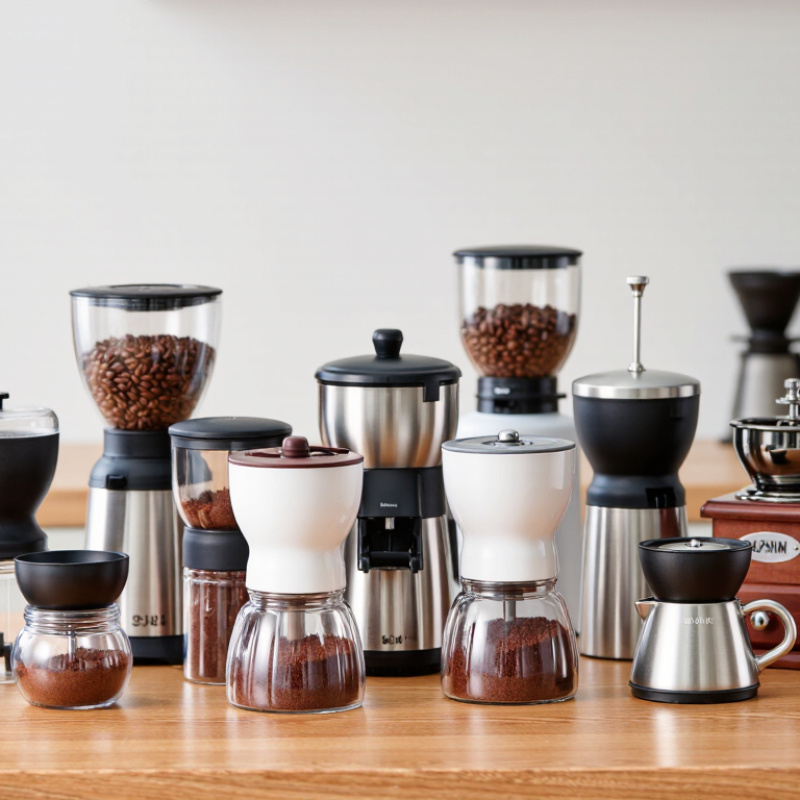
Coffee grinder performance is evaluated through measurable results, not attractive design alone. The main test is grind consistency. A reliable grinder produces particles within a controlled size range, supporting balanced extraction. Too many fine particles can create bitterness, while oversized pieces may leave coffee thin and underdeveloped.
Practical testing begins with a calibrated scale, a timer, and the same coffee dose. I compare grind speed, particle spread, and dose retention across several settings. Burr alignment matters because uneven contact can create inconsistent grounds. Heat also deserves attention. A warm grinding chamber may affect aroma during repeated use. Noise, adjustment accuracy, and cleaning effort influence daily performance for global buyers.
Repeatability is critical. A grinder should return similar results after several cycles, not only during one perfect test. I also inspect retained grounds by weighing the chamber before and after cleaning. Small differences can become waste over time. No test is perfect. Humidity, bean density, and user technique change the outcome. My own evaluations can improve by using more samples and longer trials. Still, clear records and identical brewing conditions make comparisons more trustworthy. A strong grinder feels predictable: the grounds look even, the dose stays close, and the cup responds clearly to small adjustments.
Choosing among the top-rated coffee grinders becomes easier when brewing method leads the decision. Each grinder type creates a different particle pattern, affecting taste, body, and extraction.
Blade grinders use spinning blades and suit basic drip coffee or occasional use. However, they often produce uneven particles. Some grounds look dusty, while others remain coarse.
Burr grinders crush beans between two surfaces and offer better control. Conical burr models usually work well for pour-over, French press, and espresso. Flat burr designs can provide more uniform grounds, especially for espresso preparation.
Manual grinders are compact and quiet, making them practical for travel or small kitchens. I have found them effective, though grinding for several cups can become tiring.
Tips: Match the grinder to your brew method. Use a coarse setting for French press, medium for drip coffee, and fine for espresso. Grind immediately before brewing. Measure beans with a scale when possible. Clean trapped grounds regularly. Small changes matter.
No grinder performs perfectly. Even a premium design may need adjustment for humidity, bean freshness, and roast level. A practical buyer should test several settings and record the results. For pour-over, a steady grind and careful pouring usually matter more than expensive features. For espresso, fine adjustment is essential, but beginners may need patience. Taste remains the final judge.
The best-rated coffee grinders should perform consistently across different beans, climates, and brewing methods. The International Coffee Organization reported global coffee consumption near 177.9 million 60-kilogram bags in 2023/24. That demand reflects a broad market, not one universal preference. A compact grinder may suit a small apartment, while a café needs stronger heat control and faster output.
For this top ten selection, I would examine grind consistency, adjustment range, burr durability, noise, retention, and cleaning access. These details matter more than impressive marketing language.
The National Coffee Association reported that 67% of U.S. adults drank coffee within the past day in 2024.
However, that figure does not represent every country. Global buyers should also consider voltage compatibility, replacement parts, warranty coverage, and local service support.
Fine control is essential for espresso, while stable coarse settings support French press and filter brewing. Ceramic burrs can resist corrosion, but hardened steel often delivers practical durability. Neither option is perfect.
I have found that a grinder with simple calibration may outperform a feature-rich model with confusing controls. Static can scatter grounds across a counter. A dosing cup and low-retention design reduce that daily frustration.
Buyers should read independent testing, compare measured particle consistency, and check regional electrical standards before purchasing. Sources: International Coffee Organization, Coffee Report and Outlook; National Coffee Association, National Coffee Data Trends, Spring 2024.
A top-ten coffee grinder list should compare more than star ratings. Grind quality comes first. We assessed particle uniformity, fine-dust levels, retention, adjustment range, and heat during repeated use. Burr alignment matters, yet it is often ignored in online reviews. Espresso needs narrow, repeatable settings. Pour-over users may prefer wider control and cleaner separation. Our ranking is not perfectly universal. Brewing method, roast level, and user skill can change the result.
Feature value also affects global buying decisions. Timers, anti-static designs, removable burrs, and low-noise motors improve daily use. However, extra settings do not guarantee better coffee. The Specialty Coffee Association stresses repeatable brewing variables, including grind size and dose. The National Coffee Association’s 2024 report found that 67% of American adults drank coffee during the previous day. This supports strong demand, but availability differs widely. Buyers should check voltage, plug standards, shipping time, local service, and replacement-burr access. The International Coffee Organization’s market reports also show continuing volatility in coffee prices, which makes total ownership cost more important.
Tips: Compare the same coffee and recipe across all ten grinders. Weigh the dose before grinding. Record brew time and taste notes. Check retention after two consecutive doses. A lower-priced model may win for filter coffee, while a costlier option may justify itself through stable espresso performance. One weakness remains: published specifications rarely reveal long-term burr wear. Independent testing is still necessary.
For global buyers, choosing a coffee grinder requires more than counting speed settings. USDA’s Coffee: World Markets and Trade report projects global coffee consumption at about 170.3 million 60-kilogram bags in 2024/25. That scale reflects daily demand for consistent preparation. Choose burrs that produce an even particle size, because the Specialty Coffee Association identifies grind distribution as a major brewing control. Match the grinder to your method, dose, voltage, and available counter space.
Check adjustment accuracy before chasing extra features. Espresso usually needs fine, repeatable control, while French press requires a coarser range. A stable motor, low heat, and a removable chamber can improve daily use. I prefer testing the adjustment dial with the same beans for several days. Numbers alone can mislead. They often do.
Maintenance protects consistency. Brush loose grounds after each session, and empty the hopper before storage. Once a week, inspect the burr area for oily buildup, depending on roast level and usage. Use manufacturer-approved cleaning products, not water near electrical parts. The SCA’s brewing guidance emphasizes repeatable variables, yet home routines are rarely perfect. I sometimes clean too late. That mistake changes the aroma noticeably. Replace worn burrs when grinding becomes slower, noisier, or visibly uneven. Keep a simple log of dose, setting, and brew time. It turns guesswork into evidence.