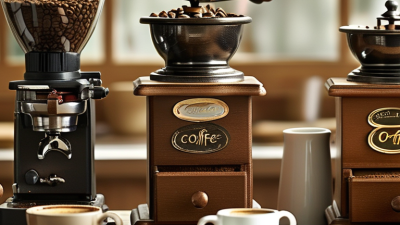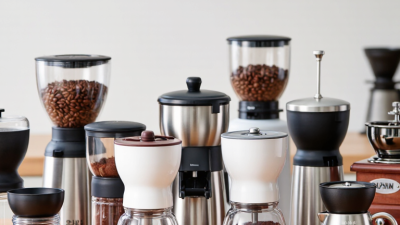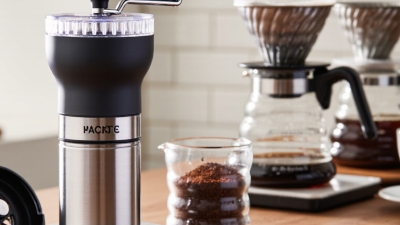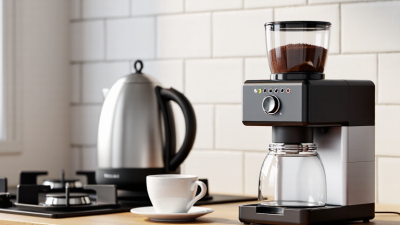
Choosing Top Rated Coffee Grinders is less about chasing the highest score and more about matching a grinder to your brewing routine. A machine that excels for espresso may be inconvenient for French press, while a compact model may suit a small kitchen better than a bulky, feature-packed design. The useful questions are practical: Does it grind consistently? Can you adjust it easily? Will it fit your counter and budget?
Coffee educator and author James Hoffmann has often offered this memorable brewing suggestion: “I think you’re going to have to grind finer.” It is a reminder that grind size matters, and that easy, repeatable adjustment can make a grinder more useful. For this guide, we’ll look at burr design, grind settings, retention, noise, cleaning, and overall value. We’ll also distinguish features that affect daily brewing from extras that may look impressive but add little for your needs.
Small details matter. A clinging layer of grounds around the chute can slow a rushed morning; a hard-to-turn adjustment ring can frustrate frequent recipe changes. Still, no ranking can predict whether a grinder’s sound will bother you at 6 a.m. Ratings are helpful, not final. The best choice depends on your coffee style, available space, and willingness to clean the machine. A shortlist can be imperfect, too. Use it as a starting point, then compare specifications and credible owner feedback before buying.
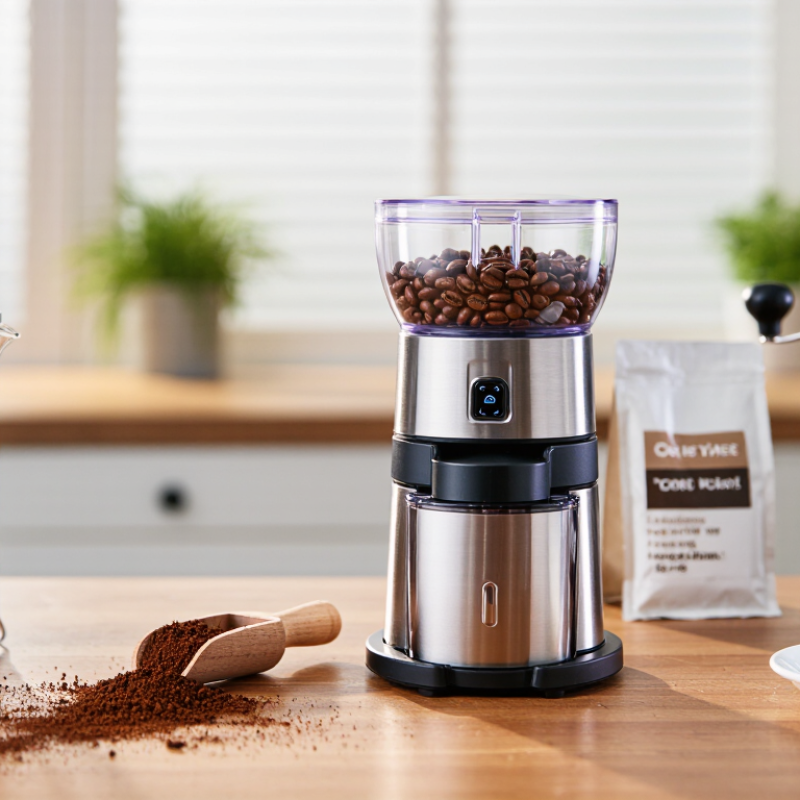
Coffee grinders generally fall into two categories: blade and burr. A blade grinder chops beans with a spinning metal blade, much like a small food chopper. Its low price and compact size suit occasional brewing, but particle sizes can vary widely. You may find fine dust beside coarse fragments in the same cup. It is imperfect.
Burr grinders crush beans between two abrasive surfaces, usually creating a more even range of particles. That consistency helps water flow more predictably, especially with pour-over or espresso. Flat burrs use parallel discs; conical burrs use a cone and surrounding ring. Both can perform well, though alignment, burr quality, and adjustment range matter more than shape alone. Taste the difference.
Manual grinders use a hand crank, while electric models use a motor; either can use burrs. Manual models are quieter and travel easily, but grinding several doses takes effort. Electric grinders save time, though some create more noise or retain grounds inside. Check whether the grind settings are clear and repeatable. For a practical comparison, grind the same beans at similar settings and check how evenly the particles look. A little variation is normal.
A top-rated coffee grinder is not automatically the right grinder for your brewing method. For pour-over, look for consistent medium-to-coarse settings and clear adjustment steps. Even particles help water flow evenly through the grounds, reducing sharp or weak flavors. A wide adjustment range is useful if you switch between a drip machine and a French press. That matters.
Espresso needs finer, precise adjustments because small changes can noticeably affect extraction time and taste. Choose a grinder with stable settings and enough control to make gradual changes. For a blade brewer or basic drip machine, simpler controls may be sufficient; paying extra for espresso-level precision may not improve your cup.
Consider the details you will handle every morning. A removable grounds cup is easier to clean, while low retention means less stale coffee remains inside after grinding. Static can scatter grounds across a counter. Not ideal. If possible, compare the grinder’s adjustment range with your brewer’s needs, rather than relying on ratings alone. There is no perfect setting chart: beans, roast level, and water can all shift the result. Change one variable at a time, taste the coffee, and keep notes—even a brief note can save guesswork tomorrow.
A top-rated coffee grinder should suit your brewing routine, not just look impressive on a counter. Burr grinders crush beans between shaped surfaces, generally producing more even particles than blade grinders. Flat burrs can emphasize uniformity, while conical burrs are often quieter and work well across different settings. These are tendencies, not guarantees; burr alignment and build quality matter too. Small details count.
Check how many grind settings the grinder offers, but don’t choose by the number alone. A useful range should cover your usual methods, from coarse French press grounds to fine espresso grounds. Adjustments should feel clear and repeatable. If one click changes the grind dramatically, dialing in a recipe can be frustrating. Consistency matters just as much: uneven particles can make some coffee taste bitter while other parts seem weak. A simple test is to grind the same dose twice and compare the grounds by sight and feel. It is not a lab measurement, but it can reveal obvious variation.
Tips: Start with a middle setting, then adjust one step at a time. Taste before tweaking. Keep beans and dose constant while comparing results, and note that a little static or leftover coffee can affect what you see.
When comparing top rated coffee grinders, look beyond a heavy body or polished finish. Check how the hopper locks in, whether the grounds container sits firmly, and if the adjustment ring moves without slipping. A grinder that wobbles on the counter can make daily use irritating, even if its parts look sturdy. Small details matter.
Try the controls before buying, if possible. Can you change settings without consulting a manual every time? Are the markings easy to read in dim morning light? A removable hopper and accessible burr area can make cleaning simpler, while a narrow chute may trap oily grounds. You should be able to brush away residue without awkward tools or forcing parts apart. Not glamorous, but useful.
Maintenance needs to fit your routine. Read the care instructions and check whether common wear parts can be replaced. Some grinders need frequent brushing; others tolerate longer gaps, though stale grounds can still affect flavor. I used to treat a smooth adjustment dial as proof of quality. That was too simple: ease of movement says little about long-term durability. Listen for rattling, inspect seams for trapped grounds, and consider whether the cleaning steps feel realistic on a busy weekday. If maintenance seems fussy in the store, it may feel worse at home.
| Assessment Dimension | What to Check | Signs of a Strong Choice | Questions to Ask Before Buying |
|---|---|---|---|
| Burr Design and Grind Consistency | Check whether the grinder uses burrs or blades and whether its settings suit your brewing methods. Burr grinders generally offer more control over particle size than blade grinders. | Clear grind settings and a consistent output suited to your brewing method. Flat and conical burrs can both work well; neither type is automatically better for every user. | Can it grind fine enough for espresso, or coarse enough for French press? Are replacement burrs available? |
| Build Quality | Inspect the housing, adjustment mechanism, hopper, grounds container, and moving parts. Look for secure assembly and durable materials in parts that are handled often. | Controls feel stable, parts fit securely, and the grinder does not wobble noticeably during normal operation. | Are commonly handled parts easy to remove and reattach? Does the manufacturer provide a warranty and service information? |
| Ease of Use | Consider how grind size is adjusted, how beans are loaded, and how grounds are collected. Check whether the controls and markings are easy to understand. | Settings are easy to select and repeat. A clear adjustment scale can help users return to a preferred setting. | Can you change settings without a complicated procedure? Is the hopper or grounds container convenient for your routine? |
| Adjustment Range | Match the grinder’s stated range to the brewing methods you use. Espresso usually needs fine, precise adjustment; immersion methods commonly use coarser settings. | The available range covers your intended brewing methods, with adjustments fine enough for dialing in your brew. | Does the adjustment system support small changes where your brewing method needs them? |
| Cleaning and Maintenance | Review the cleaning instructions and check how accessible the burr chamber and grounds path are. Coffee oils and particles can build up over time. | Routine cleaning is straightforward, and the manual clearly explains which parts can be removed and how to clean them. | Can the burr area be accessed safely? Are any parts dishwasher-safe, or must they be cleaned by hand? Follow the manufacturer’s instructions. |
| Capacity and Workflow | Compare hopper and grounds-container capacity with the amount of coffee you typically prepare. Consider whether you prefer grinding a dose at a time or storing beans in the hopper. | The capacity fits your routine without requiring frequent refills or leaving more beans exposed than you intend. | Will it handle your usual batch size? Is the container easy to empty without spilling? |
| Noise and Countertop Fit | Check product dimensions and, when possible, listen to the grinder operating. Noise varies by design, beans, and surroundings. | It fits the available counter space and its operating noise is acceptable for your household. | Will it fit beneath your cabinets? Can you test or hear it running before purchase? |
| Parts and Long-Term Support | Look for accessible manuals, replacement parts, warranty details, and guidance on servicing the grinder. | Care instructions and warranty terms are easy to find, and important wear parts can be replaced when needed. | What does the warranty cover, and how can you obtain replacement burrs or other service parts? |
A high rating can point you toward a good coffee grinder, but the number alone tells little. Check how many people reviewed it and when. A score based on hundreds of recent ratings is usually more informative than one based on a handful. Read the comments, too. Specific details, such as grounds scattered across a counter or a setting that drifts, are more useful than “works great.” That matters. Look for repeated complaints, not one dramatic outlier. Ratings can reflect expectations as much as performance.
Reliability becomes clearer through details about daily use. Look for reports on consistent grind size, easy cleaning, sturdy adjustment controls, and replacement-part availability. A grinder that works well for months may still be frustrating if its catch container is awkward to remove. Check the warranty terms and whether repairs seem practical. A low purchase price can be misleading. Consider how often you brew, whether you need espresso-fine grounds, and the cost of upkeep. Not always. I may be too cautious about small rating differences; a few tenths of a point rarely settle the choice. Compare models in the same price range, then weigh useful features against the space they take up and the noise they make.
How to read this chart: These approximate U.S. retail price ranges vary by model and market. Compare grinders within the same type, then weigh user ratings alongside long-term reliability signals—such as warranty coverage and replacement-part availability. A higher price alone does not guarantee better value.